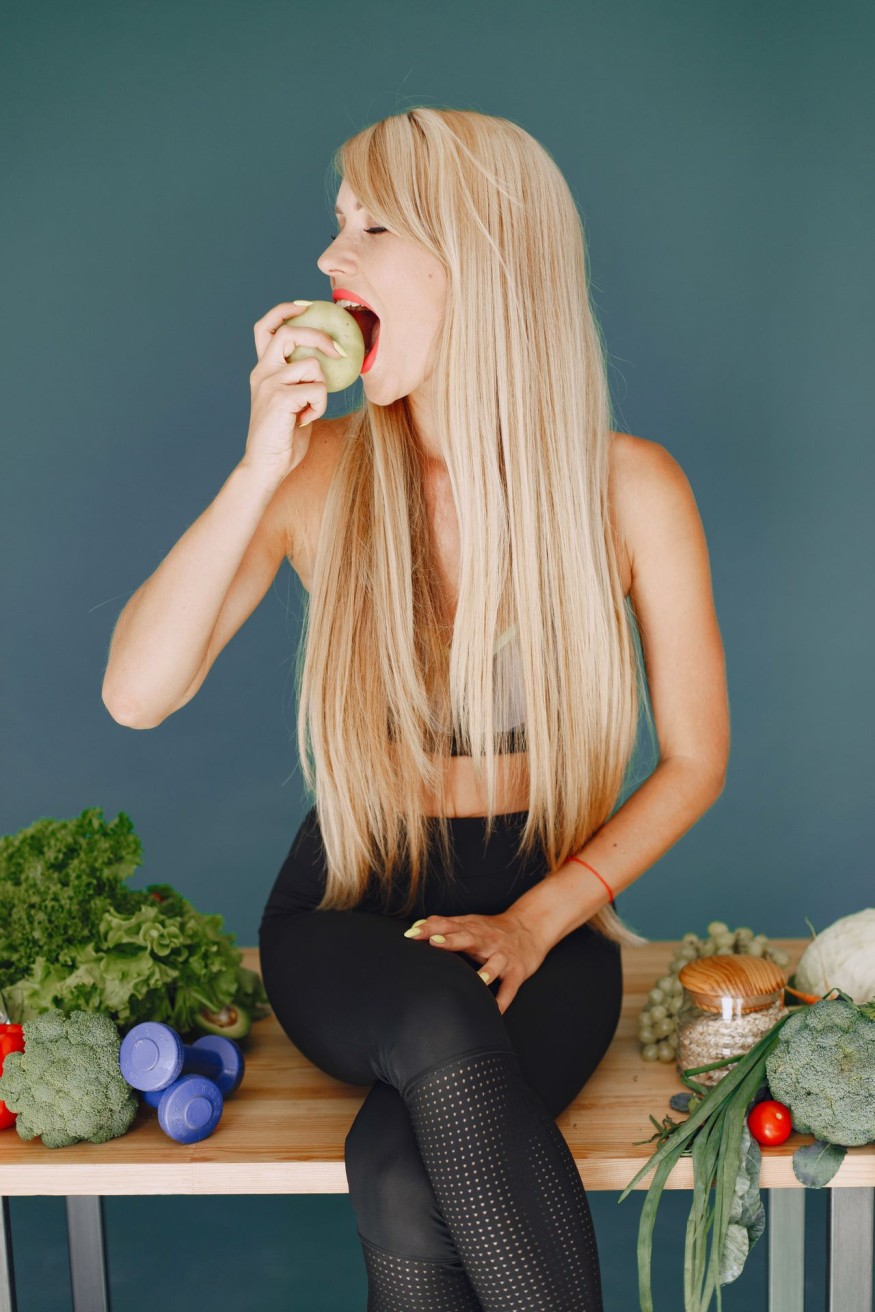
Beauty conversations increasingly extend beyond skincare products and hair treatments. Many consumers are paying closer attention to what they eat, recognizing that nutrition plays a meaningful role in appearance and overall wellness. As interest in beauty nutrition continues to grow, experts are exploring how dietary choices may influence everything from skin hydration to hair strength.
While no single food can transform hair or skin overnight, emerging nutrition trends highlight the importance of a balanced approach. Understanding these developments can help beauty enthusiasts make informed choices that support both a healthy skin diet and long-term hair health.
The Link Between Nutrition, Hair Health, and Skin Appearance
Hair and skin are among the body's most visible indicators of nutritional status. They rely on a steady supply of vitamins, minerals, proteins, and healthy fats to maintain normal function.
Skin acts as a protective barrier and requires nutrients to support renewal and hydration. Hair follicles, meanwhile, depend on adequate nourishment to sustain healthy growth cycles. When nutritional needs are not met, changes such as dullness, dryness, or brittle hair may become more noticeable.
This connection has helped fuel the popularity of beauty nutrition, a wellness approach that focuses on supporting appearance through dietary habits.
Read more: Hair Washing Frequency Explained: Experts Share Haircare Tips for Better Scalp Health & Balance
High Protein Diets Continue to Gain Attention
Protein remains one of the most important nutrients for hair health because hair strands are primarily made of keratin, a structural protein.
People interested in supporting stronger hair often prioritize protein-rich foods such as:
- Eggs
- Fish
- Poultry
- Greek yogurt
- Lentils
- Beans
- Tofu
Beyond hair health, protein also contributes to tissue repair throughout the body, including the skin. Incorporating a variety of protein sources can help support overall beauty goals while maintaining a balanced diet.
Collagen Focused Nutrition Trends
Collagen supplements, powders, and beverages have become increasingly common in the beauty market. Interest in collagen stems from its role as a structural component of the skin.
Although research continues to evolve, many consumers are incorporating foods that naturally support collagen production.
Common choices include:
- Citrus fruits rich in vitamin C
- Berries
- Leafy greens
- Bone broth
- Lean protein sources
Rather than relying solely on supplements, many nutrition experts encourage obtaining supportive nutrients from a diverse range of whole foods.
Anti-Inflammatory Eating for a Healthy Skin Diet
Inflammation is often discussed in relation to skin concerns such as redness, irritation, and uneven texture. This has led to growing interest in anti-inflammatory dietary patterns.
Foods frequently associated with this trend include:
- Fatty fish
- Colorful vegetables
- Nuts and seeds
- Olive oil
- Green tea
- Fresh fruits
These foods provide antioxidants and beneficial compounds that may help support overall skin wellness. A healthy skin diet centered on nutrient-dense ingredients can also contribute to broader health benefits beyond appearance.
Why Gut Health Is Becoming Part of Beauty Nutrition
The relationship between digestive wellness and skin appearance has become a major area of interest. Researchers continue to investigate the connection between the gut microbiome and various skin conditions.
As a result, consumers are increasingly incorporating foods that support digestive health.
Popular options include:
- Yogurt with live cultures
- Kefir
- Kimchi
- Sauerkraut
- Fiber-rich fruits
- Whole grains
- Legumes
A healthy digestive system may help support nutrient absorption, which is an important factor in both skin and hair health.
Plant Based Eating and Beauty Benefits
Plant-based diets remain a significant nutrition trend due to their emphasis on fruits, vegetables, legumes, nuts, and seeds.
Many of these foods provide nutrients associated with skin and hair support, including antioxidants, vitamins, and minerals. A plant-focused eating pattern may also increase intake of compounds that help protect the skin from environmental stressors.
However, careful planning remains important. Individuals following plant-based diets should pay attention to nutrients such as:
- Iron
- Zinc
- Vitamin B12
- Omega-3 fatty acids
Maintaining nutritional balance helps ensure that beauty and wellness goals remain aligned.
Omega-3 Fatty Acids and Skin Hydration
Healthy fats continue to receive attention within beauty nutrition discussions. Omega-3 fatty acids are especially valued because they help support the skin's natural barrier.
Common dietary sources include:
- Salmon
- Sardines
- Mackerel
- Chia seeds
- Flaxseeds
- Walnuts
Including these foods as part of a healthy skin diet may help support skin comfort and maintain a smoother appearance.
Personalized Nutrition Enters the Beauty Space
Advances in technology are encouraging a more individualized approach to nutrition. Personalized nutrition plans may incorporate factors such as lifestyle habits, dietary preferences, and wellness goals.
For beauty enthusiasts, this trend reflects a shift away from one-size-fits-all recommendations. Instead, nutritional strategies are increasingly tailored to individual needs.
While personalized nutrition continues to evolve, its growing popularity highlights the increasing connection between wellness and beauty.
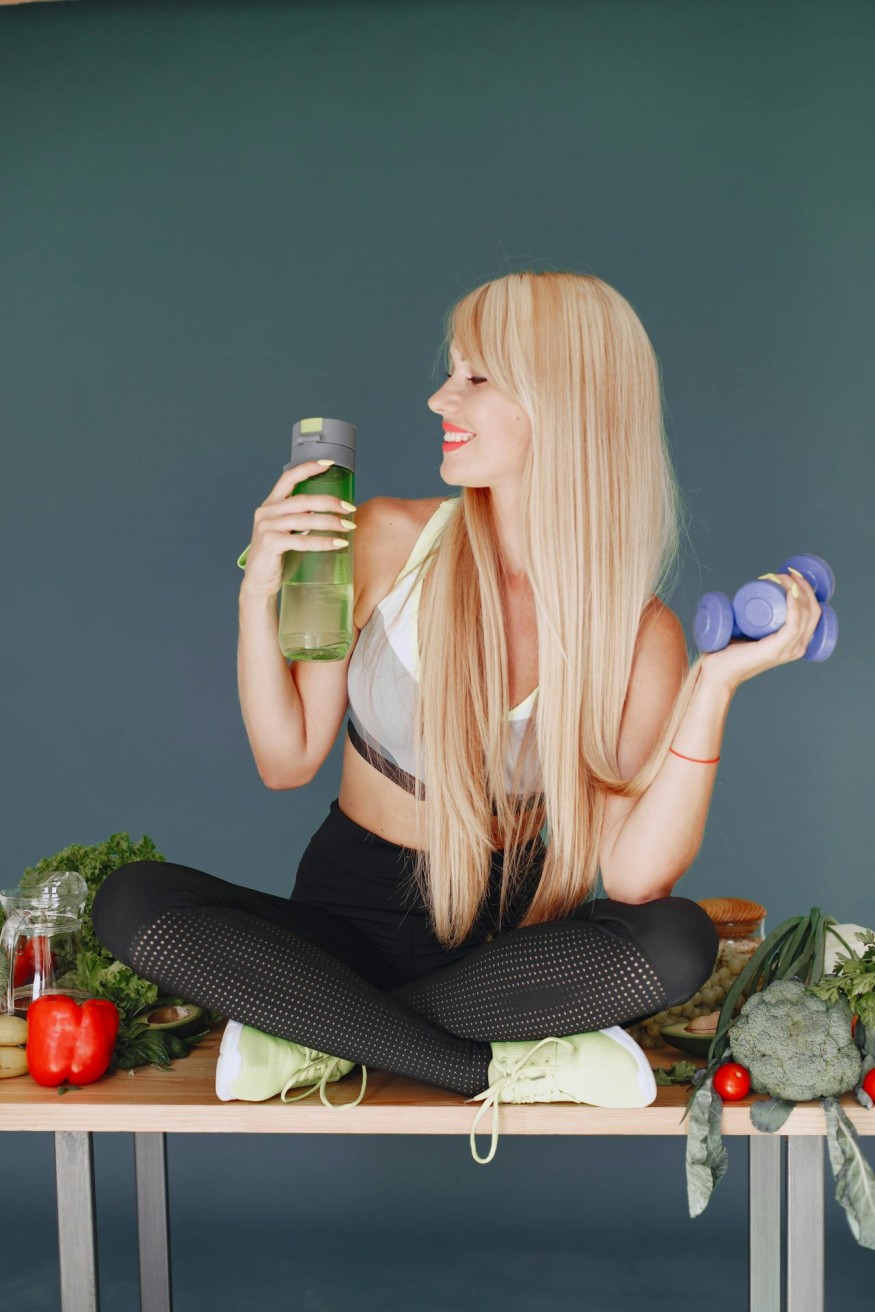
Functional Foods and Beauty Supporting Ingredients
Another emerging trend involves functional foods designed to provide benefits beyond basic nutrition. These products often feature ingredients that appeal to beauty-conscious consumers.
Examples include:
- Adaptogenic herbs
- Mushroom blends
- Antioxidant-rich beverages
- Fortified wellness drinks
- Nutrient-enhanced snacks
Although these products attract considerable attention, experts generally recommend viewing them as additions to a balanced diet rather than replacements for nutritious meals.
Hydration Remains a Beauty Essential
Nutrition trends often change, but hydration continues to play a central role in skin wellness.
Water helps support many bodily functions, including those related to skin appearance. In addition to drinking fluids, consumers are increasingly choosing foods with naturally high water content.
Hydrating foods include:
- Cucumbers
- Watermelon
- Strawberries
- Celery
- Oranges
Combining proper hydration with nutrient-rich foods creates a strong foundation for a healthy skin diet.
Nutrition Trends Shaping the Future of Hair and Skin Health
As beauty nutrition continues to evolve, the focus is moving toward long-term wellness rather than quick fixes. Trends such as gut health support, anti-inflammatory eating, collagen-friendly foods, personalized nutrition, and functional ingredients reflect a broader understanding of how dietary habits may influence appearance.
Supporting hair health and maintaining a healthy skin diet often comes down to consistency. Nutrient-dense foods, balanced meals, and sustainable habits remain some of the most effective tools for promoting healthy-looking skin and stronger hair over time.
Frequently Asked Questions
1. What is beauty nutrition?
Beauty nutrition refers to dietary habits and nutrient choices that support the appearance and health of skin, hair, and nails while contributing to overall wellness.
2. Which foods are best for hair health?
Protein-rich foods, omega-3 sources, leafy greens, eggs, legumes, and nutrient-dense fruits and vegetables are commonly associated with supporting hair health.
3. What does a healthy skin diet include?
A healthy skin diet typically includes fruits, vegetables, healthy fats, lean proteins, whole grains, and adequate hydration to help support normal skin function.
4. Can nutrition improve both skin and hair at the same time?
Because many nutrients contribute to multiple bodily functions, balanced nutrition can support both skin wellness and hair health simultaneously as part of an overall healthy lifestyle.