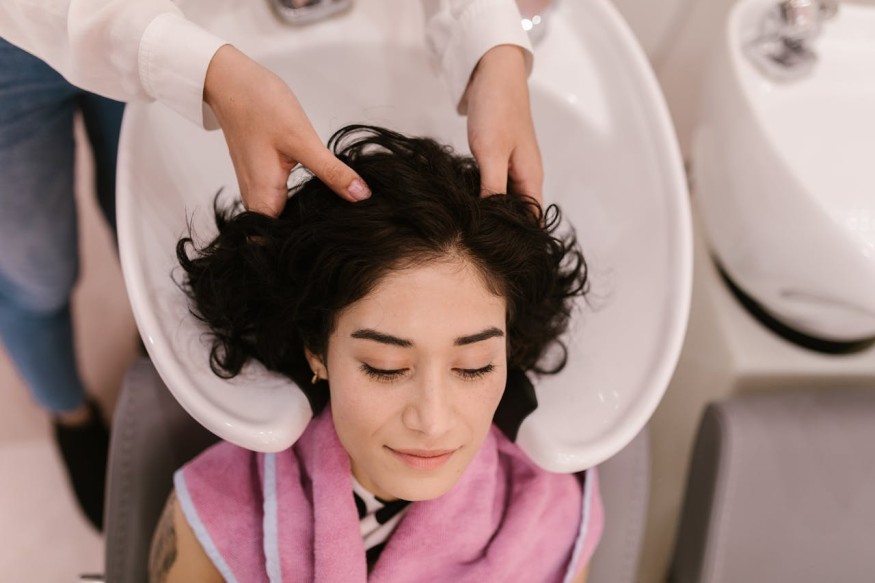
Most people spend a significant amount of time and money on shampoos, conditioners, and hair masks, yet overlook the one factor that determines hair quality before a single strand even forms. The scalp is the foundation of every healthy hair care routine, and when it is out of balance, no styling product in the world can fully compensate.
Dermatologists have been pointing to scalp health as the starting point for stronger, shinier, and more resilient hair for years. The concept of scalp skinification, treating the scalp with the same care and attention given to facial skin, has moved from niche dermatology advice into mainstream beauty conversation. A consistent scalp care routine, paired with the right healthy scalp tips, is the upgrade most routines are missing.
Why Does a Scalp Care Routine Matter for Hair Health?
Hair grows from follicles embedded in the scalp, which means the condition of that skin directly affects the quality of every strand produced. A scalp that is clogged with product buildup, inflamed from harsh cleansers, or stripped of its natural oils creates an environment where follicles cannot function at their best.
Common hair complaints such as dullness, breakage, slower growth, and excessive shedding often trace back to scalp imbalance rather than the hair itself. Addressing the root cause, literally, tends to produce more lasting results than switching conditioners or adding a hair mask. Building a dedicated scalp care routine is one of the most impactful hair care tips available for anyone dealing with persistent hair concerns.
What Are the Signs of an Unhealthy Scalp?
Knowing what to look and feel for is the first step in any scalp care routine. The most common warning signs that the scalp needs attention include:
- Persistent flaking or dandruff, which may indicate dryness, fungal overgrowth, or seborrheic dermatitis
- Itching, tightness, or visible redness that does not resolve after washing
- Excess oiliness or greasiness that returns quickly between washes
- Noticeable hair shedding or thinning at the roots
- Product buildup that leaves hair feeling heavy or coated even after cleansing
It is worth noting that dry scalp and dandruff are often confused but have different causes. Dry scalp results from insufficient moisture, while dandruff typically involves a yeast-related imbalance and requires a targeted approach. Symptoms that are persistent, worsening, or accompanied by significant hair loss are best assessed by a board-certified dermatologist.
How Often Should You Wash Your Scalp?
Wash frequency is one of the most debated hair care tips, and the honest answer is that it depends on hair type, scalp type, and lifestyle. There is no universal rule that works for everyone. A general guide by hair and scalp type:
- Fine or oily hair: washing every one to two days helps manage sebum buildup without allowing the scalp to become congested
- Normal hair: every two to three days maintains a healthy balance without over-stripping
- Thick, coily, or curly hair: once or twice a week is generally sufficient, as natural oils take longer to travel down the hair shaft
- Chemically treated or color-treated hair: less frequent washing protects the hair from dryness and color fade
What Is the Best Scalp Care Routine to Follow?
A simple, structured scalp care routine works for most hair types and does not require an overwhelming number of products. The following five steps cover the essentials:
- Exfoliate once a week: use a scalp scrub or exfoliating shampoo with salicylic acid to remove dead skin cells, product buildup, and excess sebum that clogs follicles
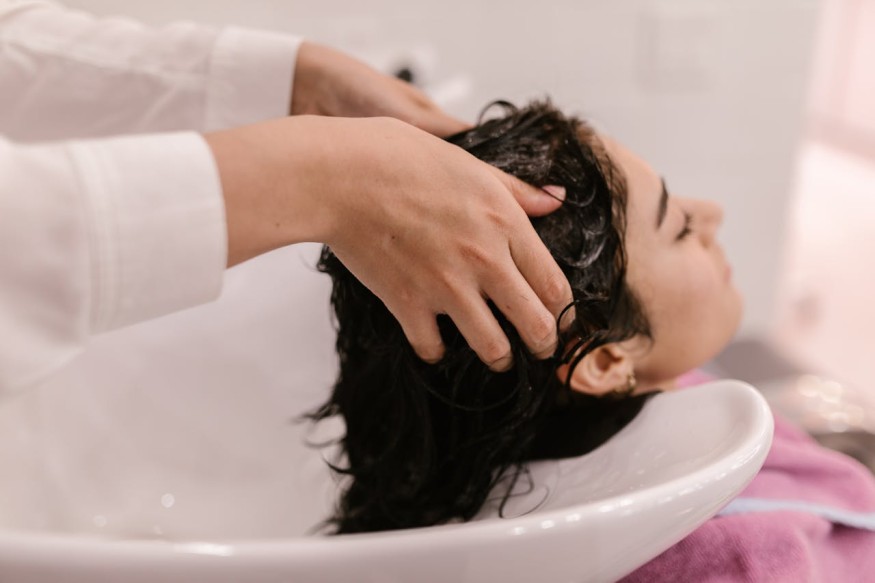
- Cleanse thoroughly: apply shampoo directly to the scalp and massage in gentle circular motions using fingertip pads, not nails, to stimulate circulation without causing irritation
- Treat with a targeted serum or oil: ingredients like niacinamide, rosemary oil, caffeine, or biotin can be applied directly to the scalp to address specific concerns such as dryness, sensitivity, or thinning
- Condition from mid-lengths to ends only: keeping conditioner off the scalp prevents the buildup that leads to greasiness and congested follicles
- Rinse thoroughly: any residue left on the scalp can clog follicles over time, so a complete rinse is a non-negotiable final step
What Ingredients Should You Look for in Scalp Care Products?
Ingredient awareness is one of the most overlooked hair care tips when it comes to scalp health. Choosing the right actives for a specific scalp concern makes a meaningful difference in results. Key ingredients to look for include:
- Salicylic acid: exfoliates dead skin and breaks down product buildup without disrupting the scalp barrier
- Zinc pyrithione: widely used in anti-dandruff formulations, it targets the yeast that contributes to flaking and irritation
- Niacinamide: calms scalp inflammation and helps strengthen the skin barrier
- Rosemary oil: supports blood circulation in the scalp and has been studied for its potential role in promoting hair growth
- Biotin and caffeine: commonly found in growth-focused scalp serums, these energize follicles and support the hair growth cycle
- Tea tree oil: antimicrobial and soothing for itchy or sensitive scalps
Does Scalp Massage Help Hair Growth?
Scalp massage has genuine science behind it. Regular massage increases blood circulation to the hair follicles, which improves nutrient and oxygen delivery to the areas where hair growth originates. Some research has suggested that consistent scalp massage may also contribute to increased hair thickness over time.
Beyond circulation benefits, massage helps loosen dead skin cells and distribute natural oils more evenly along the hair shaft. Practically, three to five minutes of circular motion with fingertip pads during shampooing is enough to see a benefit. Silicone scalp massage brushes have become a popular and affordable addition to any scalp care routine, offering a hands-free way to work through the scalp while cleansing.
The Scalp Care Routine and Healthy Scalp Tips That Set the Foundation for Better Hair
A well-built scalp care routine is the most overlooked upgrade in most people's hair care tips arsenal. The scalp responds to consistency: regular exfoliation, gentle cleansing, targeted treatment, and the right ingredient choices accumulate into real, visible results over time.
Healthy scalp tips extend beyond the shower as well. Diet, hydration, stress levels, sun exposure, and clean tools all play a supporting role in keeping the scalp environment balanced and follicles functioning at their best. No single product delivers dramatic results in isolation. The approach that works is a steady, informed routine applied with patience.
Frequently Asked Questions
1. How do I start a scalp care routine if I have never had one before?
Starting a scalp care routine does not require an entirely new product lineup. The most accessible entry point is adding a weekly scalp exfoliant to an existing wash routine, followed by applying shampoo with a gentle massage technique. From there, a targeted serum or scalp oil can be introduced based on specific concerns such as dryness, oiliness, or thinning.
2. What are the best healthy scalp tips for people with oily hair?
For oily scalps, the most effective healthy scalp tips include washing more frequently with a clarifying or balancing shampoo, using a weekly salicylic acid exfoliant to prevent buildup, applying conditioner only to the ends, and avoiding heavy oils or thick serums directly on the scalp. Rinsing thoroughly after every wash also helps manage excess sebum.
3. Can a scalp care routine help with hair thinning?
A consistent scalp care routine can support a healthy follicle environment, which may help slow hair thinning related to buildup, inflammation, or poor circulation. Ingredients like rosemary oil, caffeine, and biotin are commonly used in thinning-focused products. However, hair loss with a medical cause requires professional evaluation, as no topical routine replaces a dermatologist's assessment.