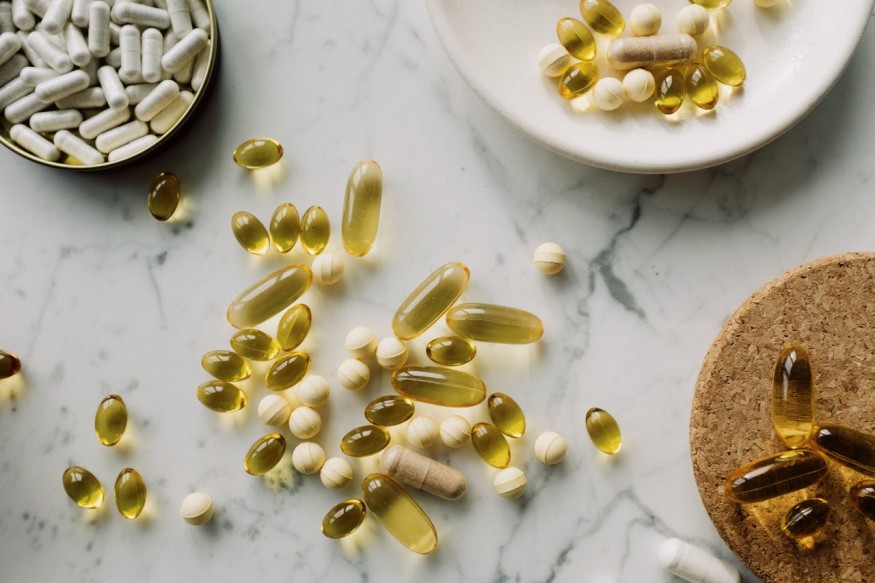
Collagen drinks and supplements have become a prominent part of the global wellness conversation, especially among consumers interested in improving skin appearance and slowing visible signs of aging. Marketed as an easy way to support skin healthand promote beauty from within, these products promise firmer, smoother, and more youthful-looking skin. But how effective are collagen supplements, and what does science actually say?
This article explores how collagen works in the body, what research reveals about collagen supplementation, and whether these products live up to their claims.
What Is Collagen and Why Is It Important?
Collagen is the most abundant protein in the human body. It plays a structural role in skin, bones, joints, muscles, and connective tissues. In the skin, collagen contributes to firmness, elasticity, and hydration. However, natural collagen production declines with age, beginning as early as the mid-20s. Environmental factors such as sun exposure, smoking, stress, and poor nutrition can accelerate this process.
As collagen levels decrease, the skin may begin to lose elasticity, resulting in fine lines, wrinkles, and dryness. This natural decline has fueled interest in collagen supplements as a potential way to replenish what the body loses over time.
What Are Collagen Drinks and Supplements?
Collagen supplements typically come in powdered, capsule, tablet, or liquid form. Most products contain hydrolyzed collagen, also known as collagen peptides, which are broken down into smaller amino acids to improve digestion and absorption.
Collagen drinks are a subcategory of supplements, often blended with vitamins, minerals, or antioxidants and marketed as more convenient or faster-absorbing than powders or pills. These products are commonly positioned within the "beauty from within trend," which emphasizes nourishing the body internally to improve outward appearance.
How Does the Body Process Collagen Supplements?
A common misconception is that ingested collagen travels directly to the skin. In reality, collagen supplements are broken down in the digestive system into individual amino acids and short peptides. These components are then absorbed into the bloodstream and used where the body needs protein most.
Rather than directly "replacing" skin collagen, supplements may provide the building blocks the body uses to support collagen production. This distinction is important when evaluating claims about collagen's effectiveness for skin health.
What Does Research Say About Collagen Supplements?
Scientific interest in collagen supplements has grown over the past decade. Several small-scale studies suggest that consistent collagen supplementation may offer modest improvements in skin elasticity, hydration, and wrinkle depth, particularly when taken over a period of 8 to 12 weeks.
Some research indicates that collagen peptides may stimulate the body's own collagen production by activating fibroblasts, the cells responsible for producing collagen in the skin. Other studies show potential benefits when collagen is combined with vitamin C, zinc, or hyaluronic acid. These nutrients are known to support skin structure and hydration.
However, experts also note limitations. Many studies are funded by supplement manufacturers, involve small sample sizes, or rely on subjective assessments. While findings are promising, they do not conclusively prove that collagen supplements work for everyone or that results will be dramatic.

Collagen Supplements and Skin Health: Realistic Benefits
When evaluating collagen supplements, it is important to manage expectations. Most dermatologists agree that collagen supplements are not a replacement for medical treatments or proven skincare practices such as sun protection or prescription retinoids.
That said, collagen supplements may offer supportive benefits, including:
- Slight improvements in skin hydration and elasticity
- Reduced appearance of fine lines with long-term use
- Support for overall protein intake, especially in older adults
These effects are typically subtle and gradual rather than immediate or transformative.
Are Collagen Drinks Better Than Other Forms?
There is no strong scientific evidence suggesting that collagen drinks are superior to powders or capsules. All forms are digested similarly once consumed. The choice often comes down to convenience, taste preference, and formulation.
Some collagen drinks include added ingredients like vitamin C, biotin, or antioxidants, which may enhance overall skin support. However, consumers should carefully review labels, as some drinks contain added sugars or flavorings that may not align with overall health goals.
The Role of Beauty From Within in Skin Health
The growing popularity of collagen supplements reflects a broader shift toward holistic wellness and beauty from within. This approach recognizes that skin health is influenced by multiple internal factors, including nutrition, hydration, sleep, stress management, and gut health.
Collagen supplements can play a supporting role in this framework, but they are most effective when combined with a balanced diet rich in protein, fruits, vegetables, and essential micronutrients. Lifestyle habits such as avoiding excessive sun exposure, maintaining hydration, and managing stress are equally important for long-term skin health.
Who May Benefit Most From Collagen Supplements?
Certain individuals may experience more noticeable benefits from collagen supplementation, including:
- Adults over 30 experiencing natural collagen decline
- Individuals with low dietary protein intake
- Those seeking preventive skin support rather than corrective treatment
People with allergies to fish, shellfish, or eggs should exercise caution, as many collagen products are derived from these sources.
Safety and Considerations
Collagen supplements are generally considered safe for healthy individuals when taken at recommended dosages. Side effects are uncommon but may include digestive discomfort or a feeling of fullness.
As with any supplement, collagen should not replace a nutrient-rich diet or medical advice. Consulting a healthcare professional is recommended for individuals who are pregnant, breastfeeding, or managing chronic health conditions.
Conclusion
Collagen drinks and supplements are not miracle solutions for aging skin, but they are not purely hype either. Current research suggests that collagen supplements may offer modest support for skin health, particularly when used consistently and as part of a broader beauty from within approach.
While results vary from person to person, collagen supplements may help support the body's natural collagen production over time. For best outcomes, they should be paired with a healthy lifestyle, balanced nutrition, and evidence-based skincare practices. As scientific research continues to evolve, collagen supplements remain a complementary tool in modern skin health routines.
Frequently Asked Questions
Do collagen supplements really improve skin health?
Collagen supplements may support skin hydration and elasticity over time, but effects are typically subtle. They work best as part of a holistic routine that includes proper nutrition, sun protection, and healthy lifestyle habits.
How long does it take to see results from collagen supplements?
Most studies suggest that potential skin-related benefits may appear after 8 to 12 weeks of consistent use, though individual results vary depending on age, diet, and overall health.
Are collagen drinks better than powders or capsules?
There is no strong evidence that collagen drinks are more effective. All forms are digested similarly, and effectiveness depends more on consistency, dosage, and overall nutritional support than format.