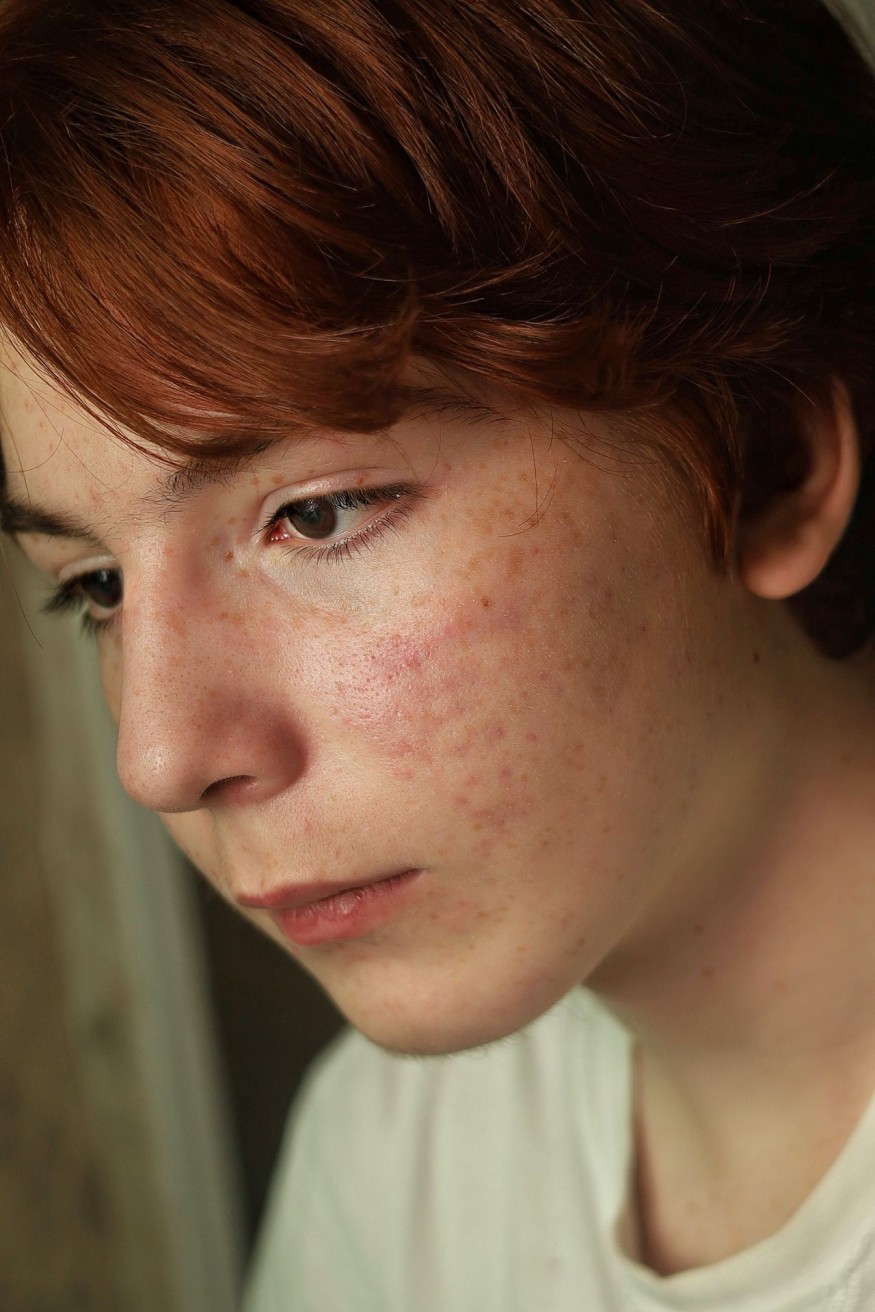
For years, acne dominated conversations in skincare clinics and beauty circles. Today, facial redness treatment has become one of the fastest-growing concerns among people seeking healthier, calmer skin. Persistent flushing, visible irritation, and sensitivity are now affecting individuals across different age groups, often leaving them searching for answers beyond breakouts.
Unlike acne, redness can be difficult to identify and even harder to manage without understanding the root cause. Dermatologists are seeing more patients dealing with inflammation linked to lifestyle habits, overactive skincare routines, and conditions like rosacea. As beauty trends continue to favor strong exfoliants and active ingredients, skin barrier damage is becoming increasingly common.
Understanding the connection between red skin causes and proper skincare habits can help prevent long-term irritation while improving overall skin comfort and appearance.
What Causes Facial Redness?
Facial redness develops when blood vessels near the surface of the skin become enlarged or irritated. In some cases, redness appears temporarily after exercise or heat exposure. For others, it becomes a chronic issue connected to inflammation or skin sensitivity.
Several common red skin causes include:
- Sun exposure without proper SPF protection
- Overuse of exfoliating acids and retinoids
- Harsh cleansers and alcohol-based skincare products
- Stress and emotional flushing
- Allergic reactions
- Wind, heat, and sudden weather changes
- Skin conditions such as rosacea or eczema
People with sensitive skin often notice redness after trying trending skincare products that promise rapid results. While active ingredients can be effective, layering too many products at once may weaken the skin barrier and trigger irritation.
Read more: Cryotherapy for Skin: Can Cold Therapy Benefits Really Reduce Skin Inflammation Long Term?
Why Dermatologists Are Seeing More Cases of Redness
Modern beauty culture plays a major role in the rise of redness-related skin concerns. Social media routines featuring strong exfoliation, daily acids, and intense resurfacing treatments have encouraged many people to overwork their skin.
Dermatologists frequently report signs of compromised skin barriers among patients who unknowingly combine too many active ingredients. This can leave skin reactive, dehydrated, and visibly inflamed.
Several factors are contributing to the growing demand for facial redness treatment:
- Increased use of retinol and exfoliating acids
- Environmental pollution and UV exposure
- Stress-related inflammation
- More awareness surrounding rosacea skincare
- Skin barrier damage from over-cleansing
Many people also mistake redness for acne or irritation that will eventually disappear on its own. Without proper care, inflammation can worsen and become more persistent over time.
Rosacea and the Link to Chronic Redness
Rosacea is one of the most common conditions associated with ongoing facial redness. It often affects the cheeks, nose, forehead, and chin, creating visible flushing that may intensify with certain triggers.
Unlike acne, rosacea usually involves sensitivity, burning sensations, and visible blood vessels rather than clogged pores alone. Some individuals also develop bumps that resemble acne breakouts, which can make diagnosis confusing.
Common rosacea triggers include:
- Spicy foods
- Alcohol
- Hot beverages
- Heat exposure
- Emotional stress
- Fragranced skincare products
A gentle rosacea skincare routine is often essential for managing flare-ups. Many dermatologists recommend avoiding aggressive treatments and focusing instead on calming ingredients that support the skin barrier.
Ingredients That Help Calm Facial Redness
When treating redness-prone skin, choosing soothing ingredients matters more than following complicated skincare trends. The goal is to reduce inflammation while protecting the skin from further irritation.
Several dermatologist-approved ingredients are commonly recommended for rosacea skincare and sensitive skin routines.
Soothing ingredients to look for
- Niacinamide for barrier support
- Ceramides to improve moisture retention
- Azelaic acid for redness and bumps
- Centella asiatica for calming irritation
- Colloidal oatmeal for sensitive skin relief
Ingredients that may worsen redness
- Strong physical scrubs
- High concentrations of alcohol
- Overuse of glycolic acid
- Fragrance-heavy products
- Excessive exfoliation
Consistency is often more important than using multiple treatment products at once. Simplifying a routine can help reduce irritation and improve skin comfort over time.
Popular Facial Redness Treatment Options
Treatment approaches vary depending on the underlying cause of redness. Some individuals only need lifestyle adjustments and skincare changes, while others benefit from professional dermatology treatments.
Common facial redness treatment methods include:
- Prescription anti-inflammatory creams
- Laser therapy for visible blood vessels
- Barrier-repair moisturizers
- Mineral sunscreens designed for sensitive skin
- Oral medications for rosacea management
Laser treatments have become especially popular for reducing persistent redness linked to broken capillaries and rosacea flare-ups. Dermatologists may also recommend avoiding known triggers to help minimize inflammation between treatments.
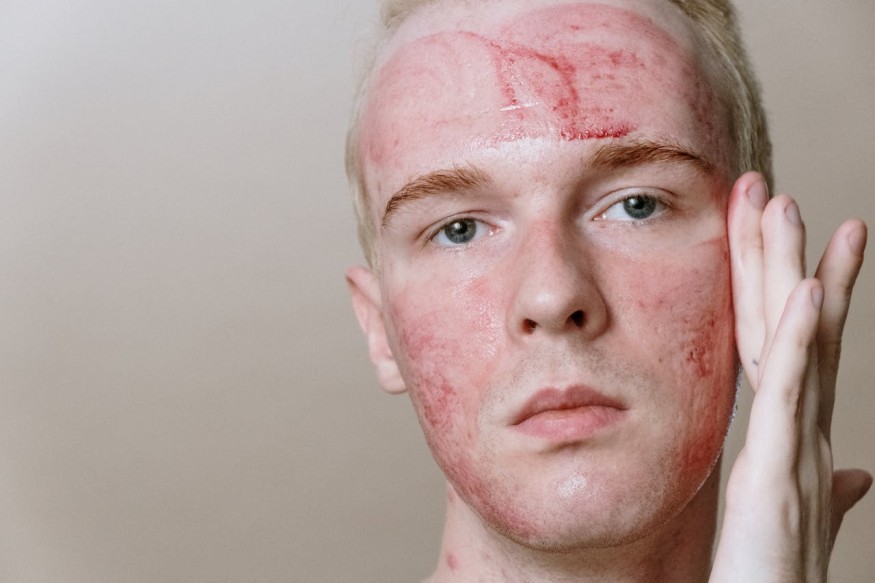
Building a Gentle Rosacea Skincare Routine
A calming skincare routine can make a significant difference for people dealing with chronic redness. Instead of chasing quick fixes, many experts encourage a balanced approach focused on hydration and barrier repair.
A simple rosacea skincare routine often includes:
- A fragrance-free gentle cleanser
- A hydrating moisturizer with ceramides
- Mineral sunscreen every morning
- Targeted calming treatments when needed
People with redness-prone skin should avoid washing with very hot water or using harsh cleansing tools. Even small habits can affect how reactive the skin becomes throughout the day.
Why Redness Is No Longer Seen as a Minor Skin Issue
Facial redness was once dismissed as temporary flushing or mild sensitivity. Today, dermatologists recognize that chronic redness can affect both skin health and emotional well-being. Persistent inflammation may cause discomfort, self-consciousness, and frustration, especially when symptoms become difficult to control.
As awareness surrounding rosacea skincare and skin barrier health continues to grow, more people are seeking professional guidance before irritation worsens. The shift reflects a broader understanding that healthy skin is not only about treating breakouts but also about maintaining calm, resilient skin over time.
Understanding Facial Redness and How to Care for Sensitive Skin
Facial redness can develop from many different triggers, including environmental stress, skincare habits, and inflammatory skin conditions. Recognizing common red skin causes early can help prevent irritation from becoming more severe. With gentle skincare, proper barrier support, and targeted facial redness treatment, many people can successfully manage visible redness while improving overall skin comfort.
Frequently Asked Questions
1. What is the most common cause of facial redness?
Common causes include rosacea, sun exposure, over-exfoliation, allergies, and skin barrier damage from harsh skincare products.
2. Can skincare products make redness worse?
Yes. Products with strong acids, alcohol, fragrance, or excessive exfoliating ingredients can irritate sensitive skin and increase redness.
3. What ingredients are best for rosacea skincare?
Dermatologists often recommend niacinamide, ceramides, azelaic acid, centella asiatica, and mineral sunscreen for calming redness-prone skin.
4. When should someone see a dermatologist for facial redness?
Persistent redness, burning, visible blood vessels, or recurring flare-ups should be evaluated by a dermatologist to determine the underlying cause and proper treatment.