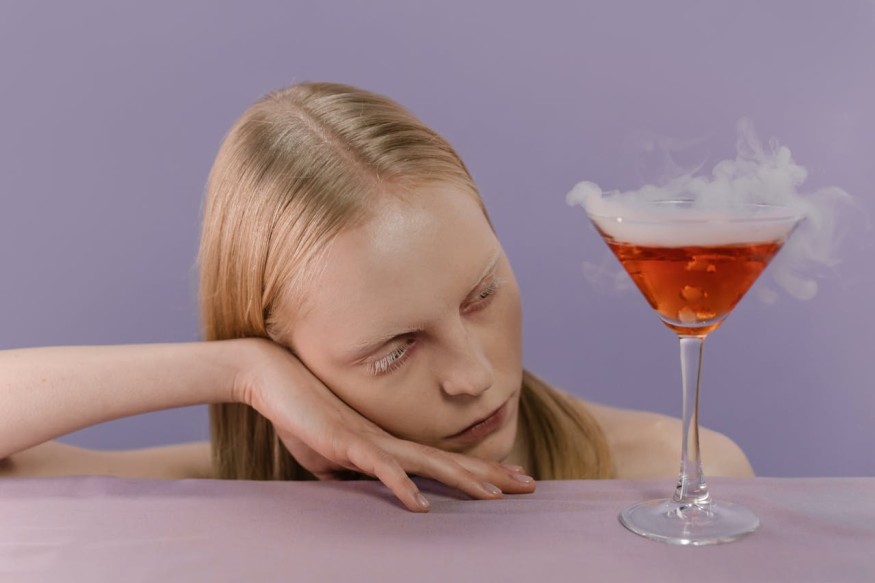
A glass of wine during dinner or cocktails during celebrations may feel harmless, but skin often tells a different story over time. The relationship between alcohol and skin health has become a growing topic in beauty and wellness spaces because visible changes can appear faster than expected. From temporary flushing and puffiness to dullness and premature wrinkles, the alcohol effects on skin can gradually become harder to ignore.
While occasional drinking may only trigger short lived reactions, frequent alcohol consumption can affect hydration, inflammation, collagen production, and the skin barrier itself. Understanding how alcohol interacts with the body helps explain why skin can look stressed, uneven, or older after repeated exposure.
Why Alcohol Changes the Way Skin Looks
Alcohol affects the body in several ways at once, which is why skin reactions can vary from person to person. One of the earliest visible signs is dehydration. Alcohol acts as a diuretic, causing the body to lose water more quickly. When the skin lacks moisture, it can appear dull, flaky, and tired.
At the same time, alcohol widens blood vessels near the skin's surface. This creates the flushed appearance many people notice after drinking. For some, that redness fades quickly. For others, repeated exposure can lead to persistent sensitivity and broken capillaries.
Common short term skin changes include:
- Facial flushing and redness
- Puffiness around the eyes
- Dry or rough texture
- Dull complexion
- Temporary breakouts
These effects may disappear after hydration and rest, but repeated drinking can create deeper changes within the skin structure.
Alcohol and Skin Inflammation
One of the most overlooked issues linked to drinking is alcohol and skin inflammation. Alcohol can trigger inflammatory responses throughout the body, and skin often reacts quickly because it is closely connected to circulation and immune activity.
Inflammation weakens the skin barrier, making it more reactive to external irritants. This can worsen existing conditions such as rosacea, eczema, or acne. Skin may feel more sensitive, itchy, or irritated after drinking, especially after consuming sugary cocktails or darker liquors.
Several factors contribute to inflammation caused by alcohol:
- Increased blood vessel dilation
- Histamine release
- Higher stress hormone activity
- Disrupted sleep quality
- Reduced nutrient absorption
When inflammation becomes chronic, skin recovery slows down. This can leave the complexion looking uneven and fatigued for longer periods.
Does Alcohol Cause Aging Skin?
The question "does alcohol cause aging skin" appears frequently in beauty discussions for a reason. Over time, alcohol can contribute to visible signs commonly associated with premature aging.
Collagen and elastin are two proteins responsible for keeping skin firm and smooth. Chronic dehydration and oxidative stress caused by alcohol may weaken these structural components. As collagen production declines, skin can lose elasticity and develop fine lines more easily.
Repeated alcohol exposure may also interfere with the skin's natural repair cycle. Since the body focuses on processing alcohol first, other restorative functions receive less attention. Poor sleep after drinking can make this worse because nighttime is when much of the skin's regeneration happens.
Long term signs linked to alcohol related aging may include:
- Fine lines around the eyes and mouth
- Sagging or loss of firmness
- Uneven skin tone
- Enlarged pores
- Rough texture
- Persistent puffiness
These changes tend to develop gradually, which is why they are often mistaken for normal aging alone.
How Alcohol Affects Collagen Production
Collagen breakdown is one of the most important beauty concerns connected to alcohol consumption. Collagen gives skin its plump, youthful appearance, but alcohol creates an environment that makes maintaining collagen more difficult.
Oxidative stress caused by alcohol increases free radical activity. Free radicals damage skin cells and weaken collagen fibers over time. At the same time, alcohol can deplete nutrients such as vitamin C, which plays an important role in collagen synthesis.
When collagen levels decline, skin may appear thinner and less resilient. Makeup may also sit differently on dehydrated or textured skin, making fine lines more noticeable.
Supporting collagen while drinking occasionally may involve:
- Drinking enough water before and after alcohol consumption
- Using skincare products with peptides or retinol
- Eating antioxidant rich foods
- Prioritizing sleep and recovery
While skincare can help support the skin barrier, long term habits still play the biggest role in maintaining firmness and elasticity.
Can Alcohol Trigger Acne and Breakouts?
Alcohol itself does not directly create acne in every person, but it can contribute to conditions that make breakouts more likely. Sugary beverages may spike inflammation, while dehydration can increase oil production as the skin tries to compensate for moisture loss.
Sleep disruption also affects hormonal balance, which can influence breakouts. Some people notice acne flare ups after weekends involving multiple drinks, especially around the chin and jawline.
Skin prone to acne may react more strongly to:
- Sugary mixed drinks
- Excessive alcohol intake
- Poor hydration habits
- Lack of sleep
- High inflammatory foods consumed while drinking
For individuals already dealing with sensitive or acne prone skin, moderation often makes a visible difference.
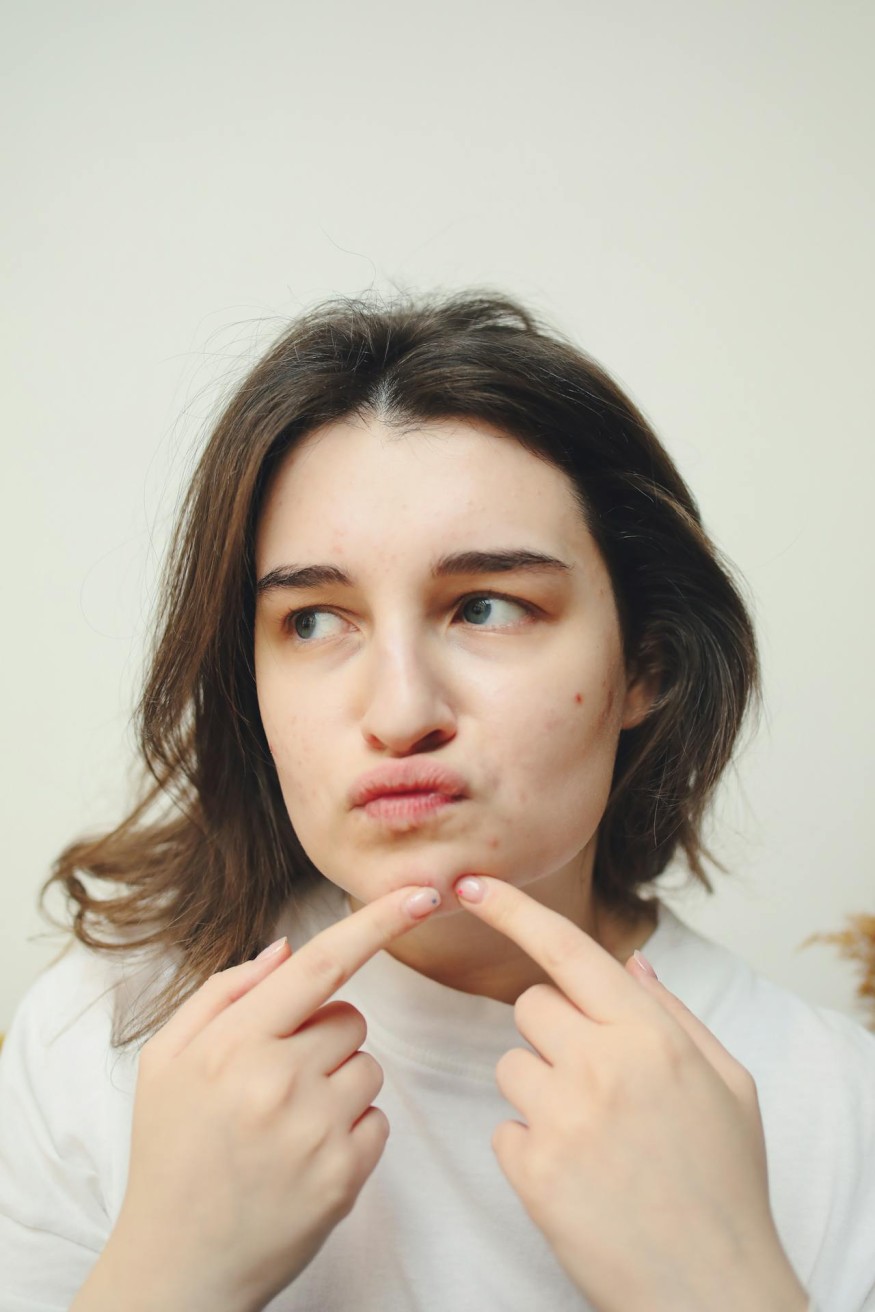
Why Some People Develop Persistent Redness
Facial redness after drinking is common, but long term redness can become more noticeable with repeated alcohol exposure. Enlarged blood vessels near the nose and cheeks may stay visible over time, especially in people prone to rosacea.
Wine and darker alcoholic beverages are often linked to stronger flushing reactions because they may contain higher levels of histamines and other compounds that trigger irritation.
To help minimize visible redness:
- Alternate alcoholic drinks with water
- Avoid heavily sugared beverages
- Use calming skincare ingredients like niacinamide
- Avoid over exfoliating sensitive skin
- Focus on barrier repair products
Gentle skincare becomes especially important when inflammation is already present beneath the surface.
Healthier Habits for Maintaining Clear, Balanced Skin
Enjoying occasional drinks does not automatically mean severe skin damage will occur. Many beauty experts focus on balance and recovery rather than strict elimination. Supporting the skin before and after drinking can reduce visible stress on the complexion.
Helpful habits include:
- Staying hydrated throughout the day
- Prioritizing nutrient rich meals
- Limiting excessive alcohol intake
- Using hydrating skincare products
- Getting enough rest after social events
Consistency matters more than perfection. Skin often responds best to steady habits that protect hydration and reduce inflammation over time.
How Alcohol Impacts Skin Health Over the Years
The alcohol effects on skin can begin with temporary flushing and dehydration but gradually shift into long term concerns like inflammation, collagen breakdown, and premature aging. Questions like does alcohol cause aging skin continue to gain attention because the visible effects often appear directly on the face through redness, texture changes, and loss of firmness.
Understanding the connection between alcohol and skin inflammation allows beauty enthusiasts to make more informed choices about skincare, hydration, and lifestyle habits. Healthy skin is not only about products on the surface. Daily routines and internal balance play an equally important role in maintaining a radiant complexion.
Frequently Asked Questions
1. Does quitting alcohol improve skin appearance?
Many people notice improvements in hydration, brightness, and puffiness after reducing or stopping alcohol consumption. Skin may also appear calmer and more even over time.
2. Which alcoholic drinks are hardest on the skin?
Sugary cocktails and darker liquors are often associated with stronger inflammatory reactions and dehydration, though reactions vary by individual.
3. Can alcohol make wrinkles appear faster?
Alcohol may contribute to collagen breakdown, dehydration, and oxidative stress, all of which can make fine lines and wrinkles more noticeable.
4. How long does alcohol affect the skin after drinking?
Temporary effects like puffiness and dryness may last a day or two, while repeated drinking habits can create longer lasting changes in skin texture and elasticity.