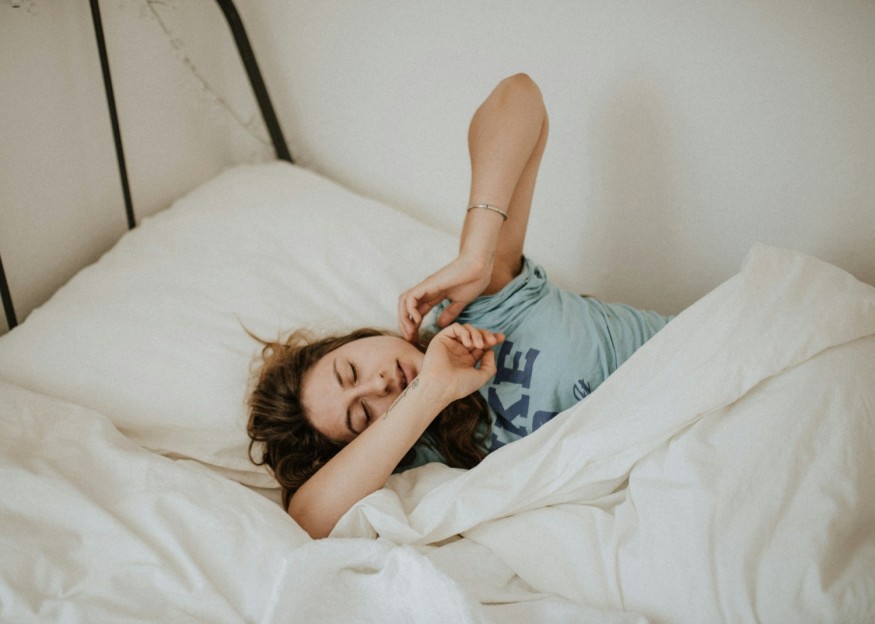
Sleep is often framed as a wellness habit, but scientific research shows it plays a measurable role in how skin and hair look and function. Dermatologists and sleep scientists increasingly point to the same conclusion: consistent, high-quality rest supports visible skin clarity, elasticity, and hair strength. The idea of beauty sleep benefits is not just cultural shorthand. It is rooted in biology, hormones, and nightly repair cycles that directly influence sleep and skin health.
Understanding what actually happens during sleep helps explain why chronic sleep deprivation shows up on the face and scalp, and why good sleep habits can enhance both skincare and haircare routines.
What Happens to Your Skin While You Sleep
During sleep, the body shifts from protection mode to repair mode. Blood flow to the skin increases, supporting oxygen and nutrient delivery. At the same time, skin cells accelerate renewal and collagen production increases.
Key processes that occur overnight include:
- Increased cell turnover that helps repair daily damage
- Strengthening of the skin barrier to reduce moisture loss
- Release of growth hormone that supports tissue repair
This is why sleep and skin health are closely linked. When sleep is disrupted, these restorative processes are reduced, making skin more vulnerable to irritation and premature aging.
Read more: Beauty Sleep Secrets Revealed: How the Right Sleep Routine and Skincare at Night Transform Your Skin
How Lack of Sleep Affects Your Skin
Sleep deprivation affects skin in both short-term and long-term ways. Even one or two nights of poor sleep can alter skin appearance, while chronic lack of rest compounds the effects over time.
Common skin changes linked to insufficient sleep include:
- Dullness caused by reduced blood circulation
- Increased fine lines due to lower collagen synthesis
- Puffiness and dark under-eye circles from fluid imbalance
Research also shows that poor sleep increases cortisol, a stress hormone that can weaken the skin barrier and worsen inflammatory skin conditions. Over time, this disrupts the balance needed for healthy, resilient skin.
Can Sleep Really Improve Your Skin
Scientific studies suggest that consistent sleep improves how skin responds to environmental stress. People who get adequate rest show better skin elasticity, smoother texture, and faster recovery from irritation.
Beauty sleep benefits become most noticeable when sleep quality improves alongside regular routines. Skin that is well-rested retains moisture more effectively and shows fewer signs of stress-related aging. Sleep does not replace skincare, but it significantly influences how well skincare works.
How Sleep Affects Hair Growth
Hair growth depends on cellular activity that is sensitive to hormonal balance. Sleep plays a role in regulating melatonin, cortisol, and growth hormone, all of which influence hair follicle behavior.
During deep sleep phases:
- Hair follicles receive improved nutrient supply
- Growth hormone supports follicle repair
- Stress hormone levels decrease
When sleep is consistently disrupted, hair follicles may spend less time in the active growth phase. This can contribute to slower growth and increased shedding over time.
Can Poor Sleep Contribute to Hair Thinning
Hair thinning linked to sleep deprivation is usually indirect. Poor sleep increases stress and inflammation, which can push more follicles into the shedding phase of the hair cycle.
Contributing factors include:
- Elevated cortisol levels that interfere with growth cycles
- Reduced cellular repair in the scalp
- Increased sensitivity to external stressors
While sleep alone is rarely the sole cause of hair loss, it is a meaningful factor in overall hair health, especially when combined with nutritional or hormonal stress.
How Much Sleep Supports Healthy Skin and Hair
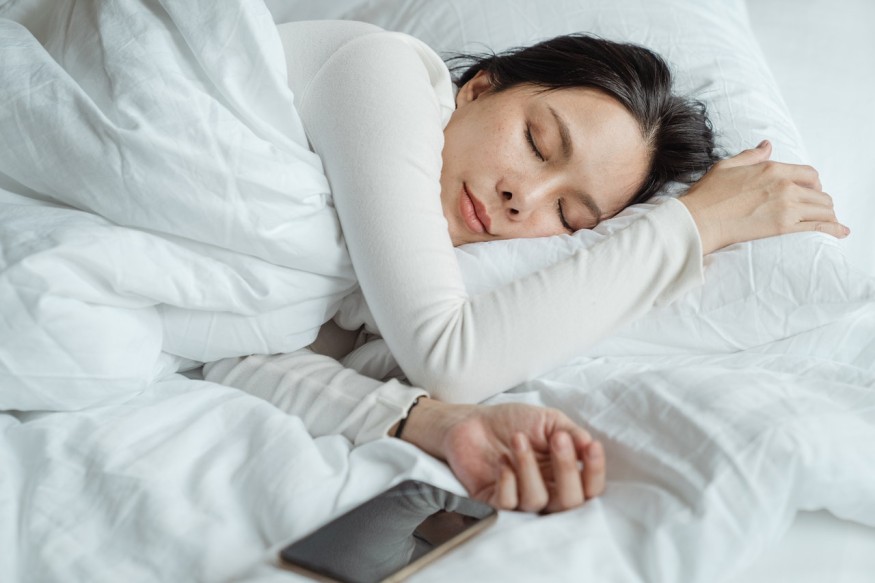
Most adults benefit from seven to nine hours of sleep per night. Both duration and quality matter. Fragmented sleep can limit the amount of time spent in deep and restorative stages.
Sleep consistency also plays a role. Irregular sleep schedules disrupt circadian rhythms, which regulate skin regeneration and hormone release. Regular bedtimes help align internal repair processes with the body's natural cycles.
Does Sleeping Position Affect Skin and Hair
Sleeping position influences mechanical stress on the skin and hair. Repeated pressure on the same areas of the face may contribute to sleep lines over time, while friction can affect hair texture.
Potential effects include:
- Compression-related creases from side or stomach sleeping
- Increased hair breakage from rough pillow surfaces
- Scalp tension from tight hairstyles worn overnight
While sleeping position is a secondary factor, small adjustments can reduce unnecessary stress on skin and hair.
Why Nighttime Is Ideal for Skincare and Haircare
The skin's permeability increases slightly at night, allowing certain topical ingredients to work more effectively. Hair and scalp treatments also benefit from longer contact time without environmental exposure.
Night routines work best when paired with sufficient sleep. Without adequate rest, the biological environment needed for repair is compromised, limiting the effectiveness of even well-formulated products.
Why Sleep Is a Beauty Essential Backed by Science
Sleep supports the biological foundation of healthy skin and hair. It influences repair, hydration, inflammation, and growth at a cellular level. While products and treatments play a role, consistent sleep remains one of the most reliable ways to support visible skin clarity and hair strength over time. Prioritizing sleep is not about chasing perfection. It is about giving the body the time it needs to restore balance naturally.
Frequently Asked Questions
1. What are the main beauty sleep benefits for skin?
Beauty sleep benefits include improved skin hydration, better elasticity, reduced inflammation, and more efficient overnight repair. These effects become more noticeable with consistent, high-quality sleep.
2. Can sleep really affect how fast skin ages?
Yes. Chronic sleep deprivation has been linked to increased fine lines, uneven tone, and reduced collagen production. Healthy sleep supports long-term sleep and skin health by slowing visible signs of aging.
3. How does sleep impact hair growth cycles?
Sleep helps regulate hormones that influence hair follicles. Poor sleep may shorten the growth phase and increase shedding, while consistent rest supports healthier growth patterns.
4. Is sleep quality or sleep duration more important for skin health?
Both matter. Adequate hours allow the body to complete repair cycles, while deep, uninterrupted sleep ensures those cycles are effective. Balanced sleep duration and quality offer the best results.