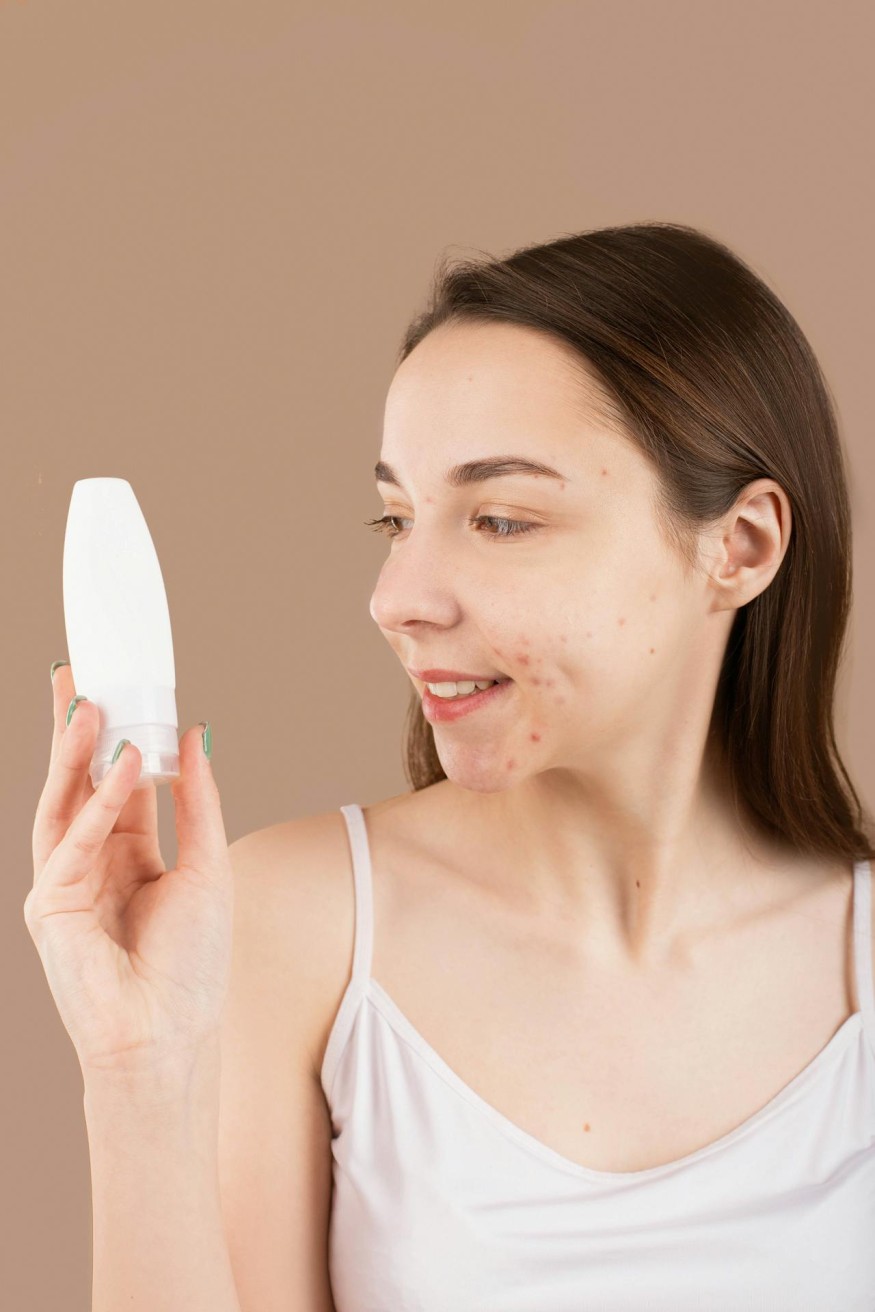
Cold plunges, ice rollers, and cryo facials have moved from athlete recovery rooms into everyday skincare routines. Social media is filled with people dunking their faces in ice water and stepping into freezing chambers in the name of clearer, calmer skin. The promise is simple: reduce redness, calm breakouts, and support long term skin health.
But does cryotherapy for skin actually improve skin inflammation over time, or are the effects mostly temporary? Here is what current evidence and dermatology insights suggest.
What Is Cryotherapy for Skin?
Cryotherapy refers to the use of cold temperatures for therapeutic purposes. In skincare, this ranges from simple at home methods to clinical treatments.
Common forms include:
- Ice rollers or chilled facial tools
- Ice water facials
- Cryo facials using pressurized cold air
- Localized cryotherapy devices in dermatology clinics
- Whole body cryotherapy chambers
While whole body cryotherapy exposes the entire body to very cold air for short periods, most skincare focused approaches target the face to reduce visible redness and swelling.
The growing interest in cryotherapy for skin is tied to its perceived anti inflammatory effects and instant tightening sensation.
How Cold Exposure Affects Skin Inflammation
To understand the cold therapy benefits, it helps to look at what happens physiologically when skin is exposed to low temperatures.
When cold touches the skin:
- Blood vessels constrict in a process called vasoconstriction
- Blood flow to the area temporarily decreases
- Swelling and redness can visibly reduce
- Nerve activity slows, which may decrease discomfort
After the skin warms back up, circulation increases again. This rewarming phase may enhance nutrient delivery and create a temporary glow.
For people dealing with skin inflammation, especially redness or puffiness, this cycle can create noticeable short term improvements. However, reduced blood flow is not the same as addressing the root causes of inflammation, such as hormonal shifts, bacteria, or chronic immune responses.
Cold Therapy Benefits for Common Skin Concerns
Cryotherapy is often promoted as a natural fix for inflamed or reactive skin. While results vary, certain concerns may respond better than others.
Acne and Breakouts
Cold exposure can help reduce:
- Swelling around inflamed pimples
- Redness associated with cystic acne
- Discomfort from active lesions
Because inflammation is a major part of acne, calming that response can make breakouts look less severe. However, cryotherapy does not treat clogged pores, excess oil production, or acne causing bacteria.
Rosacea and Persistent Redness
People with rosacea often seek immediate relief from flushing. Brief cold application may temporarily reduce visible redness. That said, aggressive or prolonged cold exposure can trigger rebound redness in some individuals.
Post Procedure Swelling
After treatments such as microneedling or laser resurfacing, mild cold therapy is sometimes used to ease swelling. In these cases, cryotherapy for skin acts as a supportive recovery tool rather than a standalone treatment.
Puffy Eyes and Fluid Retention
Cold tools placed under the eyes can constrict blood vessels and reduce fluid buildup. This is one of the most widely accepted and low risk uses of facial cryotherapy.
Does Cryotherapy Improve Skin Inflammation Long Term?
The key question is whether repeated cold exposure creates lasting changes in inflammatory pathways.
Current research suggests:
- Cold therapy provides temporary reduction in visible inflammation
- It does not permanently alter the immune response in the skin
- Long term improvements are more likely when cryotherapy is combined with other treatments
In sports medicine, cold therapy is widely used for acute injuries. In dermatology, the evidence for long term inflammatory control through cold exposure alone is limited.
For chronic inflammatory conditions such as eczema or persistent rosacea, dermatologists typically rely on barrier repair strategies, topical anti inflammatory ingredients, and prescription therapies. Cryotherapy may play a supportive role but is rarely considered a primary solution.
Potential Risks and Who Should Be Cautious
Although generally safe when used properly, cryotherapy for skin is not risk free.
Possible concerns include:
- Ice burns from direct prolonged contact
- Broken capillaries in sensitive skin
- Increased irritation in compromised skin barriers
- Flare ups in individuals with cold urticaria
People with very reactive skin or vascular conditions should approach cold therapy carefully and avoid extreme temperatures.
Moderation matters. Short applications lasting a few minutes are typically safer than extended exposure.
How to Use Cryotherapy Safely at Home
For those curious about trying cold therapy benefits in their routine, a measured approach is important.
Practical tips include:
- Wrap ice in a clean cloth rather than applying it directly
- Limit application to 1 to 3 minutes per area
- Use chilled tools instead of frozen metal
- Follow with hydrating and soothing products
Pairing cold exposure with calming ingredients such as niacinamide or centella asiatica may support overall skin comfort. The goal is to complement a broader anti inflammatory routine, not replace it.
Cryotherapy vs Other Anti Inflammatory Strategies
When managing skin inflammation, several evidence supported options exist.
Topical ingredients with research backing include:
- Niacinamide for barrier support
- Azelaic acid for redness and acne
- Ceramides for restoring the skin barrier
- Green tea extract for antioxidant support
Unlike cold exposure, these ingredients aim to regulate inflammatory pathways and improve barrier integrity over time.
Cryotherapy can deliver fast visible results. Long term improvement usually depends on consistent barrier care, sun protection, and targeted treatments.
Is Cryotherapy for Skin Worth Adding to a Routine?
Cryotherapy for skin offers immediate visual improvements in redness, puffiness, and swelling. The cooling sensation and temporary tightening can make skin look refreshed and less inflamed.
However, the science does not currently support cold exposure as a standalone long term solution for chronic skin inflammation. Its strongest role appears to be short term symptom relief and post treatment recovery support.
For individuals seeking lasting changes, cold therapy may work best as part of a broader skincare plan focused on barrier health and proven anti inflammatory ingredients.
Frequently Asked Questions
1. Is cryotherapy good for your skin?
Cryotherapy can be beneficial for reducing temporary redness, puffiness, and swelling. It is most effective for short term cosmetic improvements rather than treating underlying causes of skin inflammation.
2. How often can you use cryotherapy on your face?
Most experts suggest limiting facial cold therapy to a few times per week for short sessions. Daily use may be tolerated by some, but overuse can irritate sensitive skin.
3. Can cold therapy reduce inflammation permanently?
Cold therapy reduces visible inflammation temporarily by constricting blood vessels. There is limited evidence that it permanently changes inflammatory processes in the skin.
4. Is cryotherapy safe for sensitive skin?
It can be safe when used gently and briefly. People with highly reactive skin, rosacea, or cold related conditions should consult a dermatologist before trying more intense forms of cryotherapy.