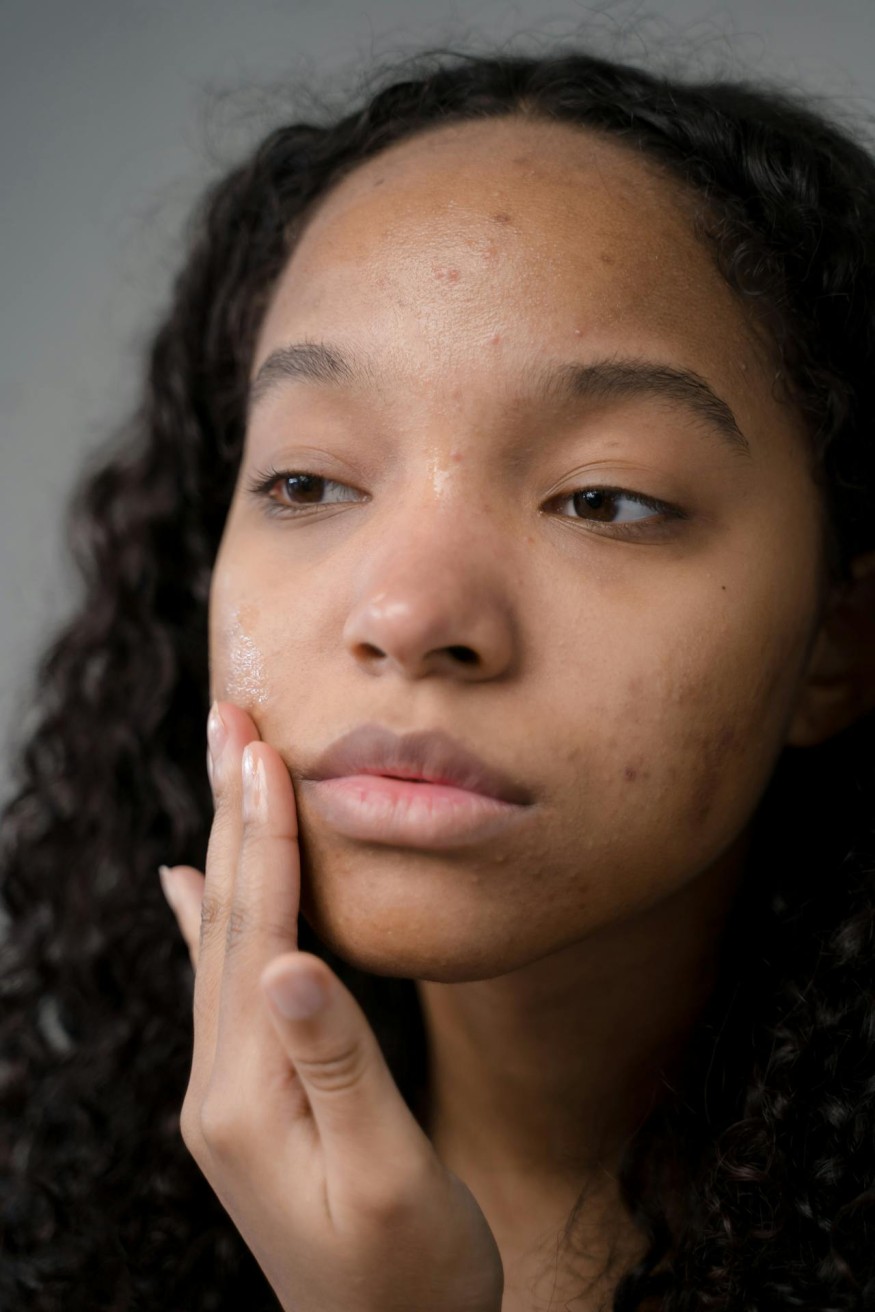
Adult acne is no longer viewed as a rare condition that lingers from teenage years. Dermatologists report that more people in their 20s, 30s, and even 40s are seeking treatment for persistent breakouts. Understanding adult acne causes requires looking beyond surface-level explanations. Hormones, stress, skincare routines, and lifestyle habits all play a role.
Unlike adolescent acne, adult breakouts are often deeper, more inflamed, and concentrated around the lower face. Identifying hidden acne triggers can make the difference between temporary relief and long-term skin clarity.
What Causes Adult Acne?
At its core, acne forms when pores become clogged with oil, dead skin cells, and bacteria. In adults, however, the root factors are often more complex.
Common adult acne causes include:
- Hormonal shifts that increase oil production
- Chronic inflammation linked to stress
- Barrier damage from harsh skincare
- External irritants like hair or cosmetic products
Many cases are tied to hormonal acne, especially in women. Breakouts frequently appear along the jawline, chin, and neck, areas sensitive to hormonal fluctuations.
Read more: Neutrogena Acne Review: Is This Drugstore Icon Still the Go-To Brand for Skincare for Acne?
1. Subtle Hormonal Imbalances
Hormones are one of the leading adult acne causes. Even minor fluctuations can stimulate sebaceous glands to produce excess oil.
Common hormonal acne triggers include:
- Menstrual cycle changes
- Pregnancy and postpartum recovery
- Perimenopause
- Polycystic ovary syndrome
Hormonal acne often presents as painful, cyst-like blemishes that recur in similar areas each month. These breakouts tend to be stubborn and may not respond to basic over the counter treatments.
How Do You Know If Acne Is Hormonal?
Hormonal acne typically:
- Appears around the chin and jaw
- Flares up before menstruation
- Feels tender or deep under the skin
- Persists into adulthood despite good skincare
Dermatologists may recommend hormone testing or prescription treatments if breakouts follow a predictable cycle.
2. Chronic Stress and Cortisol Spikes
Stress is one of the most underestimated acne triggers. When stress levels rise, the body releases cortisol. This hormone can stimulate oil glands and increase inflammation.
The result:
- Increased sebum production
- Slower healing of existing blemishes
- Higher likelihood of clogged pores
Sleep deprivation often compounds the issue. Poor sleep disrupts skin repair and increases inflammatory markers, which may worsen adult acne.
Can Stress Really Cause Acne?
Research suggests that stress does not directly create acne on its own, but it significantly worsens underlying conditions. For individuals already prone to breakouts, stress can intensify both frequency and severity.
3. Haircare Products and Hidden Residue
Many adults overlook how haircare routines contribute to acne triggers. Conditioners, oils, and styling creams can transfer onto the skin and clog pores.
This is often referred to as pomade acne and typically shows up as:
- Small bumps along the forehead
- Breakouts near the hairline
- Acne on the upper back
Checking ingredient lists for heavy oils and comedogenic compounds can reduce unnecessary irritation.
Can Hair Products Cause Acne?
Yes. Ingredients such as coconut oil, certain silicones, and thick waxes can contribute to clogged pores, especially when they remain on the skin overnight.
4. Over-Exfoliation and Aggressive Skincare
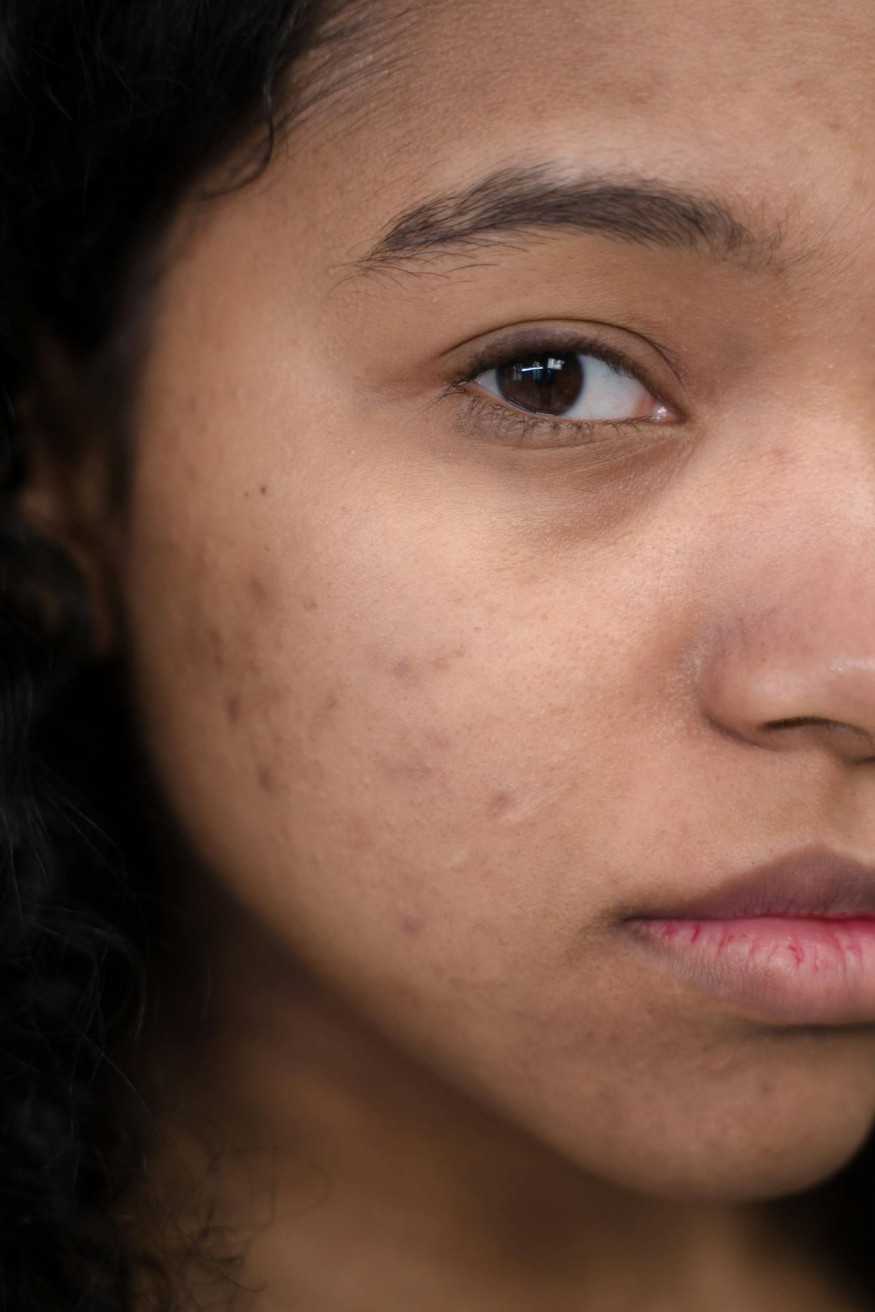
In an attempt to clear breakouts quickly, many adults overuse active ingredients. Retinoids, exfoliating acids, and acne treatments can be effective, but too much can damage the skin barrier.
When the barrier is compromised:
- Skin becomes irritated and inflamed
- Oil production may increase to compensate
- Breakouts can worsen rather than improve
Balancing active treatments with gentle hydration is essential. Dermatologists often emphasize that more product does not equal better results.
Why Is Acne Getting Worse Despite Using Acne Products?
Overuse of exfoliating acids or combining too many actives can strip the skin. Instead of clearing pores, this approach may create irritation that triggers more breakouts.
5. Diet and Blood Sugar Spikes
Diet remains a debated topic in dermatology, but growing evidence links high glycemic foods to certain adult acne causes. Foods that rapidly spike blood sugar may increase insulin levels, which in turn stimulate oil production.
Potential dietary acne triggers include:
- Sugary snacks and beverages
- Refined carbohydrates
- Whey protein supplements
- Some dairy products
While not everyone reacts the same way, tracking food intake alongside breakouts can reveal patterns.
What Foods Trigger Acne in Adults?
Common suspects include processed carbohydrates and skim milk. However, triggers vary by individual, making personal observation important.
6. Friction and Everyday Contact
Environmental acne triggers are often subtle. Repeated friction or trapped moisture can irritate the skin and clog pores.
Examples include:
- Prolonged mask wearing
- Dirty phone screens pressed against cheeks
- Tight athletic wear
- Pillowcases that are rarely washed
This type of breakout is sometimes referred to as acne mechanica. It often appears in areas exposed to pressure or sweat.
Can Wearing a Mask Cause Acne?
Yes. Heat, humidity, and friction under a mask can create an environment where bacteria thrive. Keeping skin clean and choosing breathable materials can help reduce flare-ups.
7. Medications and Supplements
Certain prescriptions and supplements may contribute to adult acne causes. These can include:
- Corticosteroids
- Some antidepressants
- Hormonal therapies
- Vitamin B12 or high-dose biotin
Not everyone experiences breakouts from these substances, but sudden changes in medication can sometimes coincide with new acne patterns.
Why Is Adult Acne Appearing in the 30s or 40s?
Hormonal shifts continue throughout adulthood. Slower skin cell turnover and increased sensitivity to inflammation may also make skin more reactive to acne triggers over time.
In addition, lifestyle stressors, sleep disruption, and environmental exposure accumulate with age, potentially contributing to persistent breakouts.
Understanding Adult Acne Causes for Long-Term Skin Clarity
Adult acne is rarely caused by a single factor. Hormonal acne, stress-related inflammation, barrier damage, diet, and daily habits can all overlap. Identifying personal acne triggers requires patience and observation. A consistent routine, balanced lifestyle, and professional guidance when needed can significantly improve outcomes.
For individuals dealing with recurring breakouts, focusing on underlying adult acne causes rather than quick fixes often leads to more sustainable results.
Frequently Asked Questions
1. What are the most common adult acne causes?
Hormonal fluctuations, chronic stress, harsh skincare routines, diet, and certain medications are among the most common contributors.
2. How is hormonal acne different from regular acne?
Hormonal acne often appears along the jawline and chin, tends to be cystic, and may flare up around the menstrual cycle.
3. Can changing skincare products reduce acne triggers?
Yes. Switching to non-comedogenic products and avoiding over-exfoliation can help minimize irritation and clogged pores.
4. When should someone see a dermatologist for adult acne?
If acne is painful, leaving scars, or not improving with over the counter treatments, professional evaluation is recommended.