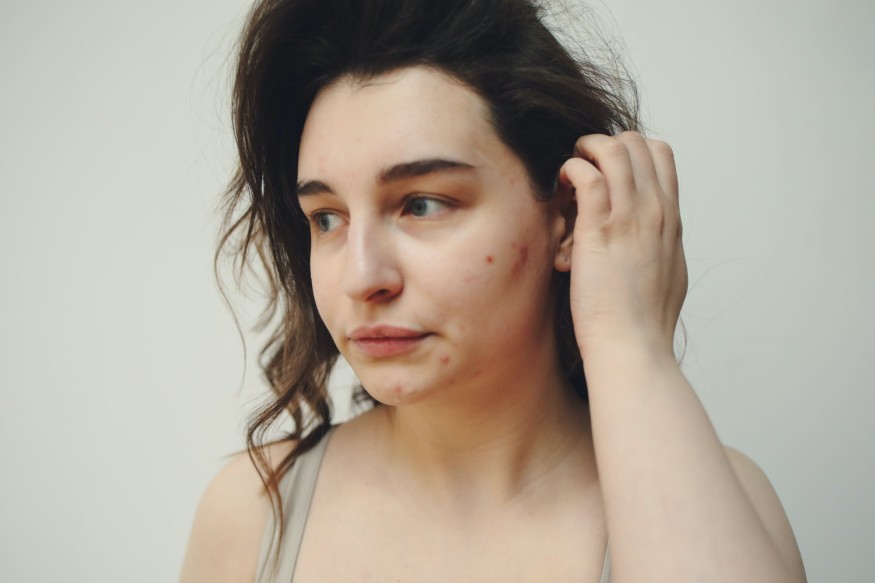
Acne can be persistent, frustrating, and confusing. Many people follow routines diligently, invest in popular products, and still see little improvement. Acne treatment failure is more common than it seems, often because the underlying causes are misunderstood or routines are unintentionally making breakouts worse. Understanding why treatments stall is essential for building smarter, more effective acne skincare tips that actually support skin recovery.
1. The Treatment Does Not Match the Acne Type
Not all acne forms the same way. Blackheads, inflamed pimples, cystic acne, and fungal acne respond to different approaches. Using products designed for surface-level breakouts on hormonal or cystic acne often leads to acne treatment failure.
- Whiteheads and blackheads respond best to exfoliating acids
- Inflammatory acne needs calming and anti-bacterial support
- Hormonal acne often requires more than topical care
2. Results Are Expected Too Quickly
Acne treatments work on skin cycles that take time. Most ingredients need at least four to eight weeks before visible improvement.
- Early purging is often mistaken for failure
- Switching products too quickly prevents progress
- Consistency matters more than intensity
3. Overuse of Active Ingredients
More is not better when it comes to acne. Excessive use of acids, retinoids, or benzoyl peroxide can weaken the skin barrier.
Signs of overuse include:
- Redness and stinging
- Increased oil production
- Breakouts that feel irritated rather than clogged
This cycle often makes acne appear worse even though treatment is ongoing.
4. A Damaged Skin Barrier
Healthy skin heals acne faster. When the barrier is compromised, moisture escapes and inflammation increases. This creates the perfect environment for recurring breakouts.
Effective acne skincare tips include:
- Gentle cleansing instead of stripping
- Moisturizers that support barrier repair
- Limiting harsh exfoliation
5. Hormonal Acne Is Being Treated Like Surface Acne
Hormonal acne typically appears along the jawline, chin, and lower cheeks. Topical treatments alone may reduce inflammation but rarely prevent recurrence.
- Flare-ups often follow monthly cycles
- Stress and sleep disruption can worsen symptoms
- Long-term management usually requires lifestyle awareness

6. Products Are Quietly Clogging Pores
Even products labeled non-comedogenic can cause congestion depending on skin type. Sunscreen, makeup, hair products, and even conditioners can trigger breakouts.
Common triggers include:
- Heavy occlusive ingredients
- Fragrance sensitivity
- Product buildup around the hairline and jaw
7. Sunscreen Is Skipped or Used Incorrectly
Sun exposure increases inflammation and slows acne healing. It also darkens post-acne marks, making skin appear worse over time.
Why sunscreen matters:
- Prevents prolonged redness
- Supports healing from active ingredients
- Protects skin barrier health
Skipping sunscreen can quietly undermine an otherwise solid routine.
8. Lifestyle Factors Are Working Against Progress
Skincare does not exist in isolation. Diet, stress, sleep, and habits influence how skin responds to treatment.
Factors linked to acne treatment failure:
- High sugar or dairy intake for some individuals
- Chronic stress raising inflammation
- Poor sleep disrupting skin repair
9. Incompatible Ingredients Are Being Mixed
Certain ingredients cancel each other out or cause irritation when layered improperly.
Examples include:
- Overlapping exfoliating acids
- Strong actives applied without recovery days
- Incorrect order of application
Simplifying routines often improves results faster than adding more products.
10. Post-Acne Inflammation Is Ignored
Even when pimples heal, redness and inflammation can linger. This creates the illusion that acne is not improving.
Supportive acne skincare tips focus on:
- Anti-inflammatory ingredients
- Barrier repair products
- Gradual fading of post-acne marks
Healing skin needs recovery, not constant correction.
11. Professional Guidance Is Needed
Over-the-counter products have limits. When acne persists despite careful routines, professional evaluation can identify hidden triggers or conditions.
Indicators include:
- Deep or painful breakouts
- Scarring risk
- Acne that worsens despite consistency
How to Reset an Acne Routine That Isn't Working
Acne treatment failure does not mean skincare has failed entirely. Often, the solution is refinement rather than replacement. A balanced routine prioritizes skin health, consistency, and patience. Simplifying steps, protecting the skin barrier, and aligning products with the actual acne type allows treatments to work as intended.
Frequently Asked Questions
1. Why does acne come back even after treatments seem to work?
Acne often returns when underlying triggers such as hormones, stress, or barrier damage are not addressed. Treatments may clear symptoms without preventing recurrence.
2. How long should acne treatments be used before deciding they are not working?
Most treatments need at least six to eight weeks of consistent use before results can be accurately evaluated.
3. Can using too many acne products cause more breakouts?
Yes. Overloading the skin can lead to irritation, oil imbalance, and inflammation, which contribute to acne treatment failure.
4. What is the most important acne skincare tip for long-term results?
Supporting the skin barrier through gentle care, hydration, and consistency is often more effective than aggressive treatments alone.