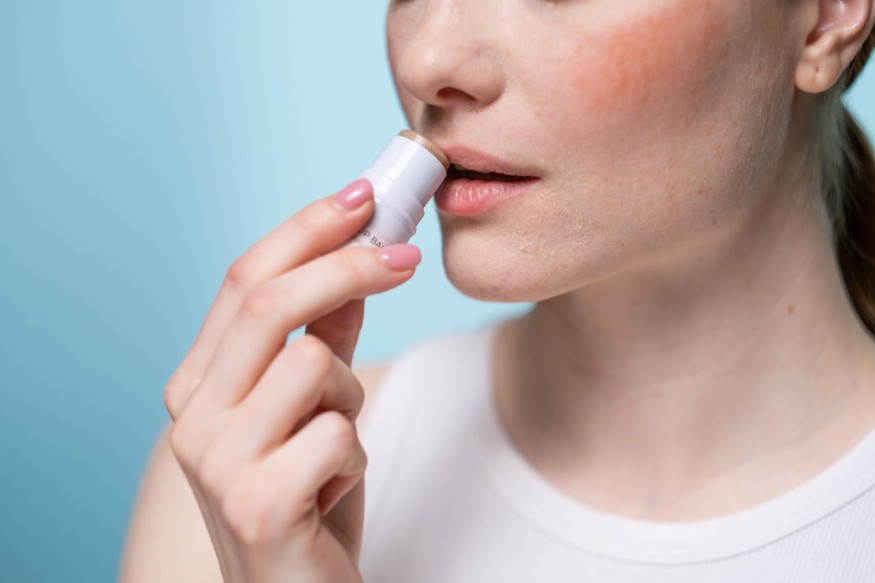
Dry, flaky lips can make even the best makeup look uneven. While lip balms offer quick relief, a newer technique called lip basting is gaining attention as a more targeted dry lips treatment. Borrowed from skincare layering methods, this approach focuses on restoring moisture while protecting the delicate lip barrier.
For those looking to upgrade their overnight lip care routine, lip basting offers a structured way to lock in hydration and wake up to softer, smoother lips.
What Is Lip Basting and Why Is It Trending?
Lip basting is a layering technique that involves applying multiple hydrating and protective products to the lips in a specific order. The goal is to deeply nourish the lips while sealing in moisture overnight.
Unlike basic lip balm application, lip basting uses a combination of ingredients that work together. This includes hydration boosters, skin-repairing creams, and occlusive layers that prevent moisture loss.
The trend has gained popularity among skincare enthusiasts who already practice facial layering. It fits naturally into routines that prioritize barrier repair and long-lasting hydration.
How Does Lip Basting Work for Dry Lips?
The lips have a thinner outer layer compared to the rest of the face, which makes them more prone to dryness. Lip basting addresses this by combining three key steps:
- Hydration: Draws moisture into the lips using ingredients like glycerin or hyaluronic acid
- Nourishment: Supports the lip barrier with emollients such as ceramides and fatty acids
- Occlusion: Seals everything in with thicker products like petrolatum or wax-based balms
This layered method helps prevent water loss overnight, making it an effective overnight lip care solution for persistent dryness.
What Ingredients Are Used in Lip Basting?
Choosing the right products is essential for safe and effective lip basting. The method works best when each layer serves a specific purpose.
Common ingredients to look for:
- Humectants
- Hyaluronic acid
- Glycerin
- Emollients
- Ceramides
- Shea butter
- Squalane
- Occlusives
- Petrolatum
- Lanolin
- Beeswax
Ingredients to use with caution:
- Strong exfoliating acids
- Fragrance-heavy formulas
- Menthol or camphor, which may dry out lips further
Selecting gentle, fragrance-free formulas can make lip basting more comfortable, especially for sensitive skin.
How Do You Do Lip Basting Step by Step?
A simple routine can be done before bed to maximize results. This process supports deep hydration without overwhelming the lips.
Step-by-step guide:
- Start with clean lipsRemove any lipstick or residue using a gentle cleanser
- Light exfoliation if neededUse a soft cloth or mild lip scrub to remove flakes
- Apply a hydrating layerDab a lightweight serum or essence onto the lips
- Add a nourishing productUse a cream or balm rich in barrier-repair ingredients
- Seal with an occlusive layerFinish with a thick ointment to lock in moisture overnight
This method works best when done consistently as part of an overnight lip care routine.
Is Lip Basting Safe for Everyday Use?
Lip basting is generally safe when done with gentle products. However, daily exfoliation is not necessary and may lead to irritation.
Best practices for safe use:
- Limit exfoliation to a few times per week
- Use fragrance-free and non-irritating formulas
- Pay attention to signs of sensitivity, such as redness or stinging
For most people, lip basting a few nights a week is enough to maintain hydration without overwhelming the skin.
What Are the Benefits of Lip Basting for Dry Lips?
Lip basting goes beyond temporary relief by supporting long-term lip health.
Key benefits include:
- Deep hydration that lasts beyond a single application
- Smoother texture that improves lipstick application
- Reduced flaking and visible dryness
- Strengthened lip barrier over time
As a dry lips treatment, it can be especially helpful during colder months or in dry environments.
Can Lip Basting Cause Irritation or Breakouts?
While lip basting is designed to be gentle, certain mistakes can lead to irritation.
Possible concerns:
- Over-exfoliation causing sensitivity
- Allergic reactions to certain ingredients
- Pore congestion around the lip area from heavy products
To minimize risks, it is important to introduce new products gradually and keep the routine simple.
Lip Basting vs Lip Mask: What Is the Difference?
Lip masks are often marketed as overnight solutions, but they differ slightly from lip basting.
- Lip basting focuses on layering multiple products for customized care
- Lip masks are usually single products designed to hydrate and seal in moisture
Both methods can support overnight lip care, but lip basting offers more flexibility for targeting specific concerns.
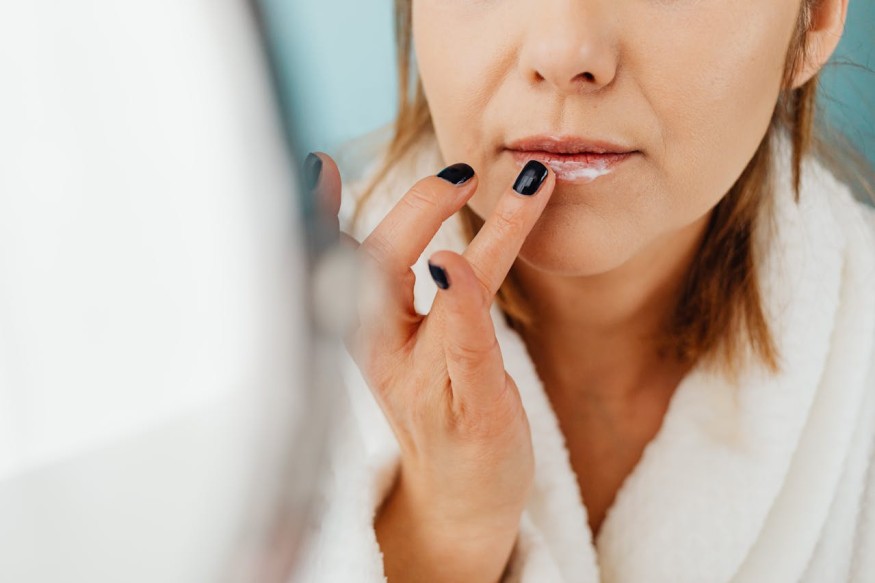
Who Should Try Lip Basting and Who Should Avoid It?
Lip basting can benefit many people, but it is not necessary for everyone.
Ideal for:
- Those with consistently dry or chapped lips
- Individuals exposed to cold weather or air conditioning
- Anyone looking to improve their lip care routine
Use caution if:
- Lips are already irritated or cracked
- There is a known sensitivity to common lip care ingredients
Adjusting the routine based on individual needs can help prevent discomfort.
Tips to Make Lip Basting More Effective
Small adjustments can make a noticeable difference in results.
- Drink enough water throughout the day
- Avoid licking lips, which can worsen dryness
- Use SPF lip products during daytime
- Stick to simple formulas with minimal irritants
Consistency is key when using lip basting as a dry lips treatment.
Why Lip Basting Is Becoming a Go-To Dry Lips Treatment
Lip basting has quickly become a favorite among skincare enthusiasts because it combines hydration, nourishment, and protection in one routine. By layering products strategically, it supports healthier lips while fitting easily into existing nighttime habits. As part of a thoughtful overnight lip care approach, it offers a practical way to maintain soft, smooth lips without relying on quick fixes.
Frequently Asked Questions
1. How often should lip basting be done?
Lip basting can be done several times a week depending on dryness levels. Daily use is possible if exfoliation is limited and gentle products are used.
2. Can lip basting heal severely cracked lips?
It can help improve hydration and support healing, but severely cracked lips may require additional care or medical attention if symptoms persist.
3. Is lip basting better than regular lip balm?
Lip basting provides a more comprehensive approach by combining hydration and sealing steps, while lip balm typically offers a single layer of protection.
4. What is the best product for overnight lip care?
The best products include a hydrating serum, a nourishing balm, and a protective occlusive layer. Choosing fragrance-free formulas can improve comfort and results.