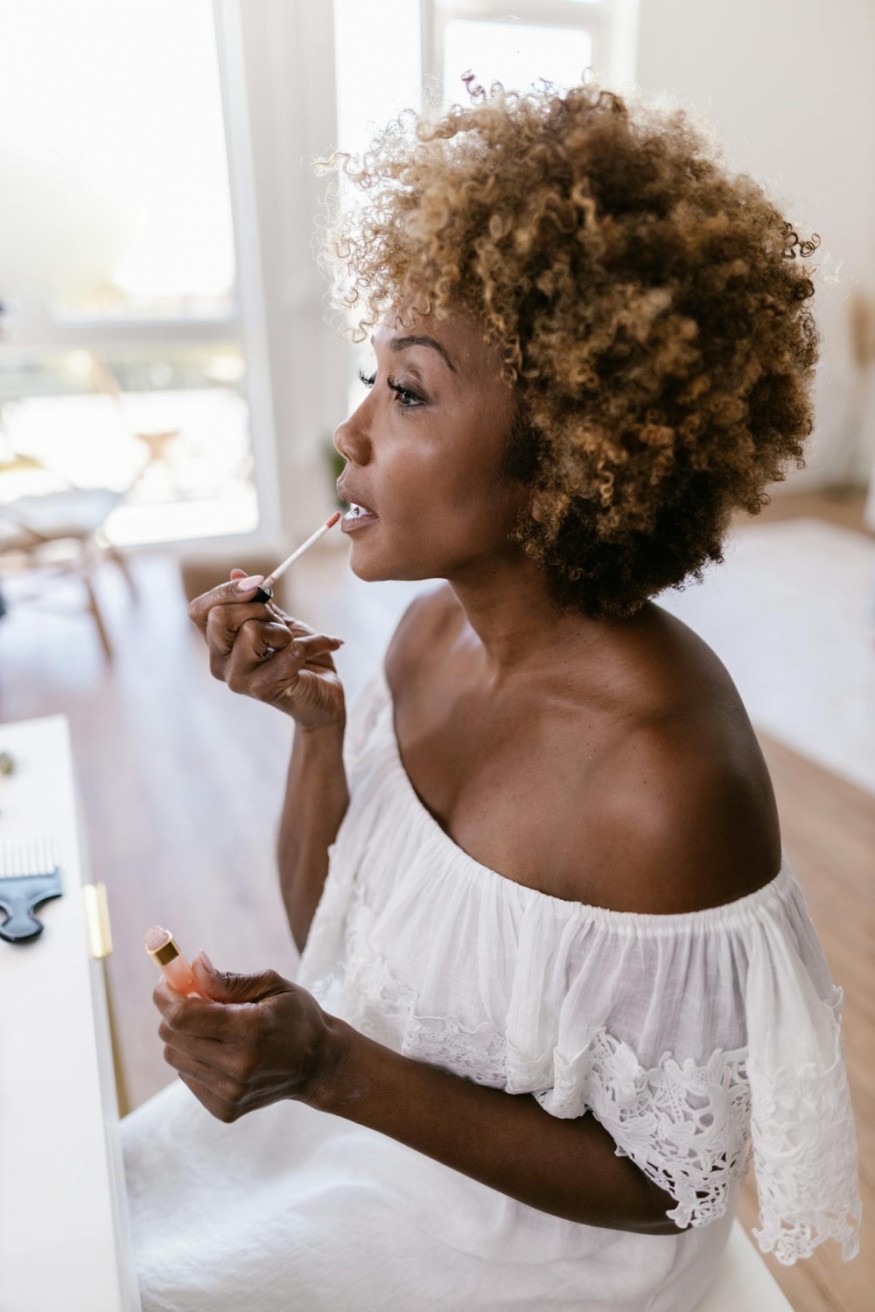
Dry lips are a common issue, especially in climates with strong sun exposure, air conditioning, or frequent temperature changes. In response, many makeup brands have shifted focus toward lip products that promise both comfort and visual appeal. Two options dominate this conversation: lip oil and lip gloss. While they may look similar in a makeup bag, their formulas and purposes are different. Understanding these makeup differences helps clarify the ongoing debate around lip oil vs lip gloss, particularly for people dealing with dryness.
Understanding Lip Oil and How It Works
Lip oil sits at the intersection of makeup and lip care. It is designed to nourish the lips while offering a subtle sheen.
Most lip oils are formulated with plant-based oils such as jojoba, argan, or almond oil. These ingredients are commonly used in skincare for their ability to soften and condition.
Key characteristics of lip oil include:
- Lightweight texture that absorbs gradually
- Focus on hydration rather than high shine
- Comfortable wear with minimal stickiness
For dry lips, lip oil works by reinforcing the natural moisture barrier. Instead of sitting on top of the lips alone, it penetrates slightly, helping lips feel smoother over time. This makes lip oil appealing to those who prioritize lip health alongside makeup.
What Lip Gloss Is Designed to Do
Lip gloss has traditionally been a cosmetic product first and a treatment product second. Its primary purpose is visual enhancement.
Gloss formulas vary widely, but most include synthetic emollients and shine-enhancing ingredients that reflect light. Some modern glosses also contain hydrating agents, though they are not always the main focus.
Common features of lip gloss:
- High-shine or glass-like finish
- Thicker texture compared to lip oil
- Often worn over lipstick or lip liner
While lip gloss can make lips appear fuller and smoother, the hydration it provides is usually temporary. The shine can visually mask dryness, even if it does not address it beneath the surface.
Lip Oil vs Lip Gloss: Key Makeup Differences
Comparing lip oil vs lip gloss highlights several functional and sensory differences that matter for dry lips.
Texture and feel
- Lip oil feels lighter and more fluid
- Lip gloss tends to feel thicker and sometimes tacky
Hydration level
- Lip oil supports moisture retention
- Lip gloss mainly offers surface comfort
Finish
- Lip oil delivers a soft, natural sheen
- Lip gloss creates noticeable shine
Wear experience
- Lip oil fades evenly as it absorbs
- Lip gloss may require reapplication for consistent shine
These makeup differences explain why the two products serve different needs, even if they appear similar at first glance.
Which Product Is More Hydrating for Dry Lips?
Hydration is often the deciding factor for people choosing between lip oil and lip gloss.
Lip oil generally provides longer-lasting comfort because it relies on oils that help condition the lips. This does not mean it replaces all lip treatments, but it does support dryness better than many gloss formulas.
Lip gloss may feel moisturizing at first, but the effect often fades once the product wears off. In some cases, frequent reapplication can even draw attention to dryness rather than improve it.
For people whose lips feel tight, flaky, or rough, lip oil is usually the more supportive option.
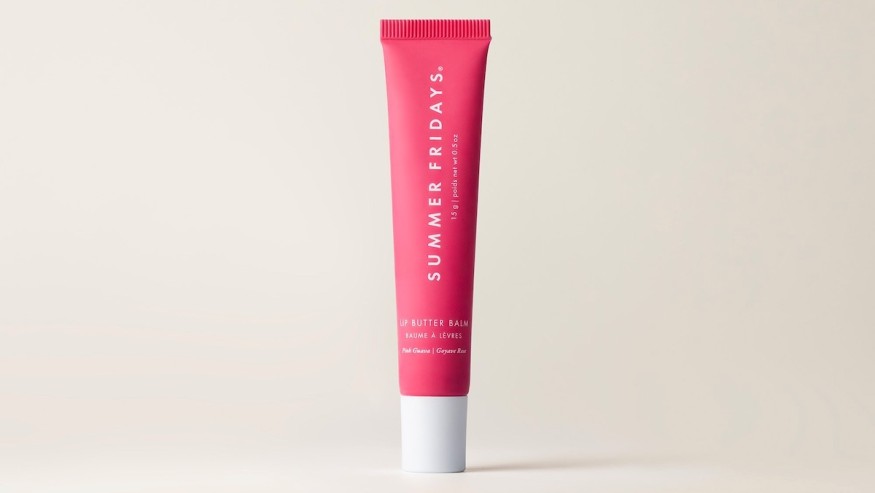
Can Lip Oil Replace Lip Balm?
Lip oil and lip balm are often compared, though they serve slightly different purposes.
Lip oil can be used daily and may replace balm during the daytime, especially for those who want a polished look without heavy shine. However, very dry or cracked lips may still benefit from an occlusive balm at night.
A practical approach for dry lips:
- Use lip balm overnight for repair
- Apply lip oil during the day for hydration and appearance
- Reserve lip gloss for makeup-focused moments
This combination approach allows each product to perform its intended role.
When Lip Gloss Still Makes Sense
Despite the hydration benefits of lip oil, lip gloss continues to have a place in makeup routines.
Lip gloss works well when:
- The goal is high shine or a fuller-looking lip
- It is layered over lipstick for dimension
- Dryness is mild and well managed
Some gloss formulas now include conditioning ingredients, narrowing the gap between care and cosmetics. Still, the core function of gloss remains aesthetic rather than treatment-focused.
Choosing Between Lip Oil and Lip Gloss for Dry Lips
The choice between lip oil vs lip gloss depends on personal priorities and lip condition.
Consider these factors:
- Severity of dryness
- Preference for shine versus subtle glow
- Comfort during long wear
- Whether the product is worn alone or with other makeup
Those who experience frequent dryness often find lip oil more forgiving for everyday use. Lip gloss may suit special occasions or short wear times when appearance takes priority.
Lip Oil vs Lip Gloss for Dry Lips: A Practical Take
The ongoing interest in lip oil vs lip gloss reflects a broader shift toward makeup that feels better on the skin. Lip oil stands out for its conditioning benefits and comfortable texture, while lip gloss remains relevant for its visual impact. For dry lips, understanding these makeup differences helps set realistic expectations and leads to better choices based on need rather than trend.
Frequently Asked Questions
1. Is lip oil better than lip gloss for dry lips?
Lip oil is generally better for dry lips because it focuses on nourishment and moisture retention, while lip gloss mainly enhances appearance.
2. Does lip gloss moisturize lips at all?
Some lip glosses provide temporary comfort, but the hydration is often surface-level and short-lived compared to lip oil.
3. Can lip oil be worn like a makeup product?
Yes. Lip oil offers a natural sheen and can be worn alone or layered with other lip products.
4. Should dry lips avoid lip gloss completely?
Not necessarily. Lip gloss can still be used, but it works best when lips are already well hydrated or when paired with a conditioning base.