
Skincare routines have become more sophisticated, and with that comes confusion. One of the most common debates in modern skincare is face oils vs moisturiser. Both are often associated with soft, healthy-looking skin, yet they work in very different ways. Understanding how each product functions is essential for achieving proper skincare hydration, especially when skin concerns vary by climate, age, and skin type.
This article breaks down the differences, similarities, and practical uses of face oils and moisturisers in a clear, objective way.
What Does a Moisturiser Actually Do?
A moisturiser is designed to hydrate the skin and prevent water loss. Most formulas combine three key components that support skincare hydration.
- Humectants draw water into the skin from the environment or deeper skin layers
- Emollients smooth and soften the skin surface
- Occlusives create a barrier that slows moisture evaporation
Moisturisers are typically water-based, which makes them effective at increasing hydration levels within the skin. This is why they are often considered a foundational skincare product rather than an optional step.
For people dealing with dryness, tightness, or compromised skin barriers, a moisturiser plays a direct role in restoring balance.
Do Face Oils Hydrate Your Skin or Just Seal Moisture In?
Face oils work differently. They do not add water to the skin. Instead, they help retain the moisture that is already there.
Most face oils are composed of plant-based or synthetic oils that act primarily as occlusives. Their main functions include:
- Reducing transepidermal water loss
- Supporting the skin's natural lipid barrier
- Improving the appearance of smoothness and glow
This distinction is important in the face oils vs moisturiser discussion. While oils can make skin feel nourished, they do not replace the hydrating role of water-based products.
Face Oils vs Moisturiser: Key Differences Explained
Understanding how these products differ makes it easier to decide which one is necessary.
Texture and composition
- Moisturisers contain water and oil components
- Face oils contain oils only
Function
- Moisturisers actively hydrate and protect
- Face oils mainly seal and reinforce
Absorption
- Moisturisers absorb into the skin layers
- Oils sit closer to the surface and slow moisture loss
When comparing face oils vs moisturiser, the difference comes down to hydration versus moisture retention. Both matter, but they are not interchangeable.
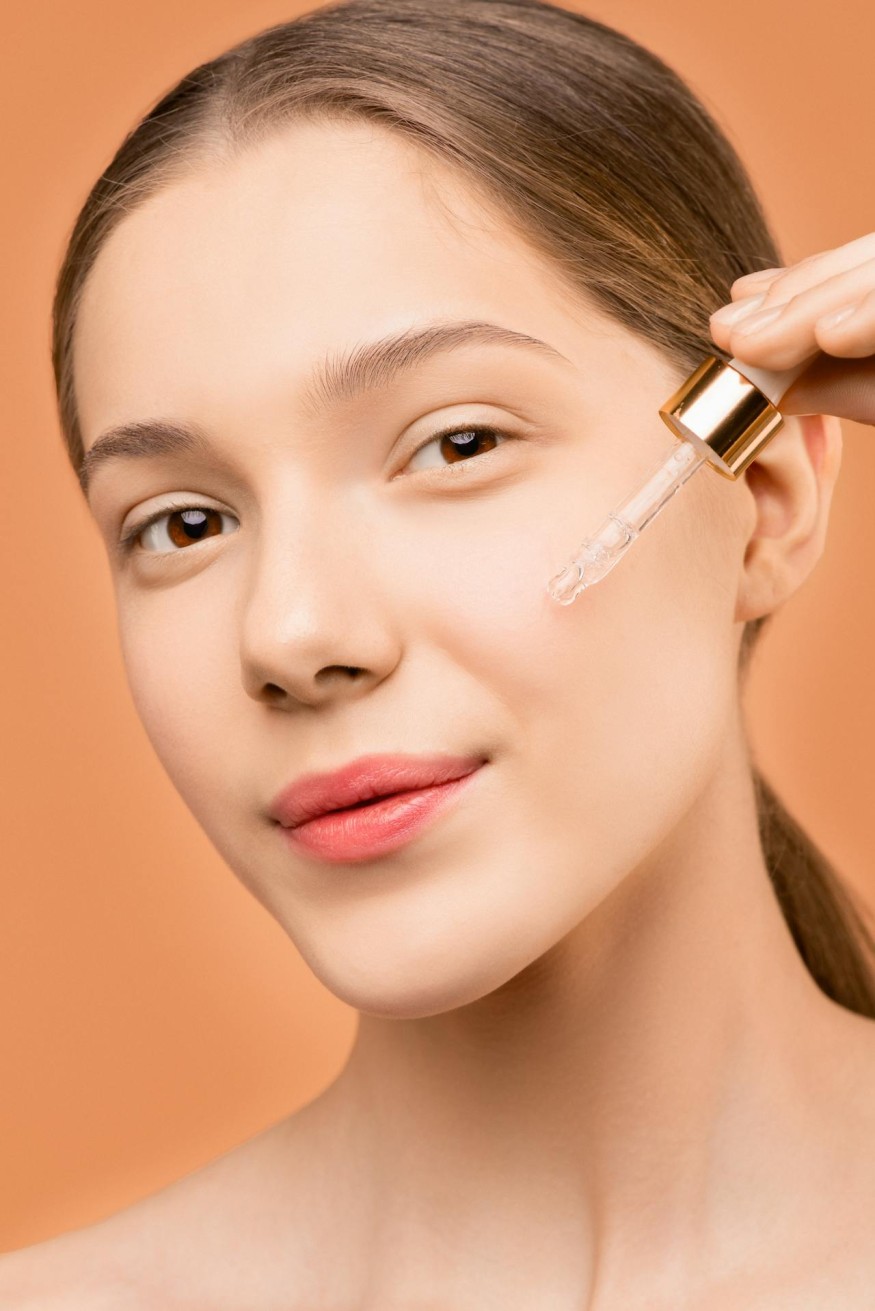
Is Face Oil Better Than Moisturiser?
Neither product is universally better. The effectiveness depends on skin needs rather than trends.
Moisturisers are more effective for:
- Dehydrated skin
- Damaged or weakened skin barriers
- Daily skincare hydration support
Face oils are more effective for:
- Locking in moisture
- Supporting dry or mature skin
- Enhancing skin softness and comfort
This comparison highlights why many skincare routines include both rather than choosing one over the other.
Which One Works Best for Your Skin Type?
Different skin types respond differently to hydration and oil-based products.
Dry Skin
Dry skin lacks both water and oil. Using a moisturiser first and sealing with a face oil often improves comfort and texture.
Oily or Acne-Prone Skin
Despite common assumptions, oily skin still needs skincare hydration.
- Lightweight, non-comedogenic moisturisers help balance oil production
- Face oils may be used sparingly or avoided depending on tolerance
Combination Skin
Combination skin benefits from targeted use.
- Moisturiser across the entire face
- Face oil applied only to drier areas
Sensitive Skin
Simple formulas matter most.
- Moisturisers help restore the barrier
- Oils can reduce irritation when used carefully
Can You Use Face Oil and Moisturiser at the Same Time?
Yes, and this approach often improves skincare hydration when done correctly.
Proper layering order
- Cleanse
- Apply water-based products and moisturiser
- Finish with face oil
This order allows hydration to enter the skin before the oil seals it in. Reversing the order can limit the effectiveness of moisturisers.
Using both products together is not about excess. It is about function and timing.
Common Mistakes People Make with Face Oils and Moisturisers
Several misunderstandings fuel the face oils vs moisturiser debate.
- Replacing moisturiser entirely with face oil
- Applying oil to dry skin without hydration underneath
- Assuming oily skin does not need moisturiser
- Overusing heavy oils in humid climates
Avoiding these mistakes helps maintain consistent skincare hydration rather than short-term comfort.
Choosing the Right Option for Your Routine
Climate, lifestyle, and skin condition all influence product choice.
In humid environments, lighter moisturisers may provide enough hydration without oils. In colder or drier climates, layering becomes more important. Seasonal changes can also shift what the skin needs, making flexibility more useful than strict rules.
Reading ingredient lists and understanding skin responses often matters more than following trends.
Face Oils vs Moisturiser: What Really Supports Skincare Hydration?
Skincare hydration depends on water content first, then moisture retention. Moisturisers address hydration directly, while face oils support the skin barrier by locking it in. When used with intention, they complement each other rather than compete.
Frequently Asked Questions
1. Is face oil necessary if I already use a moisturiser?
Face oil is not essential for everyone. It can be helpful for sealing in hydration, especially for dry or mature skin, but many people maintain healthy skin with moisturiser alone.
2. Can face oils cause breakouts?
Some oils can clog pores, particularly on acne-prone skin. Choosing lightweight, non-comedogenic oils and using them sparingly reduces this risk.
3. Should face oil be used morning or night?
Face oils are more commonly used at night when the skin focuses on repair. Some lightweight oils can be used during the day depending on skin type and climate.
4. Does oily skin still need skincare hydration?
Yes. Oily skin can still be dehydrated. Skipping moisturiser may increase oil production rather than reduce it, making hydration an important step for all skin types.