Hyaluronic acid has earned its reputation as one of the most talked-about ingredients in skincare, and for good reason. It holds up to 1,000 times its weight in water, making it a go-to for anyone chasing a plumper, more hydrated complexion. But here is the thing: many people who add it to their routine end up feeling drier than before. The ingredient is not the problem. The application usually is.
Understanding the most common hyaluronic acid mistakes is the first step toward getting the results the ingredient was actually designed to deliver.
What Hyaluronic Acid Actually Does
Before getting into the errors, it helps to understand what hyaluronic acid skincare is built around. HA is a humectant, meaning it draws moisture toward itself rather than creating it from scratch. It pulls water from its surrounding environment and holds it against the skin. That distinction matters because it is exactly what makes certain hyaluronic acid mistakes so counterproductive.
Read more: Niacinamide vs Hyaluronic Acid: The Skincare Ingredients Behind Plumper, Healthier Skin Hydration
Hyaluronic Acid Mistakes That Are Quietly Drying Out Skin
1. Applying it to completely dry skin
This is the most widespread of all hyaluronic acid mistakes, and it works directly against the ingredient's mechanism. When applied to a dry face with no ambient moisture available, HA has nowhere to draw water from except the deeper layers of the skin itself. The result? Skin that feels tighter after application rather than plumper.
Dry skin tip: Mist the face lightly with water or apply HA immediately after cleansing while skin is still slightly damp. That surface moisture gives the humectant something to work with.
2. Skipping the moisturizer afterward
A hyaluronic acid serum is not a standalone moisturizer. It lacks the occlusives and emollients needed to seal moisture in. Without a cream or oil layered on top, the water HA attracts simply evaporates, leaving skin feeling dry within hours. This is one of the most fixable hyaluronic acid skincare errors in the book.
- Always follow HA with a moisturizer suited to your skin type
- In very dry climates, a face oil over the top adds another layer of protection
- The order matters: serum goes on before cream, not after
3. Using it in a dry or air-conditioned environment
Low humidity changes the math entirely. When the air around the skin has little moisture to offer, HA pulls from deeper skin layers instead of the environment. Office spaces with heavy air conditioning or dry winter climates can turn an otherwise good routine into a dehydrating one. A small humidifier at a desk or bedside can genuinely shift results for those dealing with this problem.
4. Stacking too many HA products
More is not always better in hyaluronic acid skincare. Using a hyaluronic acid toner, followed by a hyaluronic acid serum, topped with a hyaluronic acid-rich moisturizer might sound thorough, but it can overload the skin. Certain forms of HA, particularly low molecular weight versions, have been linked to irritation when used in excess. Skin that should feel bouncy and calm ends up red and reactive.
- One HA-focused product per routine step is usually enough
- Let the other layers of your routine complement rather than duplicate
5. Using the wrong concentration for a compromised barrier
High concentrations of hyaluronic acid are not automatically better, especially for skin that is already sensitized or barrier-damaged. Eczema-prone or over-exfoliated skin may react poorly to very concentrated formulas. Starting with a lower concentration gives the skin time to adjust, and the results are often more consistent.
6. Layering in the wrong order
Product order is one of the most overlooked hyaluronic acid mistakes. HA serums should come after cleansing and toning but before heavier creams and oils. Applying a serum on top of a thick moisturizer means it never properly absorbs into the skin. The active never reaches where it needs to go.
Does Hyaluronic Acid Work for All Skin Types?
Yes, with the right approach. Hyaluronic acid is one of the few skincare ingredients compatible with essentially every skin type, including oily, sensitive, barrier-compromised, and mature skin. For oily skin, balanced hydration can actually help regulate excess oil production. For sensitive skin with conditions like eczema, choosing a gentle formula and following it with a fragrance-free moisturizer makes a significant difference.
What To Try If Hyaluronic Acid Keeps Causing Dryness
When the standard adjustments are not enough, switching to an alternative humectant may help. Glycerin is a reliable option, offering similar moisture-drawing benefits with a simpler molecular structure. Heparan sulfate is another ingredient gaining attention for its hydrating and barrier-supporting properties. Neither requires the same level of application precision as HA, which makes them useful alternatives for people still figuring out their routine.
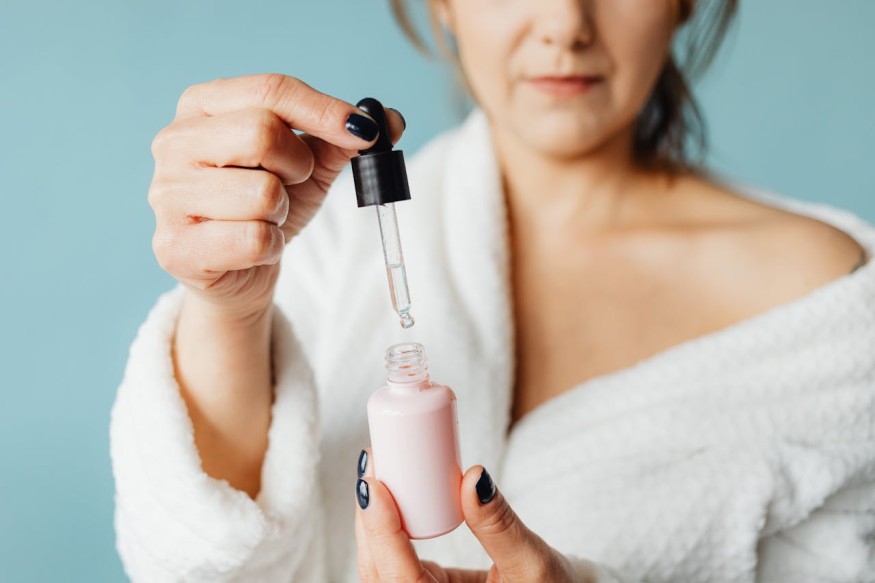
Build a Smarter Hyaluronic Acid Skincare Routine
Getting hyaluronic acid right comes down to a handful of consistent habits: damp skin before application, a sealing moisturizer immediately after, and awareness of the climate and humidity. Avoiding these hyaluronic acid mistakes will not just improve hydration levels. It will shift how the entire routine performs. Skin that is properly supported at the hydration layer responds better to everything else layered on top of it. These dry skin tips are a small investment for noticeably better results.
Frequently Asked Questions
1. Can hyaluronic acid make dry skin worse?
Yes, under certain conditions. When applied to dry skin in a low-humidity environment without a sealing moisturizer on top, hyaluronic acid can draw moisture from deeper skin layers instead of the surrounding air, leading to increased dryness.
2. What are the most common hyaluronic acid mistakes?
The most common errors include applying it to completely dry skin, skipping a moisturizer afterward, using it in dry or air-conditioned spaces without extra sealing, and layering too many hyaluronic acid products in the same routine.
3. Does hyaluronic acid have to be applied to damp skin?
It does not have to be, but it works best that way. Slightly damp skin gives the humectant a water source to bind to. Some formulations contain enough water content to offset the need for a damp face, but applying to misted or freshly cleansed skin remains the most reliable approach.
4. Why is hyaluronic acid not helping with dry skin?
Persistent dryness despite using HA often points to a damaged skin barrier, incorrect application technique, or a low-humidity environment. If the barrier is compromised, the skin may not be able to retain moisture regardless of what is applied. In this case, pairing HA with a ceramide-rich moisturizer and consulting a dermatologist may help.