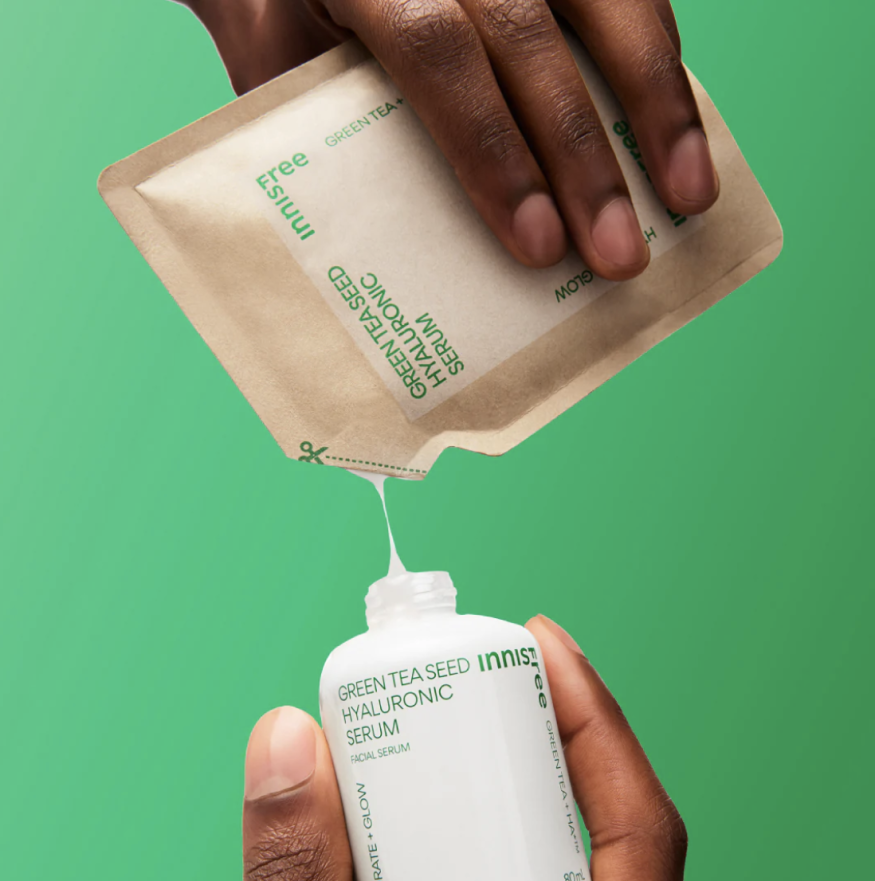
Innisfree has become one of the most recognizable names associated with modern K-beauty trends. Known for its Jeju Island branding and plant focused ingredients, the brand positions itself as approachable, affordable, and inspired by nature. But in a crowded skincare market filled with actives, acids, and dermatologist backed formulas, how well do its products actually perform?
This Innisfree review takes a closer look at the brand's philosophy, ingredient choices, best sellers, and overall value to determine whether it lives up to the hype or simply rides the K-beauty wave.
What Is Innisfree and Why Is It So Popular?
Founded in South Korea in 2000, Innisfree built its identity around ingredients sourced from Jeju Island. Green tea, volcanic clusters, and cherry blossom extracts became signature components of the brand's lineup.
Its popularity is closely tied to broader K-beauty trends, which emphasize:
- Lightweight layers instead of heavy creams
- Hydration focused routines
- Ingredient storytelling
- Gentle daily maintenance over aggressive treatments
As Korean skincare gained global traction, Innisfree expanded into major beauty retailers worldwide. The brand appeals particularly to beginners who want entry level skincare that feels curated but not intimidating.
Is Innisfree Really a Natural Skincare Brand?
One of the most common questions in any Innisfree review centers on its natural claims. The packaging and marketing heavily emphasize plant extracts and eco conscious sourcing.
In reality, the formulas combine botanical ingredients with synthetic stabilizers, preservatives, and fragrance. This approach is common in K-beauty. While many products contain recognizable plant extracts, they are not purely natural or organic in the strictest sense.
Consumers should note:
- Many formulas include added fragrance
- Some products contain alcohol for texture and absorption
- Ingredient lists balance plant extracts with lab formulated components
For shoppers who equate natural with fragrance free or minimalist formulas, expectations may need adjusting.
Best Selling Products Examined
Green Tea Seed Hyaluronic Serum
Green Tea Seed Hyaluronic Serum is one of the brand's most talked about items. Reformulated to include hyaluronic acid, it aims to deliver lightweight hydration.
Performance highlights:
- Absorbs quickly without stickiness
- Layers well under sunscreen and makeup
- Works best for normal to combination skin
Those with dry skin may need an additional cream, while oily skin types often appreciate its breathable texture. It aligns closely with K-beauty trends that prioritize hydration as the foundation of healthy skin.
Volcanic Pore Cleansing Foam
Volcanic Pore Cleansing Foam uses Jeju volcanic clusters to target oil and congestion.
Users often notice:
- A deep cleansing feel
- Reduced surface oil after washing
- A slightly tight sensation on dry skin
It performs well for oily and acne prone complexions, but may feel stripping for sensitive types. The cleanser illustrates how K-beauty brands balance gentle daily care with oil control benefits.
Cherry Blossom Glow Jelly Cream
Cherry Blossom Glow Jelly Cream focuses on brightening and hydration.
Key observations:
- Lightweight gel texture
- Subtle glow enhancing effect
- Suitable for humid climates
In warmer regions such as Southeast Asia, gel creams are particularly popular. This product reflects how K-beauty trends adapt to climate specific needs.
Is Innisfree Good for Acne Prone Skin?
This question frequently appears in search queries. The answer depends on the product.
Some formulations designed for pore care and oil control can benefit acne prone users. However, fragrance and certain emollients may irritate highly reactive skin.
Consider the following:
- Oily skin may benefit from the volcanic line
- Sensitive acne prone skin should patch test carefully
- Severe acne often requires dermatologist prescribed treatments
Innisfree products tend to focus on maintenance rather than medical level correction.
How Does Innisfree Compare to Other K-Beauty Brands?
Within the wider landscape of K-beauty trends, Innisfree occupies the accessible middle ground. It is more affordable than luxury Korean brands yet more curated than mass drugstore options.
Compared to trend driven brands that spotlight high percentages of actives, Innisfree leans toward balanced, everyday formulas.
Strengths include:
- Approachable price point
- Pleasant textures
- Widely available retail access
Limitations include:
- Fewer high strength treatment options
- Fragrance in many formulas
- Some products deliver subtle rather than dramatic results
Is Innisfree Worth the Money?
From a value perspective, most products fall within a reasonable mid range price bracket. For beginners exploring K-beauty trends, the brand offers a safe starting point.
What shoppers typically gain:
- Reliable hydration
- Sensory appeal
- Consistent packaging quality
What they may not gain:
- Rapid visible transformation
- Clinical strength resurfacing
- Highly concentrated actives
An Innisfree review often finds that expectations determine satisfaction. Those seeking gentle daily support tend to be more pleased than those expecting intensive correction.
Who Might Enjoy Innisfree the Most?
Innisfree often works best for:
- Teens and skincare beginners
- Combination to oily skin types
- Fans of lightweight layering routines
- Consumers drawn to botanical themes
Those with very sensitive or fragrance reactive skin should review ingredient lists closely before committing.
Innisfree Review Verdict: Does It Live Up to K-Beauty Trends?
Innisfree reflects many of the defining features of K-beauty trends, including hydration first formulas, visually appealing textures, and ingredient storytelling rooted in nature. It does not position itself as a clinical skincare powerhouse. Instead, it serves as a dependable everyday option that fits into simple routines.
For consumers who value approachable pricing and pleasant textures, the brand often delivers. For those seeking high potency actives or fragrance free minimalism, alternatives may be more suitable. As with most skincare, results vary based on skin type, climate, and routine consistency.
Frequently Asked Questions
1. Is Innisfree cruelty free?
Innisfree states that it does not test finished products on animals, but policies can vary by region. Shoppers concerned about cruelty free certification should check current official disclosures.
2. Are Innisfree products suitable for sensitive skin?
Some products may work for mild sensitivity, but fragrance is common in the lineup. Patch testing is recommended.
3. How long does it take to see results?
Hydration benefits are usually noticeable within days. Brightening or texture improvements may take several weeks of consistent use.
4. Where can consumers buy Innisfree products?
Innisfree products are widely available through global beauty retailers and official brand stores, both online and in physical locations.