The global skincare market has never been more interconnected. Korean brands line the shelves of Western retailers, while clinical serums developed in the United States and Europe dominate social feeds worldwide. The discussion around K-beauty vs western skincare continues to grow, especially among consumers looking to build effective skin habits rather than chase short-term trends.
Both approaches offer distinct philosophies, ingredient strategies, and routine structures. Understanding their differences can help readers decide which system aligns better with their skin type, lifestyle, and long-term goals.
What Defines K-Beauty?
K-beauty refers to skincare brands and routines developed in South Korea. Its philosophy centers on prevention, hydration, and maintaining a strong skin barrier.
Instead of aggressively correcting issues after they appear, K-beauty emphasizes nurturing the skin daily to prevent concerns such as dehydration, irritation, and premature aging.
Core characteristics of K-beauty
- Multi-step routines that often include cleanser, toner, essence, serum, ampoule, moisturizer, and sunscreen
- Lightweight layers designed to hydrate without overwhelming the skin
- Frequent use of ingredients like centella asiatica, snail mucin, fermented extracts, and green tea
- A focus on achieving radiant, smooth skin often described as glass skin
This approach encourages consistency and patience. Results tend to develop gradually as the skin barrier strengthens over time.
Read more: How Middle Eastern Beauty Is Redefining Fragrance Trends and Influencing Global Makeup Trends
What Defines Western Skincare Brands?
Western skincare brands, particularly those rooted in dermatology, often prioritize clinical efficacy and active ingredients.
The philosophy typically centers on targeting specific concerns such as acne, hyperpigmentation, or fine lines using concentrated treatments.
Core characteristics of western skincare
- Streamlined routines with fewer steps
- High-potency actives like retinol, AHAs, BHAs, and vitamin C
- Strong emphasis on clinical testing and visible improvement
- Problem-solution positioning in marketing and product development
Western routines often focus on faster visible change. However, improper use of strong actives can compromise the skin barrier if not balanced carefully.
K-Beauty vs Western Skincare: Philosophical Differences
When comparing K-beauty vs western skincare, the contrast often begins with mindset.
Prevention vs correction
K-beauty promotes daily hydration and gentle care to prevent damage. Western skincare frequently addresses concerns after they become visible.
Layering vs potency
K-beauty builds hydration through multiple lightweight steps. Western brands rely on fewer products with higher concentrations.
Barrier-first vs results-first
K-beauty routines often prioritize barrier health as the foundation. Western approaches may focus first on resurfacing, exfoliating, or stimulating collagen production.
Neither system is inherently superior. Effectiveness depends on skin type, product formulation, and user consistency.
Which Approach Encourages More Effective Skin Habits?
Developing effective skin habits involves more than choosing a region or trend. It requires sustainability, consistency, and proper ingredient use.
Habits encouraged by K-beauty
- Daily sunscreen application as a non-negotiable step
- Gentle cleansing methods
- Hydration layering to maintain moisture balance
- Regular sheet masking or calming treatments
These steps can reinforce daily discipline, especially for individuals willing to invest time in skincare.
Habits encouraged by western skincare
- Understanding active ingredients and how they function
- Incorporating retinoids or exfoliants strategically
- Tracking visible improvements over time
- Simplifying routines for practicality
For individuals with limited time, fewer steps may improve adherence and long-term consistency.
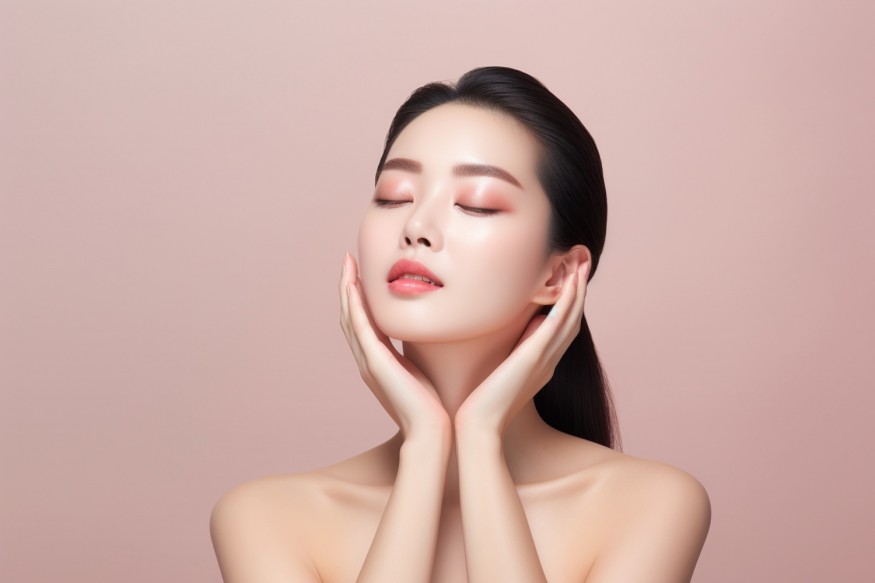
Is Korean Skincare Better Than Western Skincare?
The idea that one system is universally better oversimplifies a complex comparison.
K-beauty may be more suitable for:
- Sensitive or reactive skin
- Individuals new to skincare
- Those prioritizing hydration and glow
Western skincare may be more suitable for:
- Persistent acne or pigmentation concerns
- Individuals seeking faster visible results
- Users comfortable with active ingredients
Effectiveness depends on product formulation and personal skin response rather than country of origin.
Why Is Korean Skincare Often Considered So Effective?
Several factors contribute to its reputation:
- Early adoption of innovative ingredients
- Affordable pricing across many brands
- Emphasis on sunscreen and prevention
- Cultural normalization of daily skincare routines
The structured routine itself may promote consistency, which is a key factor in achieving noticeable results.
Do Dermatologists Recommend K-Beauty Products?
Dermatologists generally focus on ingredients rather than brand geography. If a product contains well-formulated, evidence-backed ingredients and suits a patient's skin type, it may be recommended regardless of whether it is Korean or Western.
In recent years, many dermatology professionals have acknowledged the barrier-supportive benefits of certain K-beauty formulations, especially for sensitive skin.
Can You Combine Both Approaches?
Many consumers no longer view the debate as strictly K-beauty vs western skincare. Instead, they adopt hybrid routines.
A balanced example might include:
- A gentle Korean cleanser and hydrating toner
- A Western retinol or vitamin C serum
- A Korean moisturizer focused on barrier repair
- Daily sunscreen from either market
This blended strategy can support both prevention and targeted correction, reinforcing effective skin habits without overcomplicating the routine.
Building Effective Skin Habits That Last
Long-term skin improvement rarely comes from a single viral product. Sustainable routines matter more than trends.
Strong habits often include:
- Consistent sunscreen use
- Avoiding over-exfoliation
- Monitoring skin reactions to active ingredients
- Adjusting routines based on seasonal changes
Whether following K-beauty, western skincare, or a combination of both, discipline and informed choices remain the driving factors behind healthy skin.
K-Beauty vs Western Skincare: Finding the Right Balance for Long-Term Results
The comparison between K-beauty vs western skincare highlights two distinct yet complementary philosophies. One leans into prevention and barrier care. The other prioritizes targeted correction and clinical actives. For many individuals, the most effective strategy lies in understanding personal skin needs and adopting habits that can be maintained consistently over time.
Rather than choosing sides, informed consumers increasingly focus on building effective skin habits that support both immediate goals and long-term skin health.
Frequently Asked Questions
1. Is the 10-step Korean skincare routine necessary?
No. Many dermatologists and skincare professionals suggest tailoring routines to individual needs. A simplified version with cleansing, moisturizing, and sunscreen can still be effective.
2. Are Western skincare products stronger than K-beauty products?
Western brands often emphasize higher concentrations of actives like retinol or acids. However, K-beauty brands also offer potent treatments. Strength varies by formulation.
3. Which approach is better for acne-prone skin?
Acne-prone individuals may benefit from Western active treatments combined with gentle, barrier-supportive hydration often found in K-beauty.
4. Can effective skin habits reduce the need for strong treatments?
Consistent sunscreen use, gentle cleansing, and proper hydration can prevent many issues from worsening, potentially reducing reliance on aggressive treatments over time.