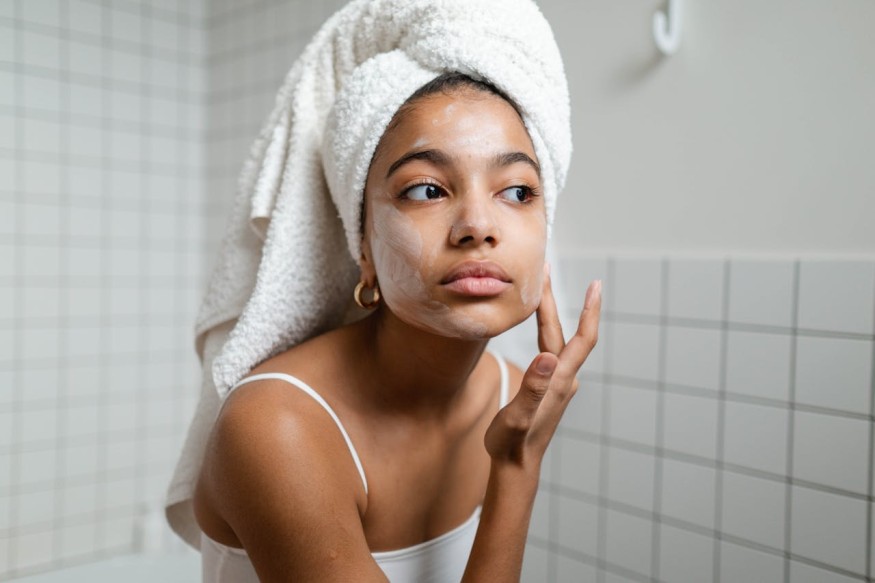
The demand for ethical beauty continues to grow as shoppers pay closer attention to how cosmetics are made, tested, and sourced. Labels like "vegan" and "cruelty-free" appear on everything from lipsticks to moisturizers, yet many consumers still feel unsure about what they actually mean.
Understanding vegan vs cruelty-free beauty is essential for anyone who wants to align their purchases with personal values. While the terms are often used together, they are not interchangeable. Each represents a different standard within the broader ethical beauty movement.
What Does Vegan Beauty Mean?
Vegan beauty refers to products made without animal-derived ingredients. This includes both obvious and hidden ingredients that come from animals or animal byproducts.
A vegan beauty product does not contain:
- Beeswax
- Lanolin
- Collagen derived from animals
- Carmine made from crushed insects
- Gelatin
- Silk proteins
Instead, plant-based or synthetic alternatives are used. For example, plant waxes can replace beeswax, and botanical oils may replace lanolin.
It is important to note that vegan labeling focuses on ingredients only. It does not automatically address whether a product has been tested on animals. This distinction is central to the discussion of vegan vs cruelty-free beauty.
Read more: Vegan Beauty Products to Try
What Does Cruelty-Free Beauty Mean?
Cruelty-free beauty refers to products that are not tested on animals at any stage of development. This typically includes:
- The finished product
- Individual ingredients
- Third-party testing conducted on behalf of the brand
Cruelty-free standards focus on animal testing practices rather than ingredient sourcing. A product may still contain animal-derived ingredients and be labeled cruelty-free as long as no animal testing was involved.
This difference is one reason confusion around vegan vs cruelty-free beauty persists. A lipstick containing beeswax could still be cruelty-free if it was never tested on animals.
Vegan vs Cruelty-Free Beauty: The Key Differences
Although both labels fall under the umbrella of ethical beauty, they represent separate commitments.
Here is how they differ:
Vegan Beauty
- No animal-derived ingredients
- May or may not involve animal testing
Cruelty-Free Beauty
- No animal testing
- May still contain animal-derived ingredients
A product can fall into one of three categories:
- Vegan but not cruelty-free
- Cruelty-free but not vegan
- Both vegan and cruelty-free
Many consumers seeking ethical beauty prefer products that meet both standards. However, checking for both claims is essential rather than assuming one guarantees the other.

Are Vegan Products Always Cruelty-Free?
One of the most common questions about vegan vs cruelty-free beauty is whether vegan products are automatically cruelty-free. The answer is no.
A brand could use only plant-based ingredients while still allowing animal testing in certain markets where testing may be required for regulatory approval. In such cases, the product would technically be vegan but not cruelty-free.
This highlights the importance of looking beyond front-label claims. Ingredient lists tell only part of the story. Testing policies and brand transparency matter just as much.
How to Tell if a Product Is Truly Ethical
Navigating ethical beauty can feel overwhelming, especially with inconsistent labeling standards across regions. Shoppers can take several practical steps to make informed decisions.
Look for Recognized Certifications
Independent certification programs often verify claims more rigorously than brand statements alone. Logos from trusted organizations can signal compliance with cruelty-free or vegan standards.
Read Ingredient Lists Carefully
If a product claims to be vegan, scan for common animal-derived ingredients. Ingredient transparency supports informed purchasing.
Review Brand Policies
Many brands publish detailed statements about their stance on animal testing and ingredient sourcing. Look for clarity regarding:
- Supplier testing policies
- Third-party testing
- Market-specific requirements
Understand Legal Differences by Region
Animal testing regulations vary by country. Some regions have banned cosmetic animal testing, while others still require it in certain situations. Ethical beauty standards may shift depending on where products are sold.
Why Ethical Beauty Is Gaining Momentum
The rise of vegan vs cruelty-free beauty reflects broader cultural changes. Consumers increasingly want transparency about what they put on their skin and how it impacts the world around them.
Several factors contribute to this shift:
- Increased awareness of animal welfare
- Greater access to ingredient information online
- Environmental concerns tied to sourcing practices
- Social media discussions highlighting ethical brands
Ethical beauty is no longer considered niche. Many mainstream brands now offer vegan or cruelty-free lines to meet evolving expectations.
Is Vegan Beauty Better for Your Skin?
Another frequent question is whether vegan products are inherently better for skin health. The answer depends on formulation rather than label.
Vegan ingredients can be nourishing and effective, but plant-based does not automatically mean gentler or safer. Some botanical ingredients can irritate sensitive skin, while certain synthetic ingredients may be well tolerated.
Similarly, cruelty-free status does not influence product performance directly. Testing practices relate to ethics rather than skin compatibility.
When evaluating products in the vegan vs cruelty-free beauty space, consumers should consider:
- Skin type and sensitivities
- Ingredient concentrations
- Dermatological testing
- Overall formulation quality
Ethical beauty and effective skincare can coexist, but one does not guarantee the other.
The Future of Vegan vs Cruelty-Free Beauty
As technology advances, alternatives to animal-derived ingredients continue to expand. Lab-created compounds and plant-based innovations allow brands to reformulate without sacrificing texture or performance.
Regulatory changes in various markets may also shape how cruelty-free standards evolve. Greater global alignment could reduce confusion and strengthen consumer trust.
The conversation around vegan vs cruelty-free beauty is part of a larger movement toward accountability and informed purchasing. Shoppers are no longer satisfied with vague claims. Clear labeling and transparent sourcing are becoming expected rather than optional.
Making Sense of Vegan vs Cruelty-Free Beauty in Today's Ethical Beauty Market
Understanding the difference between vegan and cruelty-free labels empowers consumers to make choices that reflect their priorities. Vegan beauty focuses on ingredients, while cruelty-free beauty addresses animal testing. Both play important roles in the broader ethical beauty landscape.
By reading labels carefully, researching brand policies, and recognizing that the two terms are not interchangeable, shoppers can navigate the market with greater confidence and clarity.
Frequently Asked Questions
1. Is vegan the same as cruelty-free in beauty products?
No. Vegan refers to the absence of animal-derived ingredients, while cruelty-free refers to the absence of animal testing. A product can meet one standard without meeting the other.
2. Can a product be cruelty-free but not vegan?
Yes. A product may avoid animal testing yet still contain ingredients like beeswax or lanolin.
3. How can shoppers verify ethical beauty claims?
Consumers can look for recognized certification logos, read ingredient lists, and review brand testing policies to confirm whether a product aligns with vegan vs cruelty-free beauty standards.
4. Why is ethical beauty important to many consumers?
Ethical beauty reflects concerns about animal welfare, transparency, and responsible sourcing. Many shoppers view it as part of making more informed and values-driven purchasing decisions.