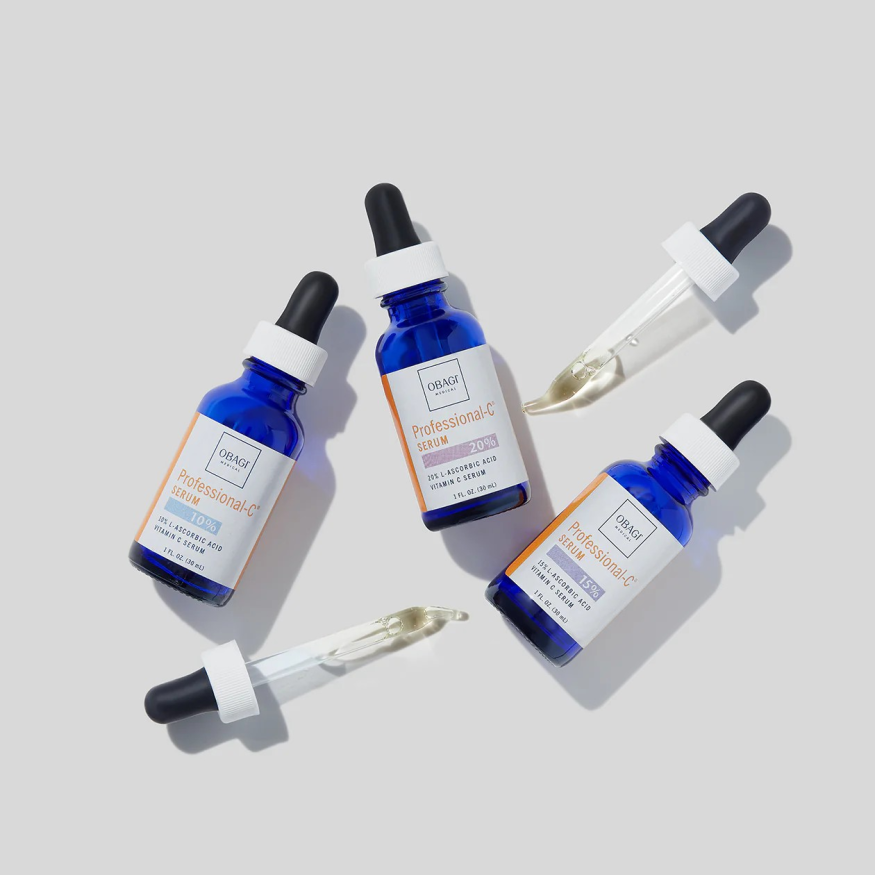
Vitamin C has become a cornerstone ingredient in brightening skincare routines. It is praised for its ability to improve uneven tone, support collagen, and bring visible radiance to dull skin. Yet one question continues to surface in skincare discussions: vitamin C serum vs cream, which works better?
The answer depends on formulation, skin type, and how each product fits into a daily routine. Understanding the differences helps readers choose the option that delivers results without irritation or wasted effort.
What Vitamin C Does in Brightening Skincare
Vitamin C is an antioxidant that helps neutralize free radicals from pollution and UV exposure. In skincare, its role goes beyond protection. It actively supports brighter looking skin and improved clarity.
Key benefits include:
- Helping fade the appearance of dark spots over time
- Supporting a more even skin tone
- Enhancing natural radiance
- Encouraging smoother looking texture
These benefits are consistent across formats, but how effectively vitamin C performs depends on how it is delivered to the skin.
What Is a Vitamin C Serum?
A vitamin C serum is a lightweight, water or gel-based product designed for fast absorption. Serums typically contain higher concentrations of active ingredients compared to creams.
Common characteristics of vitamin C serums:
- Thin texture that absorbs quickly
- Higher percentage of vitamin C
- Designed to penetrate deeper layers of the skin
Because of this structure, serums are often favored in brightening skincare routines focused on visible tone correction and glow.
Why people choose serums
- Faster absorption makes them suitable for layering
- Often deliver quicker visible results
- Preferred for oily or combination skin types
What Is a Vitamin C Cream?
Vitamin C creams combine the brightening benefits of vitamin C with moisturizing ingredients. They tend to have a thicker texture and serve both as treatment and hydration.
Typical features of vitamin C creams include:
- Creamy or lotion-like consistency
- Lower vitamin C concentration than serums
- Added emollients and occlusives for moisture retention
For those with dry or sensitive skin, creams often feel more comfortable and less likely to cause irritation.
Why people choose creams
- Provide hydration alongside brightening skincare benefits
- Gentler feel on the skin
- Simplify routines by combining treatment and moisture
Vitamin C Serum vs Cream: Key Differences
The debate around vitamin C serum vs cream usually comes down to performance and skin compatibility.
Texture and absorption
- Serums absorb quickly and leave minimal residue
- Creams sit longer on the skin and seal in moisture
Potency
- Serums often contain stronger concentrations
- Creams focus on gradual improvement
Skin type compatibility
- Serums suit oily, acne-prone, or combination skin
- Creams work well for dry, sensitive, or mature skin
Neither option is universally better. The right choice depends on how the skin reacts and what the routine aims to achieve.

Which Works Better for Brightening Skincare?
When the goal is visible brightness and clarity, serums tend to show faster results. Their lightweight structure allows vitamin C to reach deeper layers where pigmentation and dullness originate.
That said, creams play a valuable role in brightening skincare as well. For individuals whose skin barrier needs support, consistent use of a vitamin C cream can lead to steady improvement without irritation.
In practice:
- Serums are often chosen for targeted brightening
- Creams support long-term radiance and comfort
The effectiveness of vitamin C is not just about strength. Consistency and skin tolerance matter just as much.
Vitamin C Serum vs Cream by Skin Type
Choosing between serum and cream becomes easier when skin type is considered.
Oily or acne-prone skin
- Lightweight serums reduce the risk of clogged pores
- Faster absorption feels more comfortable during the day
Dry or sensitive skin
- Creams provide moisture while delivering brightening benefits
- Lower irritation potential
Combination skin
- Serum in the morning with a neutral moisturizer
- Cream at night for hydration support
Matching the format to skin needs improves results and reduces the chance of discomfort.
Can Vitamin C Serum and Cream Be Used Together?
Yes, they can be used in the same routine when layered correctly.
A common approach includes:
- Applying vitamin C serum first on clean skin
- Following with a moisturizer or vitamin C cream to seal hydration
This method allows the serum to deliver actives while the cream supports the skin barrier. Overuse, however, can increase sensitivity, so moderation matters.
Common Myths About Vitamin C Serum vs Cream
Several misconceptions affect how people approach brightening skincare.
- Higher concentration does not always mean better results
- Tingling does not indicate effectiveness
- Creams are not weaker by default
Understanding formulation rather than hype leads to better decisions.
Vitamin C Serum vs Cream: Choosing the Right Fit for Radiant Skin
Rather than asking which product wins outright, the better question is which one fits the skin's needs and lifestyle. Vitamin C serum vs cream is not a competition but a choice between intensity and comfort. Both can support brighter looking skin when used correctly and consistently.
Brightening skincare works best when it respects the skin barrier, aligns with skin type, and becomes part of a routine that is easy to maintain.
Frequently Asked Questions
1. Is vitamin C serum better than cream for brightening skincare?
Vitamin C serums are often more effective for faster brightening due to higher concentration and deeper absorption. Creams provide slower but steadier results with added hydration.
2. Can sensitive skin use vitamin C serum?
Sensitive skin can use vitamin C serum, but lower concentrations or buffered formulas are usually better tolerated than highly potent versions.
3. Should vitamin C be used in the morning or at night?
Vitamin C is commonly used in the morning to support antioxidant protection, but it can also be applied at night depending on routine preference.
4. How long does it take to see results from vitamin C products?
Visible brightening typically appears within four to eight weeks with consistent use, regardless of whether a serum or cream is chosen.