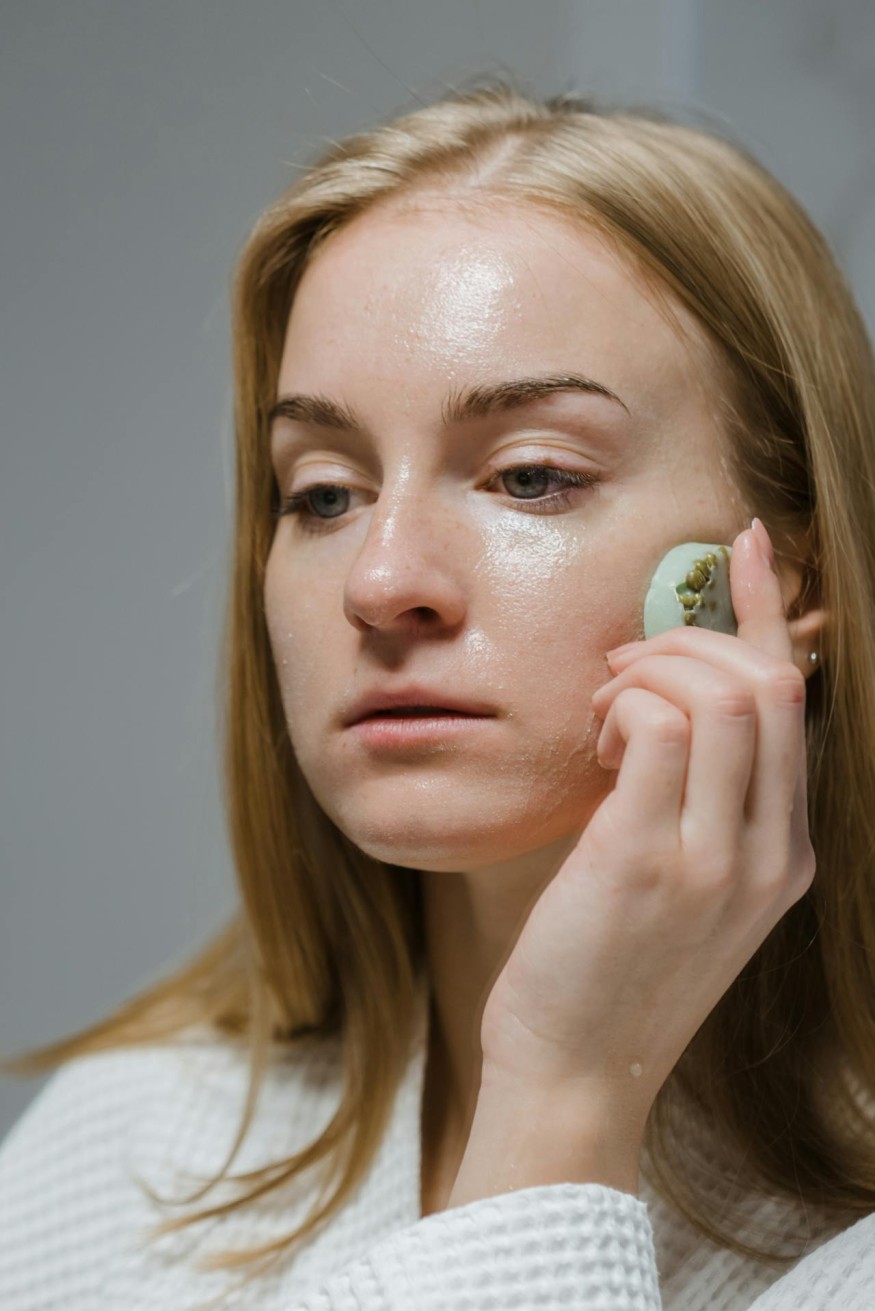
Online skincare trends move fast. A routine goes viral, results look instant, and suddenly thousands of people are copying it without knowing whether it fits their skin at all. Dermatologist warnings often trail behind the hype, even though many of these trends raise long term skin health concerns. This article takes an objective look at seven skincare trends dermatologists consistently caution against and explains why they continue to cause more harm than good.
1. Over-Exfoliating With Acids and Physical Scrubs
Chemical exfoliants and scrubs are often promoted as shortcuts to smoother, brighter skin. The problem appears when exfoliation becomes daily or excessive.
Dermatologists point out that skin needs time to repair itself. When acids or scrubs are used too often, the protective barrier weakens. That leads to sensitivity, redness, and increased breakouts.
Common warning signs include:
- Stinging when applying basic products
- Sudden dryness paired with oiliness
- Makeup separating or clinging to patches
One of the most repeated dermatologist warnings around skincare trends is that exfoliation should support skin renewal, not strip it down.
2. DIY Skincare Recipes From Social Media
Homemade skincare using kitchen ingredients remains popular despite years of professional pushback. Lemon juice, baking soda, toothpaste, and raw vinegar are still promoted for acne and pigmentation.
From a clinical perspective, these ingredients are unpredictable and often too harsh for facial skin. Many disrupt pH balance or cause chemical burns that lead to post-inflammatory hyperpigmentation.
Why dermatologists advise against DIY skincare:
- Household ingredients are not formulated for skin safety
- Concentration levels vary each time
- Damage may appear weeks after use
Natural does not automatically mean safe, especially when it comes to facial skin.
3. Slugging Without Considering Skin Type
Slugging refers to sealing the skin with an occlusive product, usually petroleum based, to lock in moisture overnight. While it can help severely dry skin, it is often copied blindly across all skin types.
For acne-prone or sensitive skin, slugging can trap oil, bacteria, and sweat. That creates an environment where breakouts and irritation thrive.
Dermatologist warnings often stress that:
- Occlusives do not hydrate on their own
- Skin conditions matter more than trends
- What works in winter may fail in humid climates
This is one skincare trend where context matters more than popularity.
4. Skipping Sunscreen in Daily Routines
Sunscreen avoidance is still one of the most damaging skincare trends. Many people skip it indoors, on cloudy days, or when focused on brightening routines.
Dermatologists consistently warn that no skincare routine works without sun protection. UV exposure contributes to premature aging, hyperpigmentation, and weakened skin structure.
Key reminders professionals emphasize:
- UVA rays penetrate windows
- Treatment products increase sun sensitivity
- Sun damage accumulates silently
Ignoring sunscreen often cancels out the benefits of every other product used.
5. Layering Too Many Active Ingredients at Once
Multi-step routines packed with actives are often framed as advanced skincare. In reality, mixing strong ingredients without guidance increases irritation risk.
Retinoids, exfoliating acids, vitamin C, and benzoyl peroxide all have benefits on their own. When layered improperly, they overwhelm the skin.
Common results dermatologists see include:
- Sudden breakouts mistaken for purging
- Burning or peeling that worsens over time
- Inconsistent results despite expensive products
One of the clearest dermatologist warnings around skincare trends is that more products rarely mean better results.
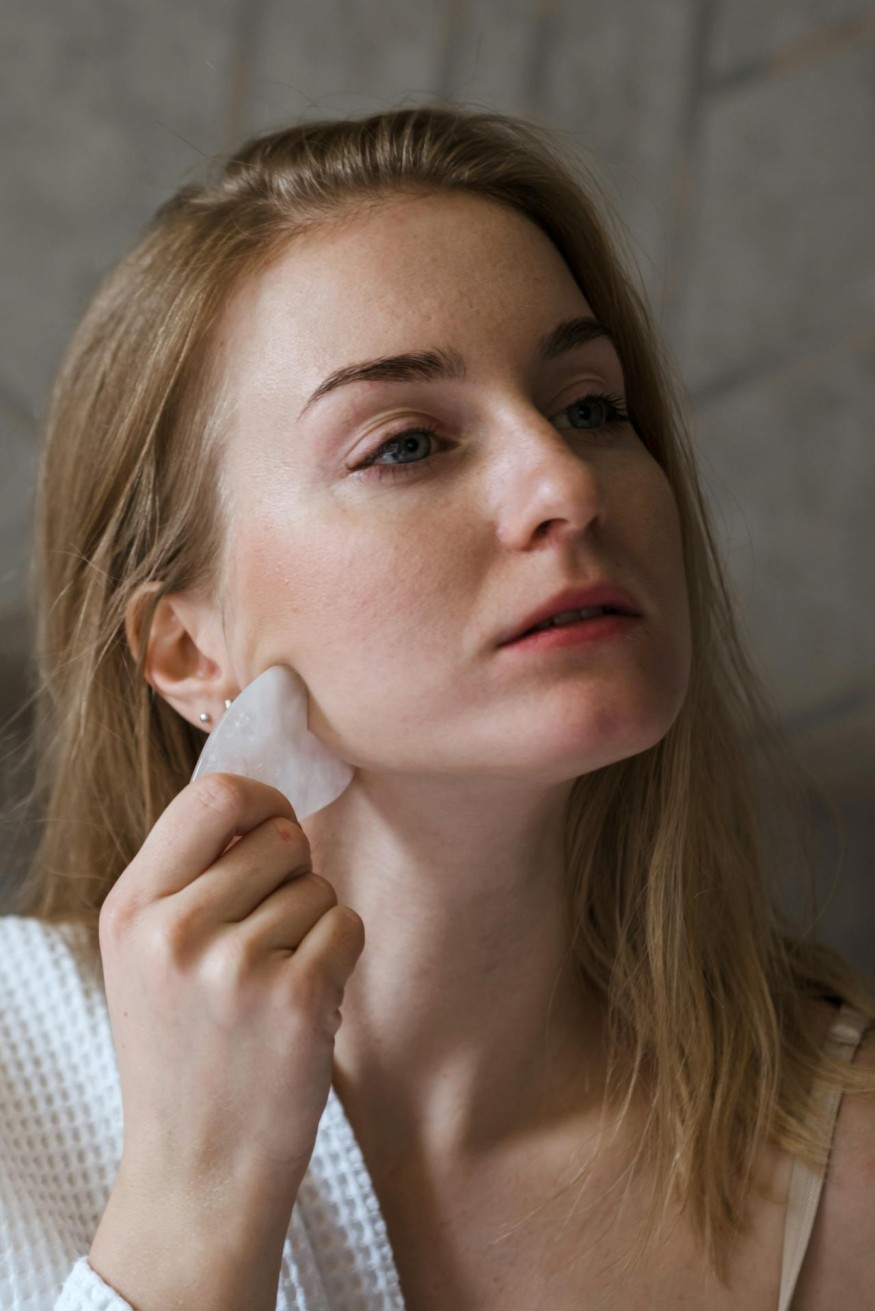
6. Copying Influencer Routines Instead of Skin Needs
Many skincare trends are built around influencer routines rather than dermatological logic. What works for one person may not suit another due to genetics, climate, lifestyle, or underlying conditions.
Skin concerns such as acne, rosacea, or melasma require targeted care. Copying routines without understanding skin type often delays proper treatment.
Dermatologists caution that:
- Skin reacts differently based on biology
- Visible results online may be filtered or temporary
- Self-diagnosis leads to mistreatment
Trends prioritize aesthetics, while skin health requires personalization.
7. Expecting Instant Results From Aggressive Treatments
Quick transformations sell well online, but skin operates on cycles that take weeks, not days. Many skincare trends promise overnight changes through intense treatments or constant product switching.
Dermatologist warnings emphasize that aggressive approaches disrupt natural repair processes. This often leads to rebound oiliness, inflammation, and long recovery periods.
Healthier skincare expectations include:
- Gradual improvement over four to eight weeks
- Consistency rather than constant changes
- Supporting barrier function first
Skin health is cumulative, not instant.
Why Dermatologists Urge Caution With Viral Skincare Trends
Dermatologists are not anti-trend. Their concern lies in how trends are applied without education or context. Skincare trends often prioritize speed and visibility, while dermatologist warnings focus on prevention and long-term outcomes.
Understanding how skin functions helps explain why many popular routines fail. When trends ignore biology, the skin eventually responds with irritation, breakouts, or uneven texture.
Frequently Asked Questions
1. Why do dermatologists warn against viral skincare trends?
Many skincare trends spread without clinical testing or personalization. Dermatologist warnings exist because improper use can damage the skin barrier and worsen existing conditions.
2. Are all skincare trends bad for skin health?
No. Some skincare trends are beneficial when adapted correctly. The issue arises when trends are followed without understanding skin type, frequency, or ingredient compatibility.
3. How can someone tell if a skincare trend is unsafe?
Warning signs include burning, persistent redness, sudden breakouts, or peeling. If symptoms worsen after two weeks, dermatologists recommend stopping the trend.
4. What matters more than following skincare trends?
Consistency, sun protection, and barrier support matter more than trends. Dermatologists prioritize routines that protect skin long term rather than chase fast results.