Long-lasting makeup is less about piling on products and more about understanding how each step works. Few beauty debates come up as often as setting powder vs spray, especially among people trying to keep foundation fresh, smooth, and intact for hours. Both products promise lasting makeup, but they function very differently. Knowing what each one does makes it easier to choose the right option or decide if using both actually helps.
What Is the Difference Between Setting Powder and Setting Spray?
Setting powder and setting spray are often grouped together, but they solve different problems.
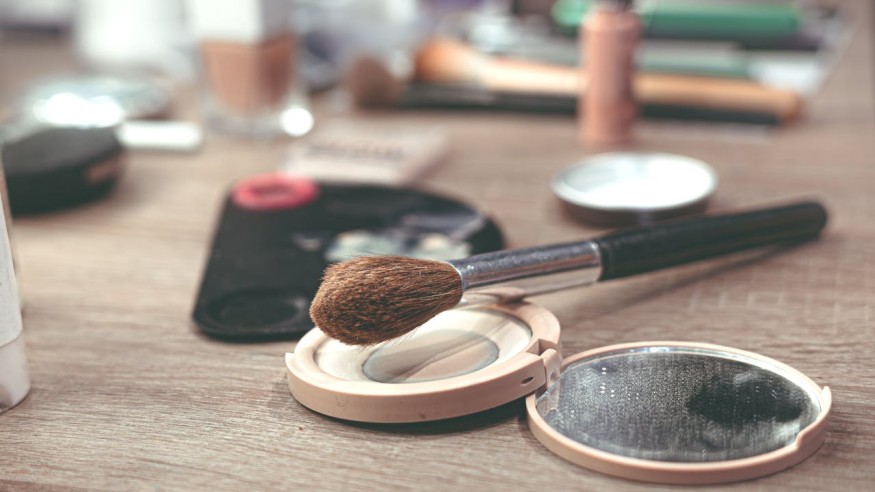
Setting powder is typically a loose or pressed product applied with a brush, puff, or sponge. Its main role is to absorb moisture and oil. This helps liquid and cream makeup set into place.
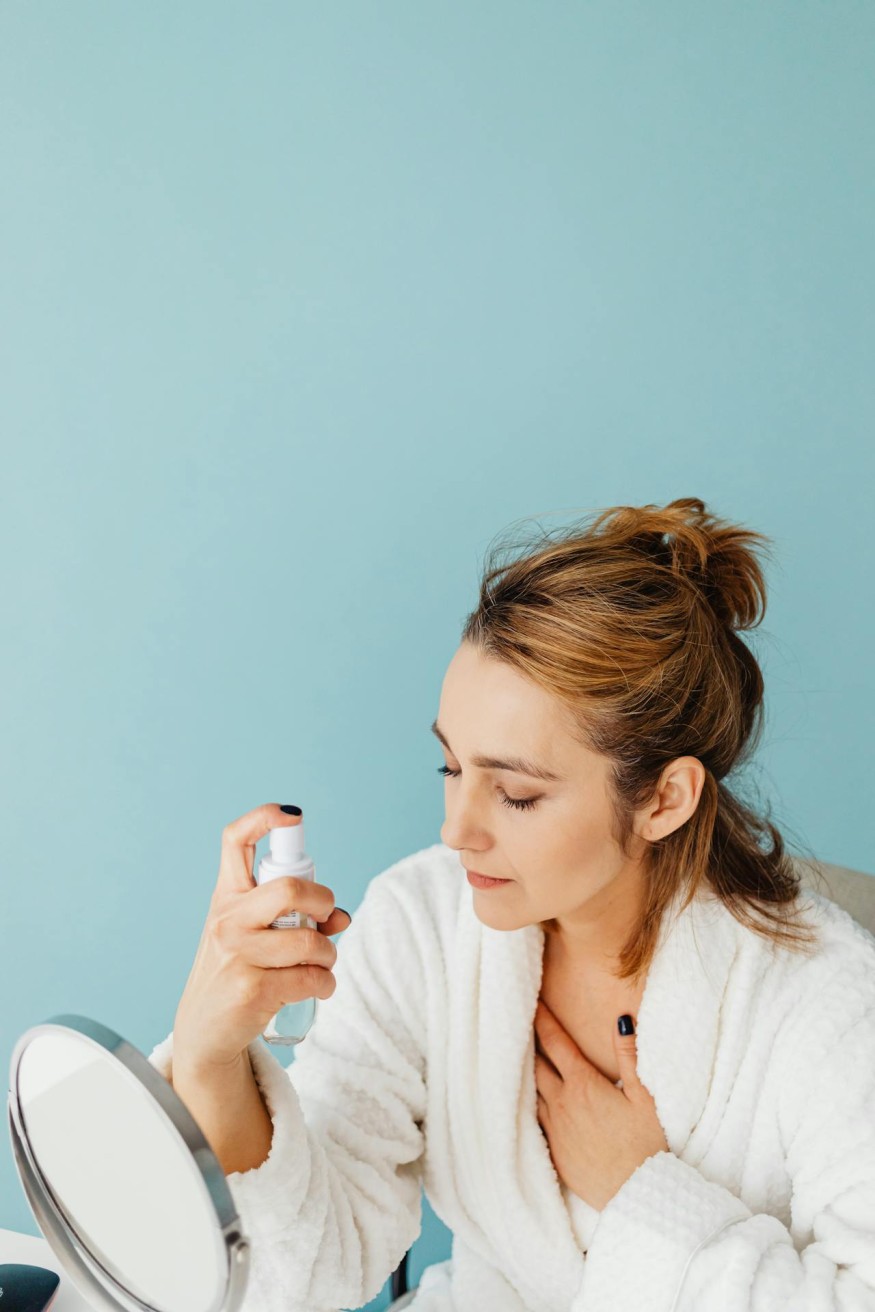
Setting spray is a liquid mist applied as the final step. Instead of absorbing oil, it forms a lightweight film over makeup that helps reduce fading, separation, and transfer.
In short:
- Powder focuses on control and structure
- Spray focuses on cohesion and longevity
What Does Setting Powder Do for Makeup?
Setting powder works at a more mechanical level. It interacts with the wet elements of makeup and helps them dry down.
Key benefits include:
- Absorbing excess oil that can break down foundation
- Reducing creasing under the eyes and around the nose
- Adding a smoother, more even finish
Setting powder is especially useful during these moments:
- After applying liquid foundation or concealer
- In areas prone to shine like the T-zone
- When makeup needs to stay matte for longer periods
However, too much powder can make skin look flat or emphasize texture, especially on dry areas.
What Does Setting Spray Do for Makeup?
Setting spray works by sealing layers together rather than absorbing anything. Once misted over the face, it dries into a flexible layer that helps makeup move less throughout the day.
Setting spray helps with:
- Preventing makeup from sliding or fading
- Reducing a powdery or cakey appearance
- Improving wear time in heat or humidity
Many sprays also affect the final look of makeup. Depending on the formula, they can leave skin looking:
- Natural
- Dewy
- Softly matte
Because it does not control oil directly, setting spray alone may not be enough for very oily skin.
Which Lasts Longer: Setting Powder or Setting Spray?
When comparing setting powder vs spray, longevity depends on what is causing makeup to break down.
Setting powder tends to last longer when:
- Oil is the main issue
- Makeup creases or melts quickly
- Skin produces shine within a few hours
Setting spray tends to perform better when:
- Makeup fades or transfers
- Layers separate throughout the day
- Heat and humidity are major factors
For truly lasting makeup, many routines combine both. Powder controls oil early on, while spray locks everything in at the end.
Is Setting Powder or Setting Spray Better for Oily Skin?
Oily skin benefits more immediately from setting powder, but that does not mean spray has no role.
Setting powder helps oily skin by:
- Absorbing excess sebum
- Keeping foundation from slipping
- Reducing shine in targeted areas
Setting spray helps oily skin when:
- Used after powder to seal it in
- Makeup tends to separate midday
- The environment is hot or humid
Using powder alone can sometimes make oil rebound faster. Using spray alone can leave shine uncontrolled. A balanced approach usually works best.
Is Setting Spray Necessary If You Use Setting Powder?
Setting spray is not required, but it can improve overall wear.
Using only setting powder works well when:
- Makeup is light
- The day is short
- The environment is cool and dry
Adding setting spray helps when:
- Makeup layers are heavier
- Long wear is needed
- Powder looks too dry or textured
In the setting powder vs spray debate, necessity depends on context rather than rules.
Can You Use Setting Powder and Setting Spray Together?
Yes, and many professional routines rely on both.
A common approach looks like this:
- Apply foundation and concealer
- Set targeted areas with powder
- Finish with a light mist of setting spray
This method supports lasting makeup by controlling oil first and sealing everything second. The key is moderation. Overusing either product can reduce the benefits.
Does Setting Spray Work Without Powder?
Setting spray can work alone, but results vary.
Spray alone works best when:
- Skin is normal or dry
- Makeup is minimal
- The goal is a natural finish
It is less effective when:
- Oil breaks down makeup quickly
- Concealer creases easily
- Shine control is a priority
In these cases, skipping powder often shortens wear time.
Which Is Better for Long Events or Hot Weather?
Heat, sweat, and humidity test makeup more than time alone.
For long events:
- Powder helps manage oil buildup
- Spray helps reduce transfer and fading
For hot weather:
- Light powder in oily areas
- Setting spray to lock everything in
This combination usually outperforms choosing only one product.
Setting Powder vs Spray for Lasting Makeup: What Actually Works
Lasting makeup depends on why it fades in the first place. Setting powder and setting spray are not interchangeable. They solve different problems and often work best together.
Understanding how your skin behaves, how makeup breaks down, and what conditions you are in makes the choice clearer. Instead of asking which product is better, the more useful question is which one addresses the weakest point in your routine.
Frequently Asked Questions
1. Should setting powder be applied before or after setting spray?
Setting powder is applied first to set liquid products. Setting spray comes last to seal everything together.
2. Can setting powder replace setting spray for lasting makeup?
It can in oil-control situations, but it does not prevent transfer or fading as effectively as spray.
3. Is setting spray better for dry skin than powder?
Setting spray is often more comfortable for dry skin since it does not absorb moisture or emphasize texture.
4. How much setting product is too much?
Too much powder can look heavy and textured. Too much spray can leave makeup sticky or patchy. Light layers are more effective than overapplication.