Hyperpigmentation can make even the most carefully applied makeup look uneven. Dark spots, acne marks, and melasma often peek through foundation, especially when the wrong products are used. That is why many beauty lovers turn to color correcting concealer formulas before applying foundation or traditional concealer.
The idea behind color correction is simple. Opposite shades on the color wheel help neutralize unwanted discoloration. When the right shade is paired with the right skin tone, makeup looks smoother, brighter, and more natural. From peach corrector makeup to orange and yellow correctors, understanding which tones work best can make a noticeable difference.
What Is a Color Correcting Concealer?
A color correcting concealer is designed to neutralize discoloration before foundation or skin tone concealer is applied. Unlike regular concealers that simply cover imperfections, color correctors target the underlying tones of dark spots and uneven pigmentation.
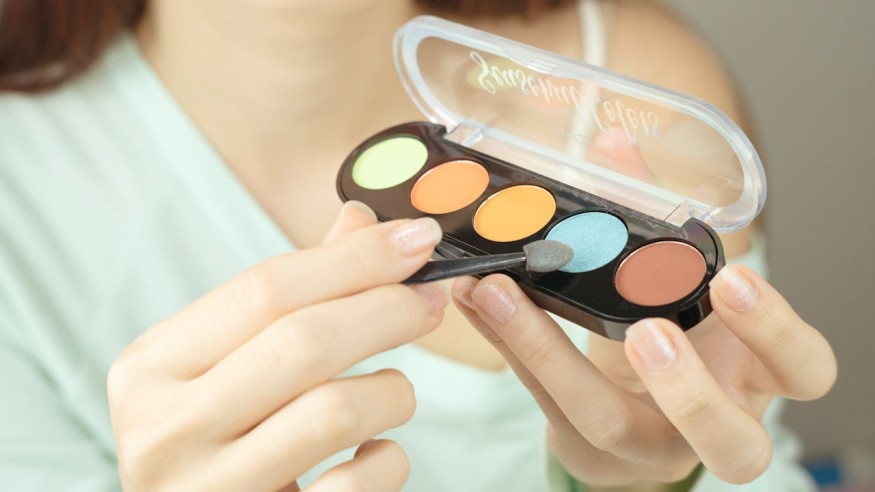
Different shades are used for different concerns:
- Peach helps brighten blue or purple toned darkness
- Orange targets deeper hyperpigmentation
- Green neutralizes redness
- Yellow brightens dull or slightly uneven areas
For hyperpigmentation specifically, peach and orange correctors are often the most effective choices.
Why Regular Concealer Often Fails on Dark Spots
Many people layer thick concealer directly over hyperpigmentation and still notice shadows underneath. This usually happens because dark spots contain cool or muted undertones that standard concealers cannot fully cancel out.
Without correction, the area may appear:
- Gray
- Ashy
- Uneven in certain lighting
- Heavy after multiple layers
Using a concealer for dark spots after applying a corrector creates a more balanced base. This method usually requires less product and gives a smoother finish.
Peach Corrector Makeup and Who Should Use It
Peach corrector makeup remains one of the most popular choices for hyperpigmentation because it works well across many skin tones. Peach shades help counter blue, brown, and purple discoloration without looking too orange on lighter complexions.
Best suited for:
- Fair skin
- Light skin
- Medium skin tones
- Under eye darkness
- Mild acne scars
A peach corrector is especially helpful for people dealing with post acne marks that leave cool toned discoloration behind.
Tips for applying peach corrector makeup
- Use a small amount only where needed
- Blend gently with a sponge or fingertip
- Apply regular concealer on top instead of mixing products together
- Set lightly with powder to avoid cakiness
Too much peach product can create a visible orange cast under foundation, so thin layers work best.
Orange Correctors for Deep Hyperpigmentation
While peach works well on lighter skin tones, deeper complexions often benefit more from orange correctors. Dark spots on medium deep and deep skin tones usually require richer warmth to properly neutralize discoloration.
Orange correctors can help conceal:
- Deep acne scars
- Around-the-mouth darkness
- Beard shadow
- Stubborn melasma patches
The key is choosing the right intensity. Bright orange shades may appear too strong on medium skin, while softer burnt orange tones tend to blend more naturally.
How to Choose the Right Concealer for Dark Spots
After color correction, the next step is selecting a concealer for dark spots that layers smoothly over the corrector.
Several factors matter when choosing the right formula.
Coverage level
Medium to full coverage formulas generally work best for hyperpigmentation. Sheer concealers may allow discoloration to show through.
Finish
Natural and satin finishes often look the most skin-like. Matte formulas can emphasize texture around acne scars or dry patches.
Formula type
- Liquid concealers blend easily for everyday wear
- Cream formulas provide stronger coverage
- Stick concealers work well for targeted application
Undertone matching
Choosing the correct undertone matters just as much as selecting the right depth. Warm undertones often pair better over peach or orange correctors.
Step by Step Guide to Applying Color Correcting Concealer
Correct application can make makeup appear more natural and long lasting. Layering too much product too quickly often leads to creasing and patchiness.
Step 1: Prep the skin
Start with moisturizer and primer. Hydrated skin allows makeup to blend more evenly.
Step 2: Apply the corrector
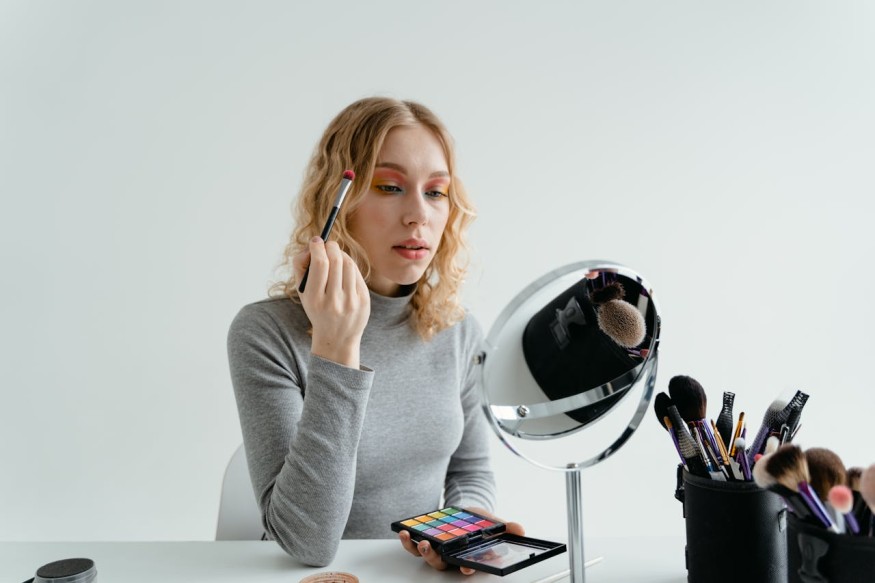
Use a small brush or fingertip to place the corrector directly over hyperpigmentation.
Step 3: Blend carefully
Tap the product instead of rubbing it away.
Step 4: Layer concealer
Apply a skin tone concealer over the corrected areas using thin layers.
Step 5: Set the makeup
Use a lightweight powder or setting spray to lock everything in place.
This layering method usually creates better coverage than using heavy concealer alone.
Common Mistakes That Make Hyperpigmentation More Visible
Even high quality products can look uneven when applied incorrectly. A few common mistakes often prevent color correction from working properly.
Using too much product
Heavy layers tend to crease and draw more attention to texture.
Choosing the wrong correcting shade
Green correctors are often mistakenly used on brown dark spots instead of redness.
Skipping skin prep
Dry skin can make corrected areas appear patchy.
Using concealer that is too light
Very light concealer can highlight hyperpigmentation instead of concealing it.
Best Makeup Pairings for a Smooth Finish
A good color correcting concealer routine works best when paired with compatible complexion products.
Helpful pairings include:
- Hydrating primers for dry skin
- Buildable foundations with natural finish
- Lightweight setting powders
- Makeup setting sprays for longer wear
Cream based products often layer more smoothly together than overly matte formulas.
Finding the Right Shade Makes All the Difference
Hyperpigmentation coverage becomes much easier once the right correcting shades are understood. Peach correctors work beautifully for fair to medium skin tones, while orange correctors help neutralize deeper discoloration on richer complexions.
Pairing the corrector with a well matched concealer for dark spots creates more even coverage without heavy makeup buildup. Instead of masking the skin completely, color correction helps makeup blend naturally while softening uneven areas.
Frequently Asked Questions
1. What color corrector is best for dark spots?
Peach and orange correctors are usually best for dark spots. Peach works well on lighter skin tones, while orange is often more effective for deeper skin tones and stubborn pigmentation.
2. Should color corrector go before concealer?
Yes. A color correcting concealer should be applied before regular concealer so discoloration is neutralized first.
3. Can peach corrector makeup be used every day?
Yes. Peach corrector makeup can be used daily as long as it is applied in thin layers and removed properly at the end of the day.
4. Why does concealer turn gray over hyperpigmentation?
Grayness usually happens when the dark undertones beneath the skin are not neutralized first. Using the right corrector before concealer helps prevent this issue.