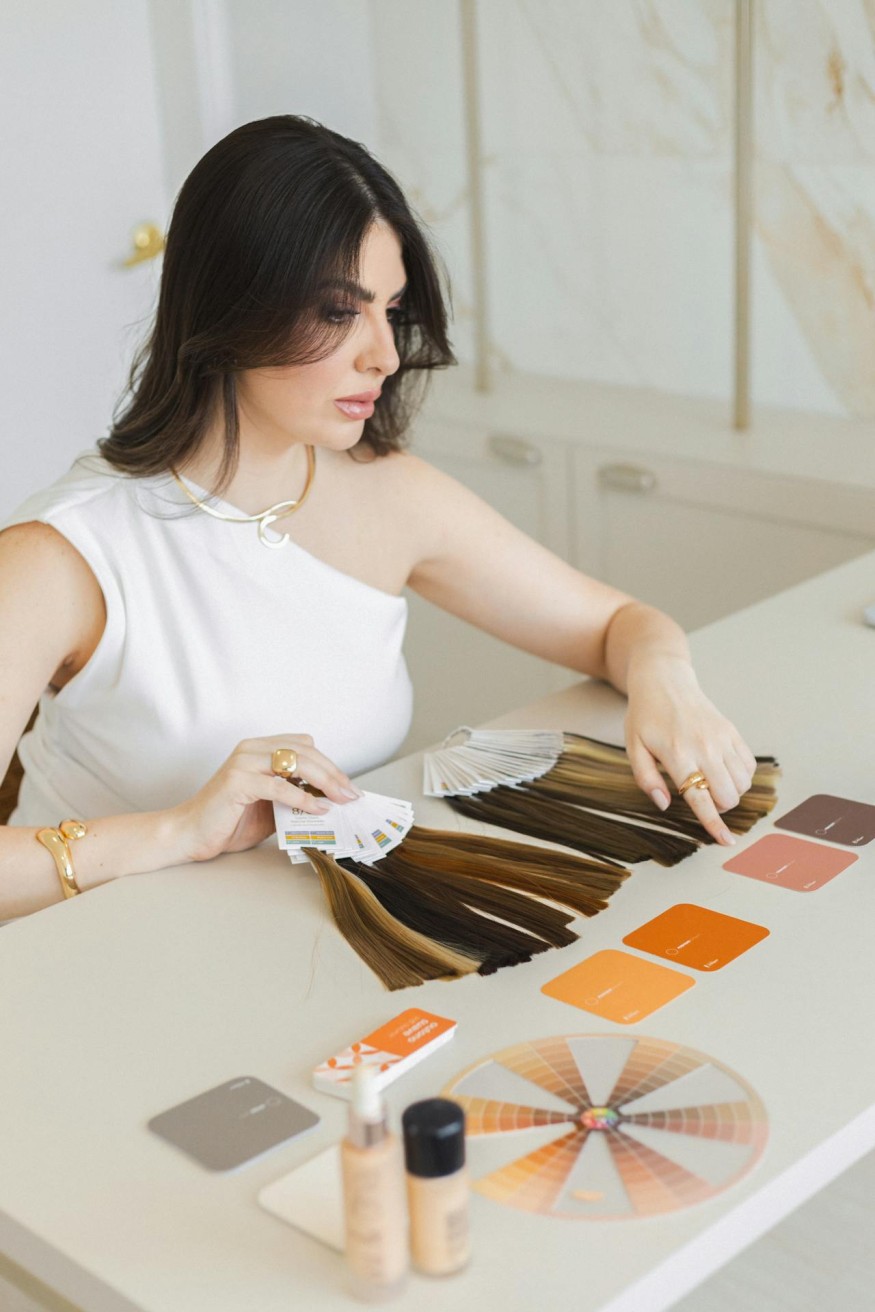
The beauty world is becoming more digital every year. From virtual try-ons to skin analysis apps, technology is changing how consumers shop for skincare and makeup. One of the biggest developments is the rise of the AI beauty advisor, a tool designed to recommend products, analyze skin concerns, and create customized beauty routines.
As beauty industry AI becomes more advanced, many consumers are wondering whether artificial intelligence could eventually replace human beauty consultants. While AI is improving beauty personalization and making product discovery more convenient, human expertise still plays an important role in the customer experience.
What Is an AI Beauty Advisor?
An AI beauty advisor is a digital tool powered by machine learning and data analysis. These systems collect information about a person's skin type, tone, preferences, and beauty goals to suggest products or routines that match their needs.
Beauty brands use AI technology through:
- Virtual skincare consultations
- Augmented reality makeup try-ons
- Smart mirrors
- Personalized product quizzes
- Skin scanning applications
Many online beauty retailers now include AI-powered recommendation systems to help shoppers make decisions faster without visiting a physical store.
Read more: Beauty Device 2026: Smart At Home LED Light Therapy and Microcurrent Tools Everyone Wants
Why Beauty Industry AI Is Growing So Quickly
Consumers increasingly expect convenience and customized experiences. Beauty industry AI helps brands meet those expectations by offering instant recommendations and tailored routines.
Several factors are driving this shift:
- Online beauty shopping continues to grow
- Consumers want faster customer support
- Personalized skincare has become more popular
- Brands collect more user data for customization
- AI tools can assist shoppers at any time of day
Beauty personalization is especially important because skincare and makeup products rarely work the same way for everyone. AI tools can process large amounts of information and create recommendations based on individual concerns like dryness, acne, sensitivity, or uneven tone.
How AI Improves Beauty Personalization
Beauty personalization is one of the strongest advantages of AI technology. Traditional beauty consultations often depend on a consultant's experience and product knowledge. AI systems, however, can analyze thousands of data points almost instantly.
Some common personalization features include:
- Skin condition tracking over time
- Product recommendations based on climate or season
- Shade matching for foundation and concealer
- Customized skincare routines
- Ingredient compatibility checks
AI beauty advisor tools can also remember previous purchases and customer preferences, making future recommendations more refined. This creates a more seamless shopping experience for consumers who prefer online beauty shopping.
AI Skin Analysis and Smart Technology
Modern beauty industry AI tools use facial recognition and image analysis to examine the skin. These systems can identify visible concerns such as:
- Fine lines
- Dark spots
- Redness
- Texture irregularities
- Oiliness or dryness
Some apps even compare current skin conditions with earlier scans to track progress. For consumers interested in skincare consistency, this can provide useful insights that are difficult to notice day to day.
Still, AI analysis has limitations. Lighting, camera quality, and incomplete datasets can affect accuracy. Some systems may also struggle to properly assess diverse skin tones or unique skin conditions.
What Human Beauty Consultants Still Offer
Despite rapid advances in AI beauty advisor technology, human beauty consultants continue to offer qualities that machines cannot fully replicate.
A beauty consultation is often personal and emotional. Consumers may seek reassurance, confidence, or expert guidance that feels empathetic and trustworthy. Human consultants can adapt conversations naturally and understand subtle concerns that technology may overlook.
Human consultants also provide:
- Emotional connection
- Real-time product demonstrations
- Personalized communication
- Creative beauty styling advice
- Hands-on makeup application techniques
Luxury beauty experiences especially rely on personal interaction. Many shoppers still value the ability to test products in person and ask detailed questions face to face.
The Importance of Trust in Beauty Recommendations
Trust remains a major factor in beauty purchasing decisions. While AI tools can suggest products based on data, some consumers are hesitant to rely entirely on automated recommendations.
People often trust beauty consultants because they:
- Share personal experience with products
- Understand changing beauty trends
- Offer tailored suggestions based on conversation
- Recognize emotional concerns connected to appearance
For many consumers, beauty is not only about efficiency. It is also about confidence, self-expression, and feeling understood.
Can AI Replace Beauty Consultants Completely?
The idea of fully replacing beauty consultants with AI is still unlikely. Instead, the beauty industry appears to be moving toward a hybrid approach where technology supports human expertise rather than eliminating it.
AI excels at speed, convenience, and data analysis. Human consultants excel at relationship building, creativity, and emotional understanding.
This combined model already appears in many beauty stores and online platforms. Consultants may use AI-powered skin analysis tools during appointments while still offering personalized guidance and recommendations.
Areas Where AI Performs Well
AI beauty advisor systems are especially useful for:
- Quick skincare assessments
- Product filtering
- Shade matching
- Routine building
- Online shopping support
Areas Where Humans Still Lead
Beauty consultants remain stronger in areas such as:
- Emotional communication
- Makeup artistry
- Complex skincare concerns
- Building customer loyalty
- Personalized luxury experiences
As beauty industry AI evolves, technology will likely become a support tool rather than a full replacement for professionals.
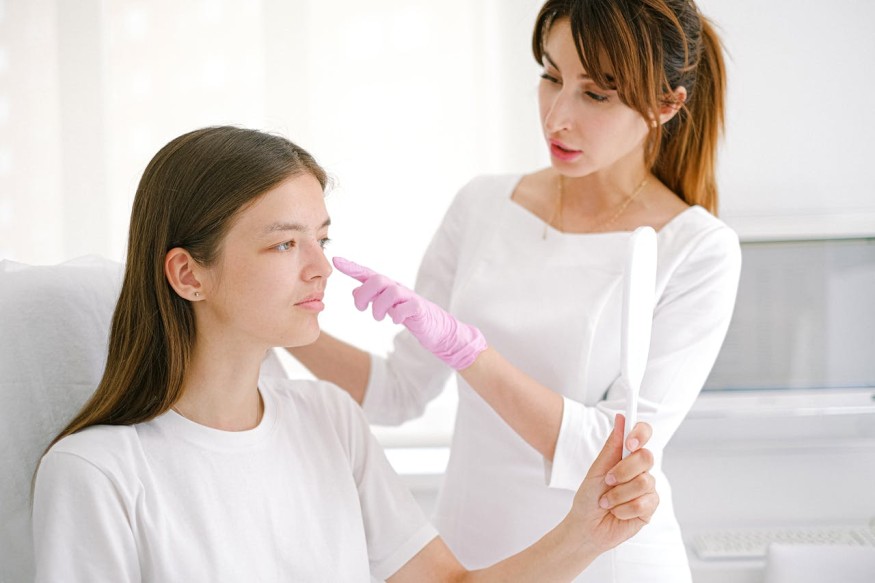
Risks and Challenges of Beauty Industry AI
Although AI technology offers many benefits, there are still concerns surrounding privacy and accuracy.
Some common concerns include:
- Collection of facial and biometric data
- Data privacy issues
- Biased algorithms
- Overdependence on automated recommendations
- Limited understanding of rare skin conditions
Consumers are becoming more aware of how their personal information is collected and stored. Beauty brands using AI tools may need to prioritize transparency and ethical data practices to maintain customer trust.
The Future of AI Beauty Advisors and Personalized Beauty
The future of beauty personalization will likely combine advanced technology with human expertise. AI beauty advisor platforms are expected to become more interactive, more accurate, and better at understanding individual beauty goals.
Future developments may include:
- Real-time skincare monitoring
- Smarter ingredient analysis
- Voice-assisted beauty consultations
- Hyper-personalized product recommendations
- AI tools integrated into salon and spa services
Rather than replacing beauty consultants entirely, AI may help professionals provide faster and more informed recommendations. This creates a more balanced experience where technology enhances human expertise instead of competing with it.
Why Human Expertise Still Matters in the Age of Beauty Industry AI
Beauty industry AI is changing the way consumers discover products and build routines. AI beauty advisor tools offer convenience, customization, and faster recommendations that improve beauty personalization for online shoppers. At the same time, human beauty consultants continue to provide emotional understanding, creativity, and trust that technology cannot fully duplicate.
As beauty technology continues to evolve, the most effective approach may be a partnership between AI innovation and human expertise. Consumers benefit from personalized digital tools while still enjoying the guidance and reassurance that experienced beauty professionals bring to the industry.
Frequently Asked Questions
1. What is an AI beauty advisor?
An AI beauty advisor is a digital tool that uses artificial intelligence to recommend skincare or makeup products based on factors like skin type, tone, concerns, and preferences.
2. How does beauty personalization work with AI?
Beauty personalization uses algorithms and customer data to create tailored product recommendations, skincare routines, and shade matches for individual users.
3. Can AI accurately analyze skin conditions?
AI tools can identify visible concerns such as dryness, redness, and texture issues, but accuracy may vary depending on lighting, image quality, and dataset diversity.
4. Will beauty consultants lose jobs because of AI?
AI is more likely to support beauty consultants rather than replace them completely. Human expertise, creativity, and personal interaction still remain highly valuable in the beauty industry.