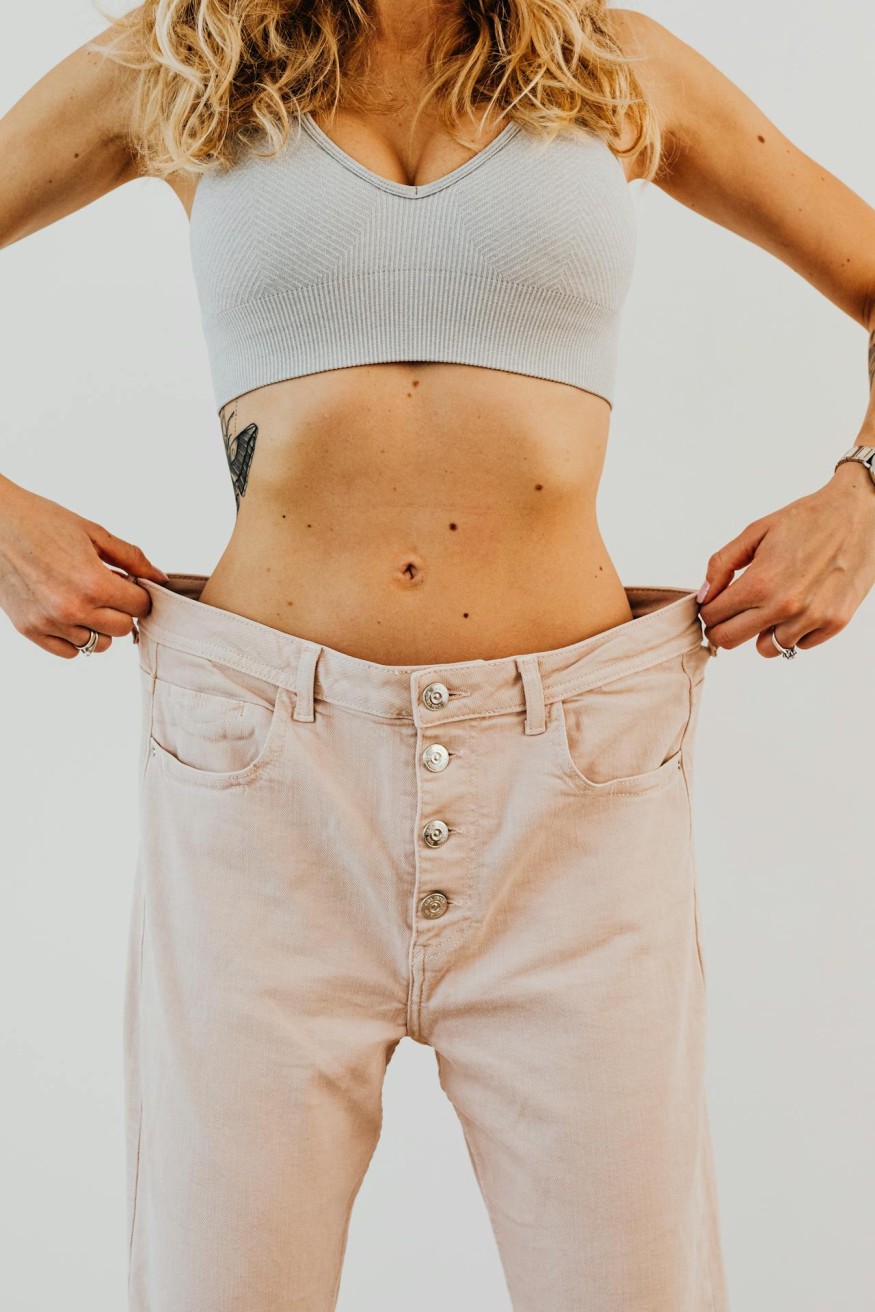
The beauty world has become increasingly interested in GLP-1 medications, especially as drugs like Ozempic and Wegovy continue to dominate conversations around weight management and body transformation. Along with visible weight loss, many users have started discussing changes in their skin, facial structure, and hair health.
From tighter clothing sizes to unexpected shifts in skin texture, the connection between GLP-1 skin changes, Ozempic beauty effects, and weight loss and skincare has become a major topic in both dermatology offices and online beauty spaces. While some people notice brighter skin and reduced puffiness, others experience dryness, sagging, or hair shedding during rapid weight loss.
Understanding why these beauty changes happen can help readers make informed skincare and wellness choices while using GLP-1 medications.
What Are GLP-1 Drugs?
GLP-1 medications were originally designed to help regulate blood sugar levels. Over time, they also became widely prescribed for weight loss because they can reduce appetite and slow digestion, helping people feel full longer.
Popular medications in this category include:
- Ozempic
- Wegovy
- Mounjaro
As body weight changes quickly, the skin and hair often react alongside the rest of the body. That is where beauty concerns begin to appear.
GLP-1 Skin Changes and Why They Happen
One of the most talked about Ozempic beauty effects is the visible change in facial appearance. Rapid fat loss can reduce volume in the cheeks, jawline, and under eye area. While weight loss may improve overall health markers, the skin sometimes struggles to adapt quickly.
Common GLP-1 skin changes include:
- Hollow looking cheeks
- Increased skin laxity
- More visible fine lines
- Dry or dull skin
- Thinner facial appearance
These effects are often linked more to rapid weight loss than to the medication itself. Fat provides structure beneath the skin, especially in the face. When weight decreases quickly, skin may temporarily appear looser or less firm.
Age also plays a role. Mature skin naturally produces less collagen and elastin, making sudden changes in facial volume more noticeable.
What Is Ozempic Face?
The phrase "Ozempic face" has become a popular beauty term online. It describes facial changes that can happen after significant weight loss while taking GLP-1 medications.
Typical signs include:
- Sagging around the lower face
- Sharper facial contours
- More pronounced wrinkles
- Tired looking eyes
While the term sounds dramatic, dermatologists often explain that this effect is not unique to one medication. Similar facial changes can happen with any fast weight reduction.
For some individuals, the slimmer facial appearance is desirable. Others may prefer treatments that restore lost volume or improve skin firmness.
Weight Loss and Skincare Go Hand in Hand
As the body changes, skincare routines may also need adjustments. Hydration becomes especially important because some GLP-1 users report dryness and reduced skin radiance during treatment.
A supportive weight loss and skincare routine may include:
- Gentle cleansers that protect the skin barrier
- Rich moisturizers with ceramides or hyaluronic acid
- Daily sunscreen use
- Peptide or retinol based products for firmness
- Hydrating facial mists and serums
Consistency matters more than complicated routines. Skin often responds better to nourishment and protection during periods of major body change.
Nutrition also influences appearance. Rapid calorie reduction may affect skin elasticity and overall glow if protein, healthy fats, and vitamins are lacking.
Can GLP-1 Drugs Cause Hair Loss?
Hair changes are another growing concern linked to GLP-1 medications. Many users report temporary hair shedding several months after major weight loss begins.
This condition is often associated with physical stress on the body rather than the medication directly. When the body experiences sudden weight changes or reduced nutrient intake, hair follicles may shift into a resting phase.
Common triggers include:
- Rapid fat loss
- Low protein intake
- Stress on the body
- Nutritional deficiencies
- Reduced calorie consumption
In many cases, shedding improves once weight stabilizes and nutrition becomes more balanced. Hair growth cycles usually recover gradually over time.
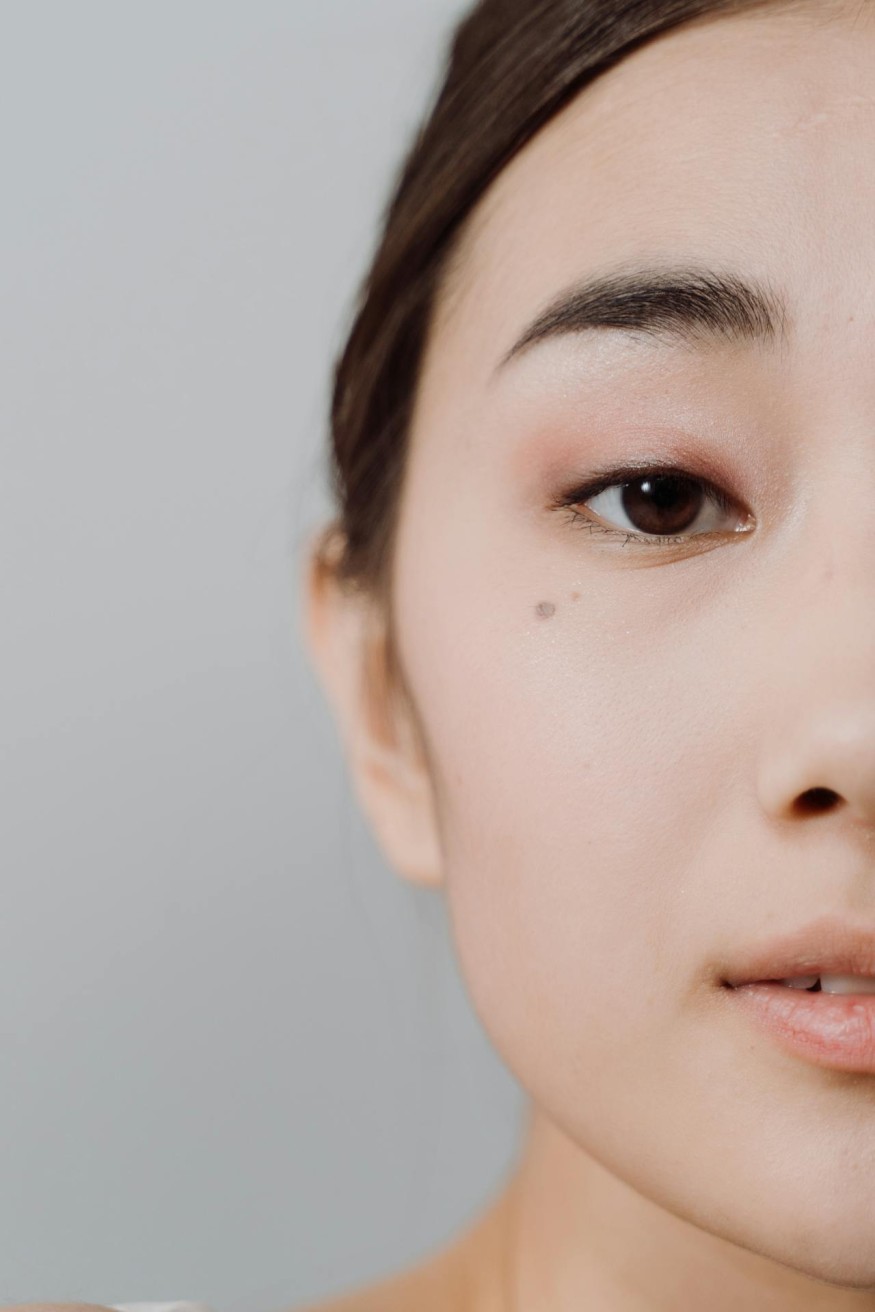
How to Support Skin and Hair During GLP-1 Weight Loss
Beauty professionals increasingly recommend taking a slower and more supportive approach to body transformation. Protecting skin and hair health during weight loss can make a noticeable difference in overall appearance.
Helpful strategies include:
- Prioritizing protein rich meals
- Drinking enough water daily
- Adding strength training to preserve muscle tone
- Avoiding overly restrictive diets
- Supporting skin with collagen friendly ingredients
- Getting adequate sleep
Some individuals also explore in office treatments to address skin laxity or volume loss. Popular options may include:
- Radiofrequency treatments
- Ultrasound skin tightening
- Dermal fillers
- Microneedling
A dermatologist can help determine which treatments are appropriate based on skin condition and weight loss goals.
Why Some People Notice Better Skin on GLP-1 Medications
Not all GLP-1 skin changes are negative. Some people report improvements in skin clarity and facial puffiness as weight decreases and lifestyle habits improve.
Potential beauty benefits may include:
- Reduced inflammation
- Less oily skin
- More defined facial contours
- Improved confidence and body image
Better sleep, healthier eating habits, and lower sugar intake may also contribute to visible skin improvements during treatment.
Because every body responds differently, experiences with Ozempic beauty effects can vary widely from person to person.
Navigating Beauty Changes While Using GLP-1 Medications
The growing conversation around weight loss and skincare reflects a broader shift in how beauty and wellness intersect. As GLP-1 medications continue to reshape the weight loss landscape, skincare and haircare have become part of the discussion too.
For many individuals, the goal is balance. Maintaining skin hydration, supporting hair health, and approaching weight loss gradually can help reduce unwanted beauty concerns while still supporting overall wellness goals.
Frequently Asked Questions
1. Does Ozempic make skin sag?
Skin sagging can happen during rapid weight loss because facial fat decreases faster than skin can adjust. This effect is not limited to Ozempic and may occur with any major weight change.
2. Can hair grow back after GLP-1 related shedding?
In many cases, hair shedding linked to rapid weight loss is temporary. Hair often begins to recover once nutrition improves and body weight stabilizes.
3. What skincare ingredients help during GLP-1 weight loss?
Hydrating and barrier supporting ingredients like hyaluronic acid, ceramides, peptides, and gentle retinol formulas are commonly recommended.
4. How can loose skin be minimized during weight loss?
Gradual weight loss, strength training, proper hydration, and nutrient rich meals may help support skin elasticity during body changes.