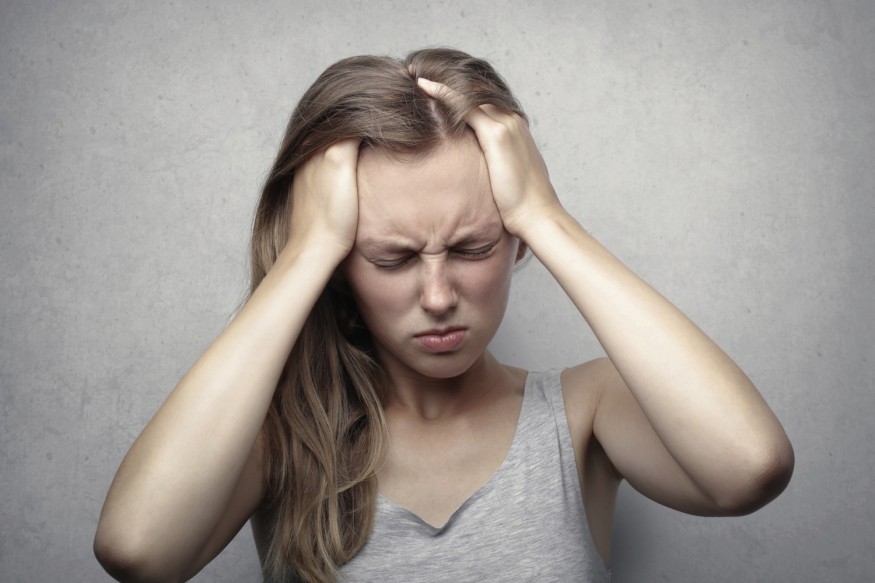
Stress rarely stays hidden. It often shows up in ways that are easy to overlook at first, then harder to ignore over time. Breakouts that appear overnight, hair shedding in the shower, or a sudden dullness in the complexion can all point to a deeper internal trigger. This is where the mind skin connection becomes relevant, linking emotional stress to visible changes in skin and hair.
Understanding how stress affects the body externally helps explain why stress acne and common hair loss causes often trace back to daily pressure, lack of rest, or ongoing tension.
What Is the Mind Skin Connection and Why Does It Matter?
The skin and hair are closely tied to the nervous system. When the body experiences stress, it releases hormones such as cortisol, which can disrupt normal functions. These changes affect oil production, inflammation levels, and even the hair growth cycle.
The mind skin connection explains why emotional stress can translate into physical symptoms. Skin and hair respond to internal imbalance just as much as they do to external care. This means that even the most consistent routine may not fully address issues rooted in stress.
How Stress Affects the Skin
Stress can interfere with the skin's natural ability to maintain balance. It can lead to excess oil production, slower healing, and increased sensitivity.
Can Stress Cause Acne or Make It Worse?
One of the most noticeable effects of stress is acne. Elevated cortisol levels stimulate oil glands, leading to clogged pores and inflammation. This type of breakout is commonly referred to as stress acne.
Unlike other forms of acne, stress-related breakouts often:
- Appear suddenly without a clear trigger
- Show up along the jawline, chin, or cheeks
- Persist longer due to slower skin recovery
Because stress also weakens the skin barrier, these breakouts can feel more irritated and harder to manage.
Why Does Skin Look Dull or Tired During Stress?
Stress can reduce blood flow to the skin, which limits oxygen and nutrient delivery. As a result, the complexion may appear uneven or fatigued.
Common signs include:
- A lack of natural glow
- Dry or rough texture
- Dark circles or puffiness
This dullness is often a reflection of internal strain rather than surface-level dehydration alone.
Can Stress Trigger Skin Sensitivity or Rashes?
Stress can make the skin more reactive. Conditions like eczema, psoriasis, or general redness may flare up more easily.
Increased sensitivity can show up as:
- Itching or irritation without a clear cause
- Red patches or inflammation
- Burning sensations after applying products
This happens because stress weakens the skin's protective barrier, making it less resilient to environmental factors.
How Stress Affects Hair Growth and Health
Hair is also sensitive to internal changes. When stress disrupts the body's normal rhythm, it can push hair follicles into a resting phase earlier than expected.
Can Stress Cause Hair Loss?
One of the most common hair loss causes linked to stress is a condition called telogen effluvium. This occurs when a significant number of hair follicles shift into the shedding phase at the same time.
Signs of stress-related hair loss include:
- Increased shedding during washing or brushing
- Noticeable thinning across the scalp
- Hair falling out in larger amounts than usual
This type of hair loss is often temporary, but it can be alarming if it appears suddenly.
Why Does Hair Fall Out Weeks After Stress?
Hair does not respond instantly to stress. There is often a delay between the stressful event and visible shedding.
This delayed reaction can make it difficult to connect the cause and effect. For example:
- A stressful period may pass, yet hair shedding begins later
- The body continues to process stress even after it seems resolved
Understanding this timeline helps explain why hair changes may appear unexpected.
Can Stress Change Hair Texture or Strength?
Stress can also affect the quality of hair, not just the quantity. Hair may become more fragile, dry, or difficult to manage.
Some noticeable changes include:
- Reduced shine and smoothness
- Increased breakage
- A shift in texture or volume
These changes are often tied to nutrient imbalances and reduced scalp health during periods of stress.
Common Signs Stress Is Affecting Skin and Hair
The body often sends subtle signals before symptoms become more pronounced. Recognizing these signs early can help prevent more noticeable changes.
Key indicators include:
- Persistent stress acne or sudden breakouts
- Increased oiliness or unusual dryness
- Hair thinning or shedding
- A dull or uneven complexion
- Scalp irritation or sensitivity
These symptoms may appear individually or together, depending on how the body responds to stress.
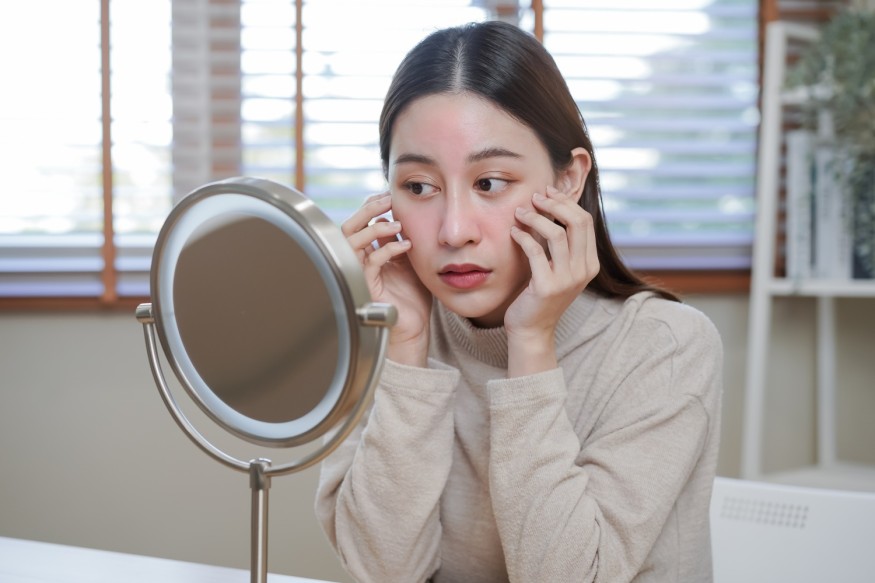
How Long It Takes for Stress to Show on Skin and Hair
Skin tends to react more quickly than hair. Breakouts or sensitivity can appear within days of heightened stress.
Hair, on the other hand, follows a slower cycle. Shedding may become noticeable weeks after the initial trigger. This delayed response can make stress-related hair loss harder to identify at first.
Ways to Support Skin and Hair During Stress
Managing the visible effects of stress requires a balanced approach that addresses both internal and external factors.
Skincare and Haircare Adjustments
Simple changes in routine can help reduce the impact of stress on appearance.
- Use gentle cleansers to avoid further irritation
- Choose lightweight, non-comedogenic products for stress acne
- Avoid harsh treatments that can weaken the skin barrier
- Handle hair gently to reduce breakage
- Limit heat styling during periods of increased shedding
Lifestyle Habits That Support the Mind Skin Connection
Improving daily habits can strengthen the mind skin connection and support recovery.
- Prioritize consistent sleep patterns
- Maintain a balanced diet rich in essential nutrients
- Stay hydrated throughout the day
- Incorporate relaxation practices such as walking or mindfulness
- Reduce exposure to ongoing stress triggers when possible
These habits help regulate the body's stress response, which in turn benefits skin and hair health.
When to Seek Professional Advice
While stress-related changes are often temporary, some symptoms may require professional evaluation.
Consider consulting a dermatologist if:
- Acne becomes persistent or severe
- Hair shedding continues for an extended period
- Scalp irritation worsens or becomes painful
A professional can help identify whether symptoms are linked to stress or other underlying factors.
Supporting Your Skin and Hair Through Stress
Stress does not affect everyone in the same way, but its impact on skin and hair is widely recognized. By understanding the mind skin connection, it becomes easier to recognize early signs and respond with care.
Small adjustments in routine, combined with mindful lifestyle choices, can help restore balance. While stress acne and common hair loss causes may feel frustrating, they often improve once the body returns to a more stable state.
Frequently Asked Questions
1. Can stress acne go away without treatment?
Stress acne can improve once stress levels decrease, but supportive skincare can help speed up recovery and prevent further breakouts.
2. What type of hair loss is most commonly linked to stress?
Telogen effluvium is the most common form. It involves temporary shedding triggered by physical or emotional stress.
3. How can someone tell if their skin issues are stress-related?
Stress-related skin changes often appear suddenly, worsen during stressful periods, and improve once stress is managed.
4. Can managing stress improve hair growth and skin clarity?
Yes. Reducing stress can help regulate hormones and restore balance, which supports healthier skin and hair over time.