
Niacinamide has become one of the most talked about ingredients in modern skincare, and for good reason. Known as a form of vitamin B3, it is widely used in serums, moisturizers, and treatments designed to improve overall skin health. From calming breakouts to refining the look of pores, the list of niacinamide benefits continues to grow.
What makes niacinamide stand out in today's niacinamide skincare routines is its versatility. It works across different skin types and concerns, making it a go to ingredient for anyone looking to simplify their routine while still seeing visible improvements.
What Is Niacinamide and How Does It Work for Skin?
Niacinamide is a water soluble vitamin that supports the skin barrier and helps maintain balanced, healthy skin. When applied topically, it strengthens the outer layer of the skin, which plays a key role in keeping moisture in and environmental stressors out.
It also helps regulate oil production and reduce inflammation, which is why it is often recommended for those dealing with acne or sensitivity. Unlike some active ingredients that can feel harsh, niacinamide tends to be gentle and well tolerated.
What Are the Main Niacinamide Benefits for Skin?
The appeal of niacinamide lies in how many concerns it can address at once. Its multi functional nature makes it a staple in many routines.
Key niacinamide benefits include:
- Strengthening the skin barrier for better resilience
- Improving uneven skin tone and dullness
- Minimizing the look of enlarged pores
- Reducing redness and visible irritation
- Supporting smoother skin texture
These benefits make it a practical addition for both beginners and experienced skincare users.
How Does Niacinamide Help With Acne?
One of the most searched uses of this ingredient is niacinamide for acne, and its effectiveness comes from several factors working together. It helps calm inflammation, which can reduce the appearance of active breakouts and redness.
Another important function is oil regulation. Excess oil often contributes to clogged pores, which can lead to breakouts. By helping balance oil production, niacinamide supports clearer looking skin over time.
It also reinforces the skin barrier, which can be compromised in acne prone skin. A stronger barrier helps skin recover more efficiently and respond better to other treatments.
Does Niacinamide Reduce Pore Size?
Pores cannot physically shrink, but they can appear smaller. Niacinamide plays a role in this by keeping oil levels balanced and improving skin texture.
When excess oil and debris are reduced, pores are less likely to look stretched or noticeable. Over time, consistent use can lead to smoother looking skin, which naturally makes pores less visible.
Can Niacinamide Control Oily Skin?
Oil control is one of the standout niacinamide benefits. It helps regulate sebum production without stripping the skin, which is important for maintaining balance.
For oily and combination skin types, this means:
- Less midday shine
- Fewer clogged pores
- A more even skin surface
Unlike harsh products that dry out the skin, niacinamide works in a way that supports hydration while managing oil.
How Long Does Niacinamide Take to Work?
Results from niacinamide skincare products are not instant, but they are often noticeable with consistent use. Improvements in texture and tone tend to appear gradually, while oil control and calming effects may be seen sooner.
Consistency plays a major role. Using niacinamide regularly as part of a routine allows the skin to adapt and benefit from its long term effects.
How to Use Niacinamide in a Skincare Routine
Incorporating niacinamide into a daily routine is straightforward. It works well in both morning and evening regimens.
A simple routine might include:
- Cleanser to remove dirt and oil
- Toner if preferred
- Niacinamide serum applied to clean skin
- Moisturizer to lock in hydration
- Sunscreen during the day
Because it layers easily with other products, it fits seamlessly into most routines without requiring major changes.
Can You Use Niacinamide With Other Skincare Ingredients?
Niacinamide is known for being compatible with many popular skincare ingredients, which adds to its appeal.
It pairs well with:
- Hyaluronic acid for hydration
- Retinol for smoother looking skin
- Sunscreen for daily protection
There has been some confusion about combining niacinamide with vitamin C, but modern formulations are generally designed to work well together. This makes it easier to build a routine without worrying about ingredient conflicts.
What Percentage of Niacinamide Is Best for Skin?
Niacinamide products come in a range of strengths. Lower concentrations are often suitable for beginners or those with sensitive skin, while higher strengths may be used by those looking for more targeted results.
The key is to choose a formulation that matches individual skin needs and to introduce it gradually to avoid irritation.
Is Niacinamide Safe for All Skin Types?
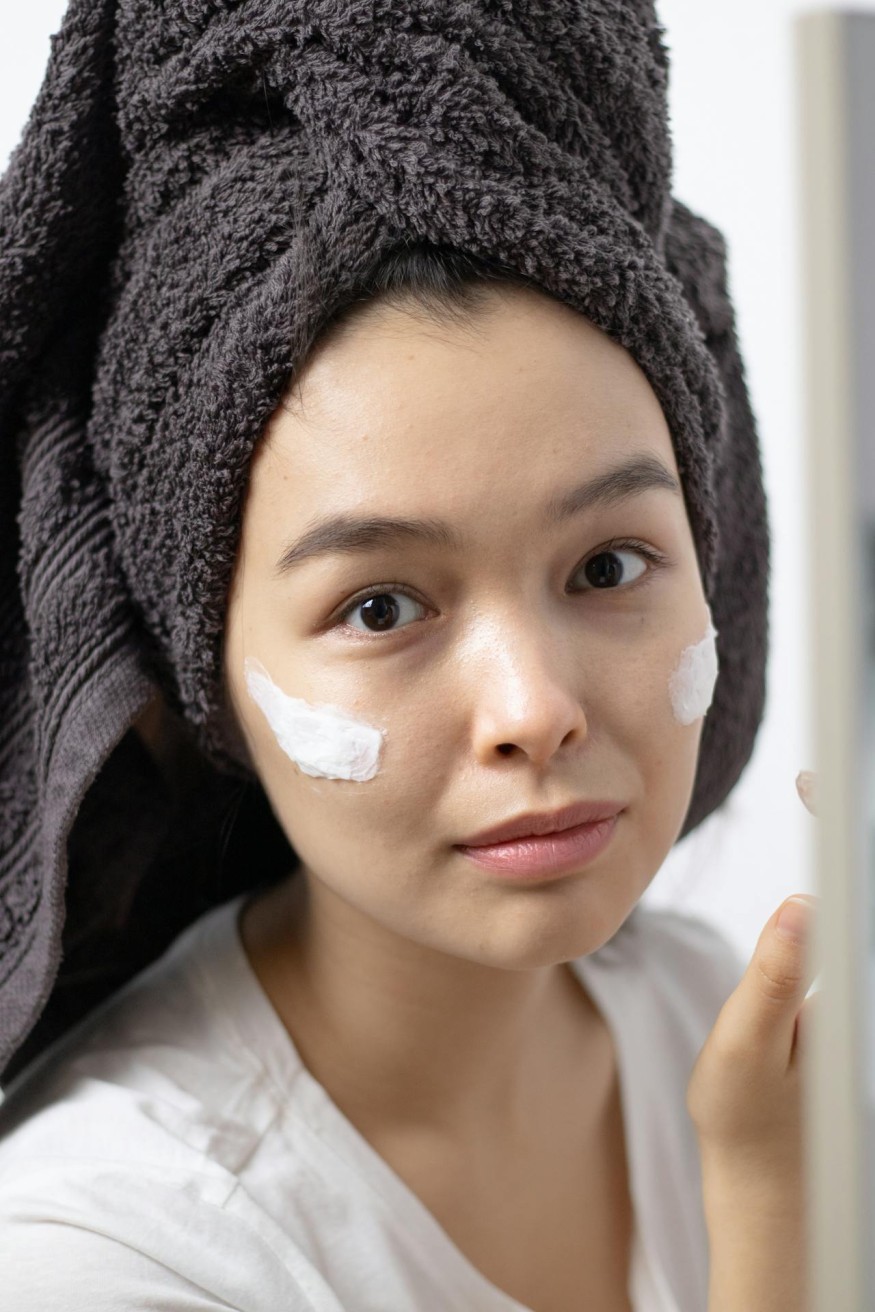
Niacinamide is widely considered suitable for most skin types, including sensitive and acne prone skin. Its gentle nature makes it a reliable option for those who struggle with irritation from stronger actives.
While reactions are uncommon, it is still a good idea to patch test new products. This helps ensure compatibility before applying it to the entire face.
Can Niacinamide Help With Dark Spots and Hyperpigmentation?
Another reason niacinamide is a staple in niacinamide skincare is its ability to improve uneven skin tone. It works by supporting the skin's natural renewal process and reducing the appearance of discoloration over time.
For those dealing with post acne marks or dullness, consistent use can lead to a brighter and more even looking complexion.
Common Mistakes When Using Niacinamide
Even though niacinamide is beginner friendly, there are a few common mistakes that can limit its effectiveness.
- Using too many active ingredients at once
- Applying inconsistent routines
- Skipping sunscreen during the day
- Choosing products that do not suit skin type
Avoiding these habits can help maximize the visible niacinamide benefits.
Why Niacinamide Deserves a Spot in Every Skincare Routine
Niacinamide continues to stand out as a reliable and adaptable ingredient. Its ability to address acne, visible pores, and oil control makes it a practical choice for a wide range of skincare goals. Whether used alone or alongside other ingredients, it supports healthier looking skin with consistent use.
Frequently Asked Questions
1. Can niacinamide be used every day?
Yes, niacinamide is gentle enough for daily use and can be applied both morning and evening as part of a regular routine.
2. Is niacinamide better than salicylic acid for acne?
They serve different purposes. Niacinamide helps calm inflammation and regulate oil, while salicylic acid focuses on exfoliating inside pores. Many routines use both for balanced results.
3. Can niacinamide cause purging?
Niacinamide is not known to cause purging since it does not increase skin cell turnover in the same way as exfoliating acids or retinoids.
4. What should not be mixed with niacinamide?
Niacinamide is compatible with most ingredients. The focus should be on avoiding over layering too many actives at once to prevent irritation.