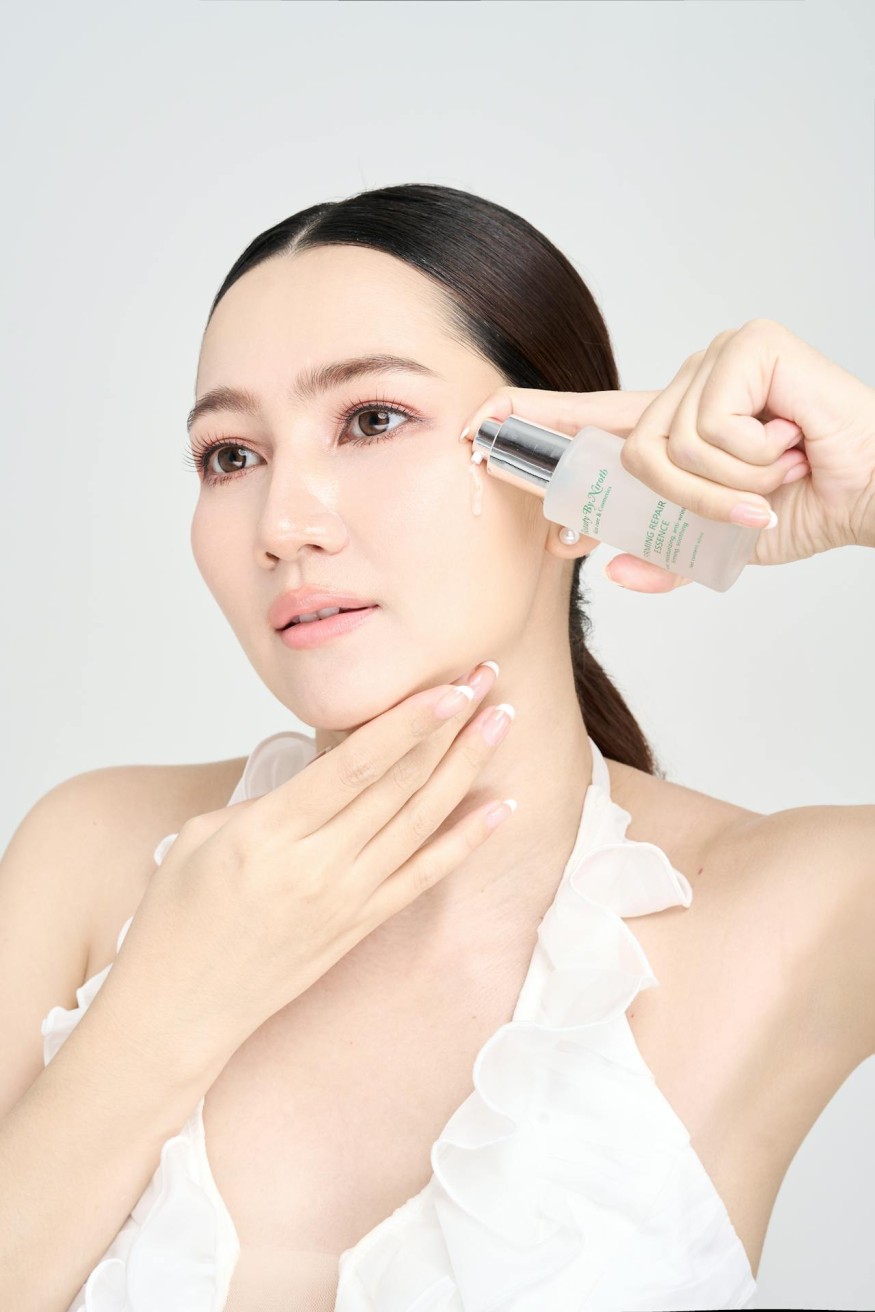
Retinol has long been considered the gold standard among anti-aging ingredients. It boosts collagen, smooths texture, and helps fade dark spots. But for many people, especially those focused on sensitive skin skincare, it can also cause redness, dryness, peeling, and irritation.
Because of this, dermatologists are increasingly recommending retinol alternatives that deliver visible results with less disruption to the skin barrier. These ingredients support collagen production, improve tone and texture, and reduce fine lines while being more tolerable for reactive skin types.
Below are five ingredients dermatologists say are stepping into the spotlight.
Why the Demand for Retinol Alternatives Is Growing
Retinol works by accelerating cell turnover, but that process can temporarily weaken the skin barrier. For people with eczema, rosacea, or easily irritated skin, this can be difficult to manage.
Several factors are driving interest in retinol alternatives:
- Increased awareness of barrier repair in sensitive skin skincare
- Desire for anti-aging ingredients that can be used daily
- Pregnancy and breastfeeding safety concerns
- Preference for plant-based or multifunctional formulas
- Lower tolerance for prolonged irritation phases
Dermatologists emphasize that effective anti-aging does not require discomfort. Results are possible without compromising skin health.
Read more: Retinol vs Bakuchiol Explained: A Smart Anti Aging Skincare Guide for Sensitive Skin Treatment
1. Bakuchiol
Bakuchiol is a plant-derived ingredient extracted from the Psoralea corylifolia plant. It has gained recognition as one of the most promising retinol alternatives.
Research suggests bakuchiol can stimulate collagen production and improve fine lines similarly to retinol, but with less irritation.
Why dermatologists recommend it
- Supports collagen and elasticity
- Improves pigmentation and uneven tone
- Can be used morning and night
- Suitable for sensitive skin skincare routines
Unlike traditional retinol, bakuchiol does not increase sun sensitivity to the same degree, making it easier to integrate into daily regimens. For individuals who cannot tolerate retinoids, this ingredient offers a gentler path to visible smoothing.
2. Peptides
Peptides are short chains of amino acids that act as signaling molecules in the skin. Instead of accelerating cell turnover like retinol, peptides encourage the skin to produce more collagen by sending repair signals.
Because they do not disrupt the barrier, they are widely considered safe for all skin types.
Benefits of peptides as anti-aging ingredients
- Help soften fine lines
- Improve firmness over time
- Strengthen skin structure
- Pair well with vitamin C and niacinamide
Peptides are especially valuable in sensitive skin skincare because they support repair without triggering redness or peeling. Many dermatologists suggest using peptide serums as a foundational anti-aging step.
3. Azelaic Acid
Azelaic acid is known for treating acne and rosacea, but it also has anti-aging benefits. It reduces inflammation, evens out pigmentation, and improves overall texture.
For patients who experience irritation from retinol, azelaic acid often becomes a first-line alternative.
What makes it effective
- Gently increases cell turnover
- Brightens dark spots
- Calms redness
- Safe for long-term use
Unlike stronger exfoliants, azelaic acid works gradually. This makes it suitable for sensitive skin skincare regimens that require steady, low-irritation progress.
4. Niacinamide
Niacinamide, a form of vitamin B3, has become one of the most versatile anti-aging ingredients available. While it does not directly replace retinol's collagen-stimulating action, it supports many of the same visible goals.
It strengthens the skin barrier, reduces inflammation, and improves uneven tone.
Why it stands out
- Minimizes appearance of pores
- Reduces redness and blotchiness
- Improves skin elasticity
- Enhances hydration retention
For those seeking retinol alternatives, niacinamide works well alone or layered with other actives. It helps counteract sensitivity while gradually improving texture and resilience.
5. Retinal
Retinal, also known as retinaldehyde, is technically part of the retinoid family but is often better tolerated than traditional retinol. It converts to retinoic acid in fewer steps, making it more efficient while still being less irritating for some users.
Dermatologists are increasingly recommending retinal to patients who want stronger anti-aging ingredients but struggle with classic retinol formulas.
How it differs from retinol
- Faster conversion process
- Often effective at lower concentrations
- May cause less prolonged irritation
- Suitable for experienced users seeking balance
Retinal is not ideal for everyone with highly reactive skin, but for many, it offers a middle ground between potency and comfort.
Choosing the Right Ingredient for Sensitive Skin Skincare
Selecting the best retinol alternative depends on individual skin concerns and tolerance levels.
Those with redness and rosacea may benefit most from azelaic acid or niacinamide.
Those focused primarily on firmness might consider peptides or bakuchiol.
Those seeking stronger resurfacing effects may explore retinal under professional guidance.
A careful approach is key:
- Introduce one new product at a time
- Patch test before full application
- Use sunscreen daily when incorporating active ingredients
- Focus on barrier repair with moisturizers and gentle cleansers
Dermatologists consistently stress that consistency and barrier support matter more than strength alone.
The Shift Toward Barrier-Friendly Anti-Aging
The conversation around anti-aging ingredients has evolved. Instead of pushing skin to its limits, current recommendations emphasize resilience, hydration, and long-term balance.
Retinol alternatives are not about avoiding results. They are about achieving them with fewer setbacks. For many people invested in sensitive skin skincare, that shift makes advanced treatment more accessible and sustainable.
As research expands, dermatologists continue to highlight ingredients that respect the skin's structure while supporting visible renewal. The future of anti-aging increasingly centers on calm, steady improvement rather than aggressive turnover.
Frequently Asked Questions
1. Are retinol alternatives as effective as retinol?
Some retinol alternatives, such as bakuchiol and retinal, have shown comparable improvements in fine lines and texture. Results may take longer depending on the ingredient, but many offer similar benefits with improved tolerability.
2. What is the best anti-aging ingredient for sensitive skin?
Niacinamide and azelaic acid are often recommended for sensitive skin skincare because they reduce inflammation while improving tone and texture. Bakuchiol is another strong option for collagen support with minimal irritation.
3. Can retinol alternatives be used every day?
Many retinol alternatives, including peptides and niacinamide, are suitable for daily use. Stronger options such as retinal may require gradual introduction.
4. Can retinol alternatives be combined?
Yes, certain combinations are effective. Peptides and niacinamide work well together. Azelaic acid can also be layered with barrier-supporting ingredients. It is advisable to introduce products slowly and monitor skin response.