
The skincare industry has shifted dramatically over the last decade. Dermatologists are launching their own product lines, while influencers with millions of followers are building beauty empires from social media platforms. The debate around dermatologist vs influencer skincare continues to grow as consumers look for products that actually deliver visible, long-term results.
The real question is not who is more popular. It is who offers effective skincare based on ingredients, formulation, and safety.
What Defines Dermatologist-Led Skincare?
Dermatologist-led brands are typically founded or formulated by board-certified skin experts. These brands often focus on evidence-based ingredients and clinical testing.
Well-known examples include brands such as CeraVe and SkinCeuticals, both widely recommended in clinical settings.
What sets them apart?
- Formulas built around proven actives such as retinoids, ceramides, and vitamin C
- Clinical trials or published research supporting efficacy
- Clear labeling of active ingredient percentages
- Emphasis on skin barrier health and long-term results
Dermatologist brands often prioritize function over aesthetics. Packaging may look simple, but the focus tends to be on stability, pH balance, and minimizing irritation.
However, not every brand founded by a dermatologist automatically guarantees superior results. Ingredient quality, concentrations, and formulation still matter more than credentials alone.
What Defines Influencer-Led Skincare?
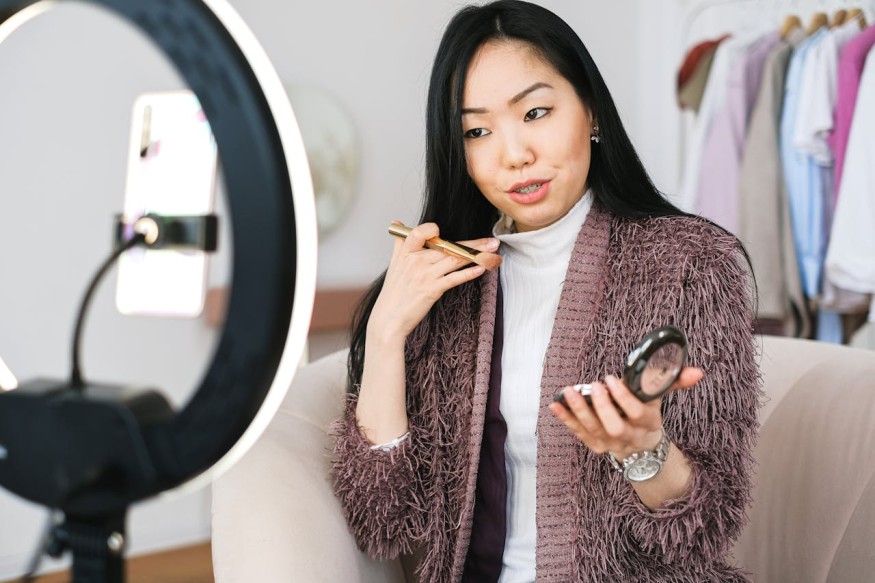
Influencer skincare brands are usually founded by creators or celebrities with large online audiences. Social platforms serve as the primary marketing engine.
Brands such as Rhode and Kylie Skin built strong communities before expanding into skincare.
What makes them successful?
- Strong branding and storytelling
- Trend awareness such as glazed skin or minimalist routines
- Visually appealing packaging
- Direct communication with followers
Influencer brands often excel at accessibility and relatability. Consumers may feel more connected to a founder they follow daily.
The challenge is that popularity does not always equal performance. Some influencer products are thoughtfully formulated, while others may rely heavily on marketing appeal.
Is Dermatologist Skincare More Effective?
When evaluating dermatologist vs influencer skincare, effectiveness depends on measurable factors.
Dermatologist-led brands often include:
- Higher concentrations of clinically supported actives
- Stability testing to preserve ingredient potency
- Fragrance-free or low-irritation formulas
For concerns such as acne, rosacea, or hyperpigmentation, targeted ingredients at the right percentage play a critical role. Dermatologists are trained to understand these thresholds.
That said, some influencer brands partner with experienced cosmetic chemists and labs. In those cases, performance can rival traditional medical brands.
Effectiveness ultimately comes down to formulation science rather than the founder's title.
Ingredient Transparency and Active Concentrations
Consumers increasingly read ingredient lists before purchasing. Transparency has become a key differentiator in the dermatologist vs influencer skincare discussion.
Factors that impact effective skincare
- Active ingredient percentage
- pH compatibility
- Stability of antioxidants
- Compatibility with different skin types
Dermatologist brands are more likely to publish clinical data or reference peer-reviewed studies. Influencer brands may focus more on simplified messaging.
However, transparency is not exclusive to medical brands. Some influencer-led companies clearly disclose percentages and testing methods, while certain dermatologist lines may not share detailed data publicly.
Marketing Influence vs Medical Authority
Trust plays a major role in purchasing decisions.
Influencers build trust through:
- Personal storytelling
- Demonstration videos
- Community engagement
Dermatologists build trust through:
- Medical training
- Years of patient experience
- Research credentials
The authority bias toward medical professionals can influence buying behavior, but relatability can be equally powerful. Consumers may feel reassured by clinical expertise or inspired by a familiar face.
Neither approach automatically guarantees effective skincare. Both rely on consumer perception as well as product performance.
Price and Value Comparison
Price often varies widely between dermatologist and influencer brands.
Dermatologist-led lines may charge more due to research and testing costs. Influencer brands may price products competitively to attract younger audiences.
Key value considerations include:
- Cost per ounce
- Cost per active ingredient concentration
- Longevity of results
- Risk of irritation or adverse reactions
In many cases, affordable dermatologist-developed drugstore options provide strong value. At the same time, certain influencer brands offer well-formulated products at mid-range prices.
The price tag alone does not determine whether a product qualifies as effective skincare.
Skin Type Matters More Than Brand Type
One overlooked factor in the dermatologist vs influencer skincare debate is skin individuality.
Oily, dry, acne-prone, and sensitive skin all respond differently to ingredients. A well-formulated influencer product may work beautifully for one person and cause breakouts for another. The same applies to dermatologist brands.
Consistency, proper layering, and realistic expectations influence results more than brand origin.
Choosing Effective Skincare Based on Evidence
Instead of focusing solely on the founder, consumers can evaluate products using a simple checklist:
- Does the product list clinically supported active ingredients?
- Are concentrations disclosed or supported by research?
- Is the formula appropriate for the user's skin type?
- Are there independent reviews discussing long-term results?
By shifting the focus from brand identity to formulation quality, the conversation around dermatologist vs influencer skincare becomes more practical and less polarizing.
Dermatologist vs Influencer Skincare: What Truly Delivers Results?
When comparing dermatologist vs influencer skincare, the distinction is less about who created the brand and more about how the products are formulated.
Effective skincare relies on stable ingredients, appropriate concentrations, skin compatibility, and consistent use. Some dermatologist-led brands excel in research-backed formulas. Some influencer brands invest heavily in cosmetic chemistry and testing.
Consumers who prioritize ingredient transparency, realistic claims, and long-term skin health are more likely to see meaningful improvements regardless of brand category.
Frequently Asked Questions
1. Is dermatologist skincare always better than influencer skincare?
Not necessarily. Dermatologist brands often rely on clinical research, but some influencer brands collaborate with experienced chemists and labs. Effectiveness depends on ingredients and formulation quality.
2. Are influencer skincare brands safe?
Most reputable brands follow cosmetic safety regulations. Consumers should still check ingredient lists, especially if they have sensitive or acne-prone skin.
3. What makes skincare truly effective?
Effective skincare includes clinically supported active ingredients at proper concentrations, stable formulations, and compatibility with the user's skin type.
4. How can someone choose between dermatologist vs influencer skincare?
Focus on ingredient transparency, active percentages, and skin needs rather than the founder's title. Reading reviews and consulting a licensed professional can also help guide decisions.