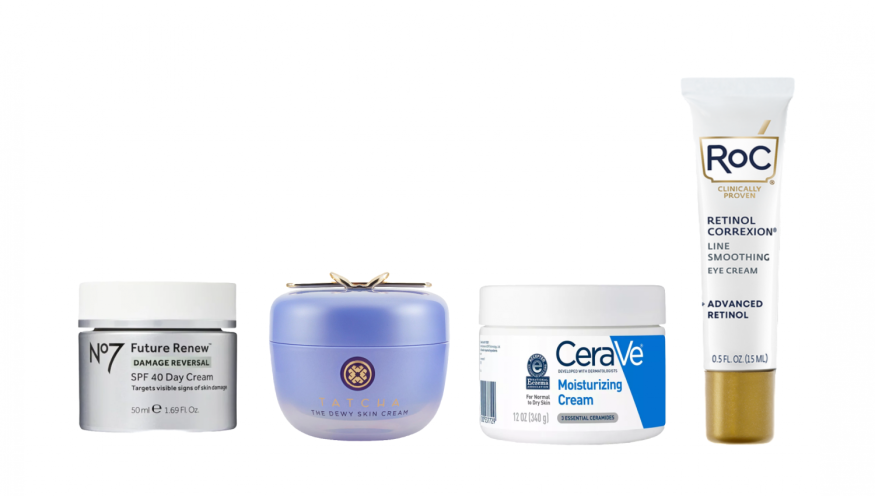
Walk into any beauty aisle and the contrast is obvious. One shelf holds sleek glass bottles with triple digit price tags. Another is packed with familiar brands priced for everyday routines. This gap fuels a common question in skincare conversations: is expensive skincare worth it, or can drugstore skincare deliver comparable results?
This article looks at how skincare actually works, what influences results, and when price truly matters. The focus stays on evidence, formulation, and practical use rather than brand prestige.
Why Some Skincare Products Cost So Much
High price tags are not random. Several factors influence how skincare is priced.
Luxury skincare brands often invest heavily in:
- Custom textures and elegant packaging
- Fragrance blends and sensory experience
- Brand positioning and marketing
- Research claims tied to proprietary ingredients
In some cases, higher prices reflect patented delivery systems or stability testing that helps active ingredients remain effective longer. In others, the cost is driven more by presentation than performance.
Expensive skincare can feel more refined on the skin, but that alone does not guarantee better results.
What Drugstore Skincare Brings to the Table
Drugstore skincare has evolved dramatically over the past decade. Many affordable brands now focus on clear ingredient labeling and science-backed formulations.
Key strengths of drugstore skincare include:
- Wide accessibility and consistent pricing
- Use of proven active ingredients
- Faster response to skincare research trends
Most importantly, drugstore products are held to the same safety and regulatory standards as luxury skincare. A lower price does not mean weaker oversight or unsafe formulation.
What Actually Makes Skincare Effective
Price does not determine how a product performs on skin. Effectiveness depends on a combination of factors.
Ingredients Matter More Than Branding
Active ingredients drive results. Examples include retinoids for acne and aging, niacinamide for barrier support, and salicylic acid for congestion.
What matters is:
- Ingredient concentration
- Stability of the formula
- Compatibility with skin type
A well-formulated drugstore serum can outperform an expensive cream if it delivers the right ingredients at the right strength.
Consistency and Routine Play a Bigger Role
Skin responds to regular use over time. A product used correctly for months often outperforms an expensive option that is used sparingly.
Many dermatologists emphasize routine adherence over brand loyalty.
Ingredient Comparison: Luxury vs Drugstore Skincare
Looking at labels often reveals surprising similarities between high-end and affordable products.
Common overlaps include:
- Hyaluronic acid for hydration
- Vitamin C for brightening
- Retinol derivatives for texture and tone
- Ceramides for barrier repair
Differences tend to appear in:
- Texture and absorption speed
- Fragrance or essential oil use
- Supporting ingredients that improve feel but not function
This comparison is where many consumers start to question whether expensive skincare is worth it for daily use.
When Expensive Skincare May Be Worth the Investment
There are situations where higher priced skincare offers advantages.
- Sensitive or reactive skin may benefit from advanced delivery systems that reduce irritation
- Formulas targeting niche concerns like post-procedure recovery may require specialized research
- Texture refinement can matter for people who struggle with layering or product pilling
In these cases, cost reflects complexity rather than prestige.
When Drugstore Skincare Makes More Sense
For many routines, drugstore skincare is the practical choice.
- Cleansers, sunscreens, and basic moisturizers perform well across price ranges
- Acne treatments and exfoliants often use standardized actives
- Budget-friendly options make consistency easier
Spending less on essentials can free up room to invest selectively where it matters most.
The Psychology of Skincare Pricing
Perception plays a powerful role in how products are experienced. Studies show people often report better results when they believe a product is premium.
This does not mean the improvement is imaginary, but expectation can influence satisfaction. Understanding this bias helps consumers make clearer decisions about whether expensive skincare is worth it for them personally.
How to Choose Between Expensive and Drugstore Skincare
A balanced approach often works best.
Consider the following before buying:
- What specific skin concern is being addressed
- Whether the active ingredient is well-researched
- How often the product will be used
- Past reactions to similar formulas
Reading ingredient lists and understanding skin needs usually leads to better outcomes than following price alone.
Is Expensive Skincare Worth It for Most People?
For many routines, results depend less on price and more on formulation quality and consistency. Drugstore skincare now offers strong options backed by science, making effective routines accessible without overspending.
Expensive skincare can offer refinements, not miracles. Choosing wisely means focusing on ingredients, skin compatibility, and realistic expectations rather than the number on the label.
Frequently Asked Questions
1. Is expensive skincare more effective than drugstore skincare?
Not always. Effectiveness depends on ingredients, formulation, and regular use. Many drugstore products use the same active ingredients as luxury options.
2. Why do some dermatologists recommend drugstore skincare?
Dermatologists often prioritize proven ingredients and patient compliance. Affordable products make it easier to maintain consistent routines.
3. Can mixing expensive and drugstore skincare work?
Yes. Many routines combine a few targeted high-end products with affordable basics to balance performance and cost.
4. How can someone tell if expensive skincare is worth it?
Review the ingredient list, research the active components, and consider whether similar formulas exist at lower prices. Performance matters more than packaging.