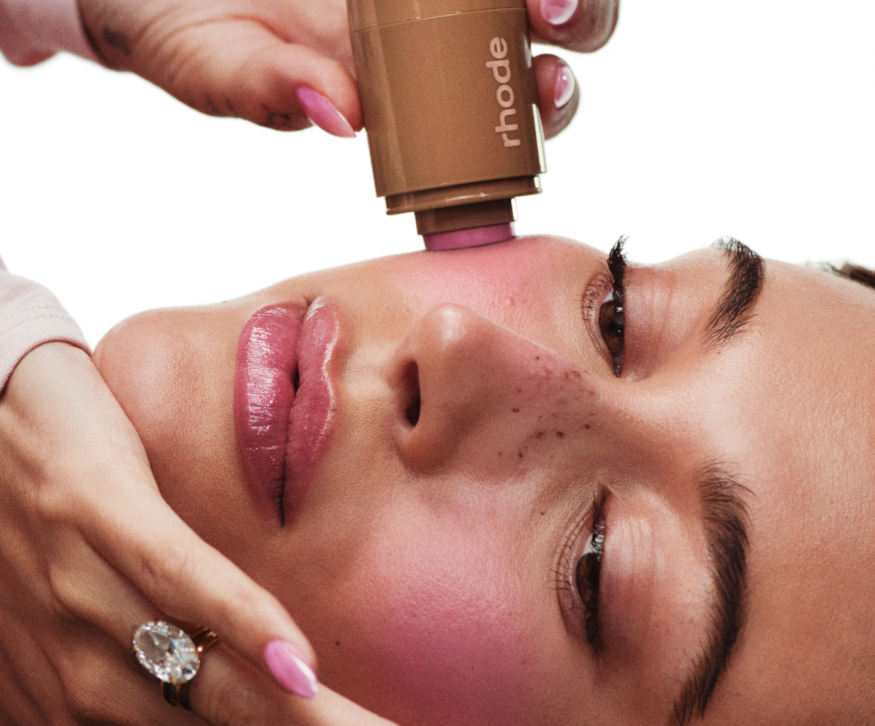
Celebrity beauty brands have become one of the most visible shifts in recent beauty industry trends. New skincare, makeup, and haircare labels appear almost weekly, often backed by a famous face and a viral launch campaign. Some break sales records in days. Others quietly disappear within a year.
This pattern raises a bigger question about what is really driving the rapid rise and equally fast decline of celebrity beauty brands. The answer lies in changing consumer behavior, faster product development cycles, and the growing gap between attention and trust.
The Acceleration of Celebrity Beauty Brand Launches
Celebrity beauty brands no longer take years to develop. Many are launched within months, sometimes even weeks, of a public announcement.
Several forces make this speed possible:
- White-label manufacturing allows celebrities to put their name on existing formulas with minimal development time
- Direct-to-consumer platforms remove the need for traditional retail rollouts
- Social media audiences create instant demand before products even ship
In today's beauty industry trends, visibility often matters more than originality at launch. A single viral video or influencer endorsement can generate enough momentum to justify a full product line.
This speed, however, often comes with trade-offs.
Why Fame Alone Is No Longer Enough
Early celebrity beauty brands benefited from novelty. Consumers were curious, supportive, and willing to experiment. That environment has changed.
Many shoppers now approach celebrity-led launches with skepticism, asking questions like:
- Is the celebrity actually involved in product development
- Does the brand solve a real skincare or makeup problem
- Is this product meaningfully different from existing options
When the answers are unclear, sales spikes tend to be short-lived.
Common gaps consumers notice quickly
- Packaging that looks premium but feels impractical
- Formulas that perform no better than drugstore alternatives
- Messaging that feels disconnected from real beauty concerns
In a crowded market, celebrity recognition may spark interest, but product performance determines longevity.
Oversaturation Is Reshaping Beauty Industry Trends
One of the biggest challenges facing celebrity beauty brands is oversaturation. The beauty market is no longer short on options. Consumers already have access to effective products at every price point.
As a result, beauty industry trends now favor brands that offer:
- Clear positioning and a focused product range
- Transparent ingredient choices and sourcing
- Long-term community engagement rather than launch hype
When multiple celebrity brands launch similar cleansers, lip kits, or serums, shoppers compare them more critically. The celebrity name stops being a differentiator and becomes background noise.

The Role of Social Media in Fast Failure
Social media fuels both rapid growth and rapid decline.
Platforms like TikTok and Instagram can push a product to instant fame, but they also amplify criticism just as quickly. Poor reviews, negative reactions, or claims of inauthenticity spread fast and linger longer than launch buzz.
Some patterns that accelerate failure include:
- Overpromising results that do not match real-world use
- Limited shade ranges or inclusivity gaps noticed immediately by online communities
- Defensive brand responses instead of transparent communication
In the current beauty industry trends, trust is built publicly and lost just as publicly.
Why Some Celebrity Beauty Brands Still Succeed
Not all celebrity beauty brands struggle. A smaller group manages to grow steadily and earn repeat customers.
These brands tend to share key traits:
- The celebrity has a believable connection to the product category
- Product development involves experienced formulators and testers
- Marketing focuses on education rather than personality alone
Successful brands often release fewer products, update formulas based on feedback, and avoid chasing every trend. They treat beauty as a long-term relationship, not a quick monetization opportunity.
What the Fast Failures Reveal About the Market
The high turnover of celebrity beauty brands reflects a broader shift in beauty industry trends. Consumers are more informed, more selective, and less impressed by surface-level branding.
Today's shoppers look for:
- Proof of effectiveness over storytelling
- Consistency instead of constant launches
- Brands that listen and adapt
Celebrity involvement can open the door, but it does not keep customers inside.
What This Means for the Future of Celebrity Beauty Brands
The next phase of celebrity beauty brands is likely to be quieter but more intentional. Instead of mass launches, future success may come from:
- Smaller, problem-specific product lines
- Longer development timelines
- Stronger alignment between personal brand and product purpose
As beauty industry trends continue to mature, the market is signaling that speed is no longer the ultimate advantage. Substance matters more than ever.
The Real Reason Celebrity Beauty Brands Rise and Fall So Quickly
The fast launch and fast failure cycle is not accidental. It reflects a beauty market that moves quickly but remembers longer. Celebrity beauty brands that rely only on attention struggle to survive once the spotlight shifts.
Those that slow down, invest in product quality, and respect consumer intelligence stand a better chance of lasting beyond the initial hype.
Frequently Asked Questions
1. Why are celebrity beauty brands so popular right now?
Celebrity beauty brands benefit from built-in audiences and social media reach. Fans are often curious to try products associated with people they follow, especially during launch phases.
2. Why do many celebrity beauty brands fail within a few years?
Many fail due to lack of differentiation, inconsistent product quality, or weak long-term strategy. Fame may drive first purchases, but it does not guarantee repeat customers.
3. Are celebrity beauty brands changing beauty industry trends?
Yes. They have accelerated launch timelines and increased competition. At the same time, their failures have pushed consumers to demand more transparency and better products.
4. Can celebrity beauty brands still succeed long term?
They can, but success usually requires genuine involvement, strong product development, and a clear brand purpose beyond celebrity status.