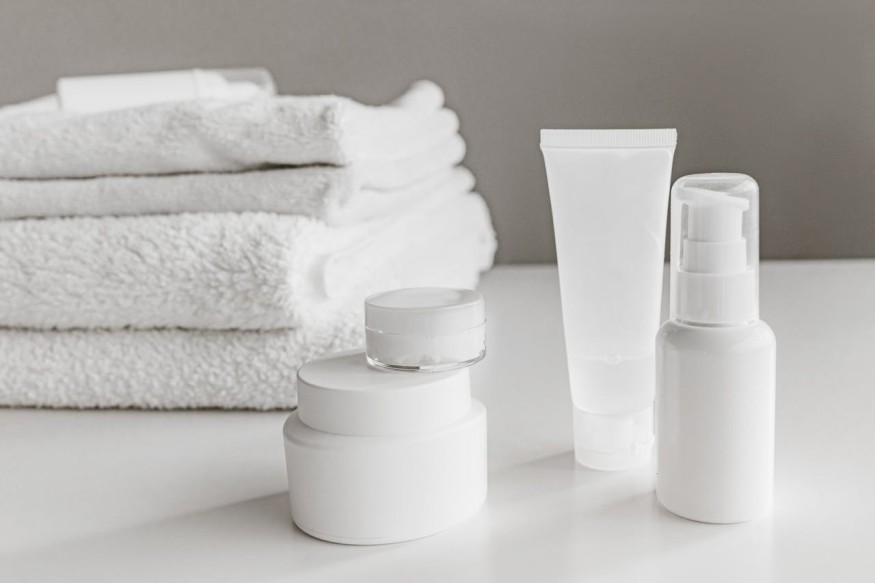
Beauty packaging is changing quietly but noticeably. Shelves once dominated by single-use plastic bottles now feature refill pods, reusable jars, and sleek containers designed to last for years. As more brands promote refill systems, the question becomes unavoidable: is refillable beauty packaging simply another eco trend, or does it represent a lasting shift toward sustainable beauty?
The answer sits at the intersection of consumer behavior, environmental pressure, and evolving design standards within the beauty industry.
What Refillable Beauty Packaging Really Means
Refillable beauty packaging refers to containers designed for repeated use, where only the product itself needs replacing. Instead of discarding an entire bottle or compact, consumers keep the main container and insert a refill.
Common refill formats include:
- Cartridge or pod systems that snap into a permanent case
- Lightweight refill pouches that reduce plastic use
- Refillable jars with replaceable inner cups
- In-store refill stations for liquids like shampoo or cleanser
This approach differs from recyclable packaging, which still relies on disposal and assumes proper recycling behavior. Refillable systems focus on reuse first, recycling second.
Why Sustainable Beauty Is Driving the Shift
The beauty industry produces billions of units of packaging every year, much of it plastic that is difficult to recycle due to mixed materials. As awareness grows, sustainable beauty is no longer niche as it has become a baseline expectation for many shoppers.
Several factors are accelerating interest in refillable beauty packaging:
- Increased concern about packaging waste and ocean pollution
- Younger consumers prioritizing eco-conscious purchasing
- Brand commitments to emissions reduction and waste targets
- Rising material costs encouraging packaging efficiency
Rather than marketing sustainability as a luxury feature, many brands now frame refill systems as a practical upgrade.
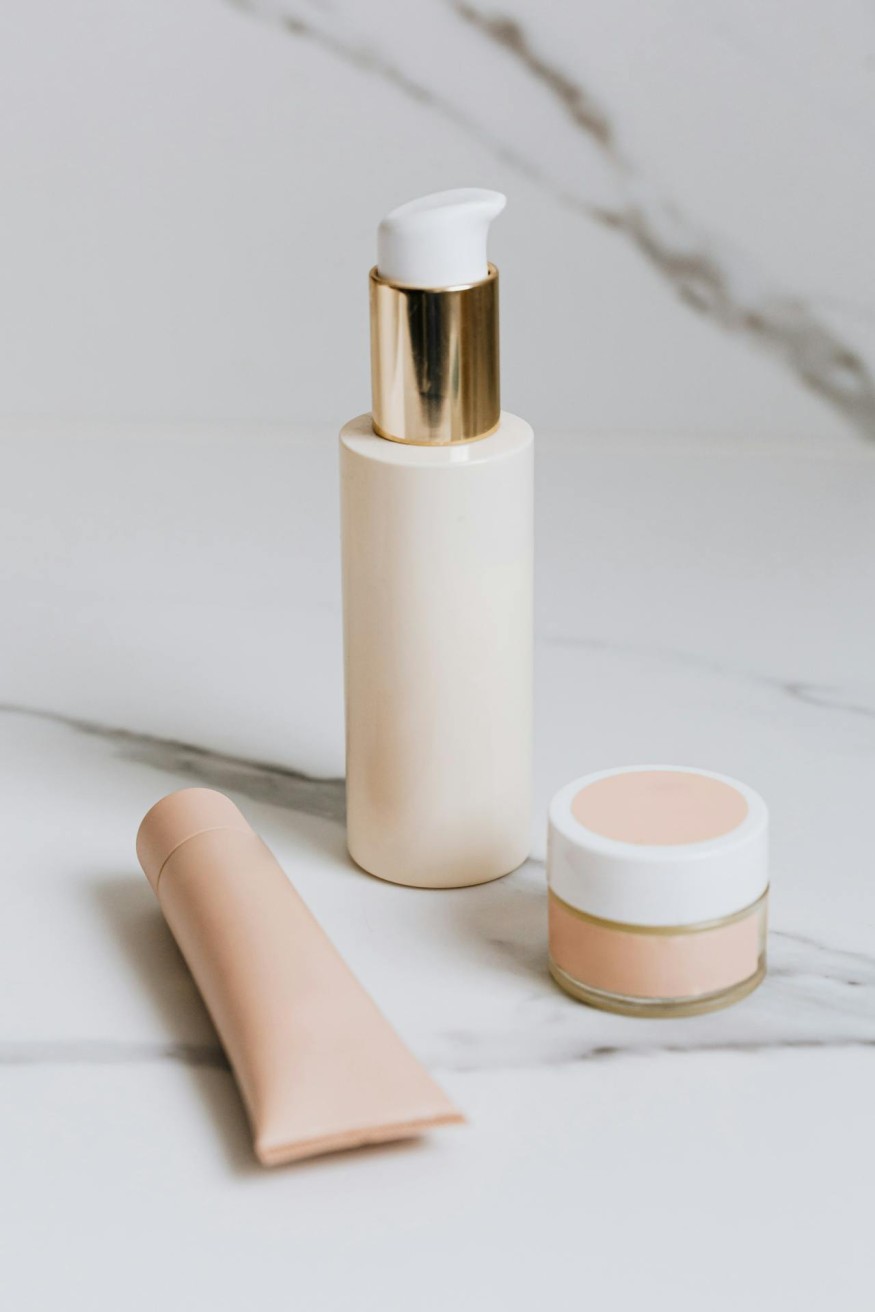
Is Refillable Beauty Packaging Actually More Sustainable?
The environmental impact of refillable beauty packaging depends on how often the container is reused. When a durable bottle or compact replaces multiple single-use units, the reduction in plastic, glass, and transportation weight can be significant.
Key sustainability benefits include:
- Lower material usage over time
- Reduced packaging waste per product use
- Smaller refill components requiring less energy to produce
- Fewer emissions from shipping lighter refills
However, refill systems only deliver environmental value if consumers commit to reuse. A refillable jar used once offers little advantage over traditional packaging.
Which Beauty Products Work Best With Refill Systems?
Not all beauty categories adapt equally to refills. Products with stable formulas and repeat purchase cycles tend to work best.
Most common refillable beauty categories include:
- Skincare: moisturizers, serums, eye creams
- Makeup: foundation compacts, powders, lipsticks
- Fragrance: refill bottles for signature scents
- Haircare: shampoo and conditioner refills
Products that require strict hygiene control or have short shelf lives present more challenges, which explains why refills appear unevenly across categories.
Do Consumers Actually Use Refill Systems?
Interest in sustainable beauty does not always translate into behavior. Convenience remains a major factor in adoption. When refill systems are easy to understand and readily available, consumers are more likely to participate.
What encourages refill adoption:
- Clear cost savings after the first purchase
- Refills that are easy to install or pour
- Availability online and in local stores
- Attractive, durable packaging worth keeping
Barriers still exist, especially where refills are harder to find than full products. Without consistent access, even eco-conscious shoppers may revert to single-use options.
Are Refillable Beauty Products More Expensive?
Refillable beauty packaging often costs more upfront because the primary container is designed for long-term use. Over time, refills tend to be less expensive than repurchasing the full product.
Cost factors typically look like this:
- Higher initial price for reusable packaging
- Lower cost per refill compared to full-size packaging
- Long-term savings for repeat buyers
From a sustainable beauty perspective, value is measured not only in price but in reduced waste and resource use. Still, affordability remains critical for broader adoption.
How Refillable Packaging Is Reshaping Beauty Design
Refill systems have influenced packaging aesthetics in unexpected ways. Containers are now designed to be displayed, reused, and handled frequently, pushing brands toward more timeless, durable designs.
Design priorities include:
- Strong materials that withstand repeated use
- Modular components that are easy to replace
- Minimal branding to extend visual longevity
- Refillable mechanisms that feel intuitive
This design shift reflects a move away from disposable thinking and toward ownership that lasts beyond a single product cycle.
Refillable Beauty Packaging and the Future of Sustainable Beauty
Refillable beauty packaging appears less like a passing trend and more like a structural adjustment within the industry. As regulations tighten and consumer expectations evolve, reuse-based models are gaining traction alongside recycling and reduced packaging strategies.
While refill systems will not replace all beauty packaging, they are becoming a central pillar of sustainable beauty efforts. Their success will depend on accessibility, education, and thoughtful design rather than marketing alone.
Why Refillable Beauty Packaging Is Reshaping Sustainable Beauty
Refillable systems signal a broader rethink of how beauty products are consumed and disposed of. Instead of treating packaging as temporary, refillable beauty packaging encourages long-term use, accountability, and conscious purchasing. As sustainable beauty continues to mature, refills represent a practical step toward reducing waste without sacrificing product experience.
Frequently Asked Questions
1. What is refillable beauty packaging?
Refillable beauty packaging uses a reusable container paired with replaceable product refills, reducing the need to discard full packaging after each use.
2. Is refillable beauty packaging better for the environment?
It can be more sustainable when containers are reused multiple times, lowering overall material use and packaging waste.
3. Why is sustainable beauty focusing on refills?
Refills help reduce single-use packaging, align with waste reduction goals, and appeal to consumers seeking practical sustainability.
4. Are refillable beauty products worth buying?
They often cost more initially but can save money over time while supporting sustainable beauty practices.