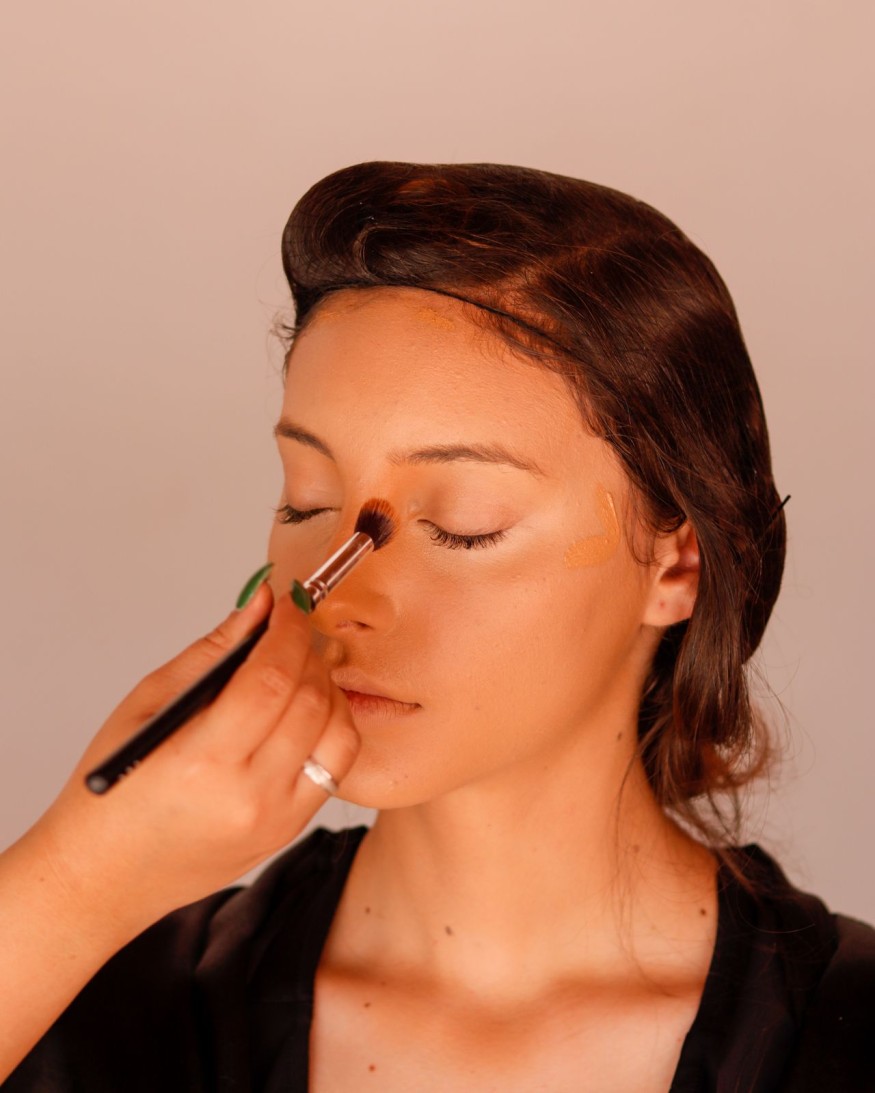
For years, sharp contouring dominated beauty trends. Defined cheekbones, sculpted jawlines, and dramatic shadows became staples of social media inspired makeup looks. In 2026, however, the industry is embracing a softer approach. Beauty enthusiasts, makeup artists, and brands are increasingly favoring soft sculpting, a technique that enhances facial structure without obvious lines or heavy contrast.
This shift reflects a broader movement toward natural-looking beauty. Rather than reshaping the face with visible contour placement, today's techniques focus on creating dimension through seamless blending and skin-like finishes. The result is a fresh, polished appearance that looks effortless both in person and on camera.
What Is Soft Sculpting?
Soft sculpting is a contouring method designed to create subtle definition using diffused shadows and carefully blended products. Instead of carving out the face with strong lines, it focuses on enhancing existing features.
The technique works by adding gentle depth where natural shadows already occur, helping facial features appear more balanced and refined.
Key characteristics of soft sculpting include:
- Soft, blurred edges
- Buildable product application
- Skin-like finishes
- Natural-looking dimension
- Minimal contrast between contour and complexion
Unlike traditional contouring methods that often prioritize dramatic transformation, soft sculpting aims to complement facial features rather than alter them.
What Is Sharp Contour?
Sharp contour refers to the highly defined contouring style that gained popularity through beauty influencers, red carpet makeup, and social media tutorials. This technique uses deeper contour shades and precise placement to create strong shadows and dramatic facial definition.
Common features include:
- Clearly visible contour lines before blending
- Intense cheekbone definition
- Sculpted jawlines
- High contrast between highlight and contour
- Matte finishes
While this style can create striking results in photos and videos, it may sometimes appear less natural in everyday settings. As beauty trends continue to evolve, many consumers are choosing softer alternatives that provide dimension without obvious makeup lines.
Why Is Soft Sculpting Trending in 2026?
The popularity of soft sculpting aligns with the growing preference for makeup that enhances rather than masks the skin.
Several factors have contributed to this shift:
- Increased focus on healthy, radiant skin
- Demand for quick and wearable makeup routines
- Popularity of lightweight complexion products
- Growing appreciation for effortless beauty
- Desire for makeup that looks natural in both real life and digital content
Many makeup artists now prioritize techniques that blend seamlessly into the skin. Instead of dramatic transformations, the emphasis is on creating subtle depth that appears authentic and flattering.
Soft Sculpting vs. Sharp Contour: The Key Differences
Although both techniques add dimension to the face, their execution and final appearance differ significantly.
Application Style
Sharp contour often relies on precise placement and stronger pigment concentration. Product is strategically applied to create visible structure before blending.
Soft sculpting takes a gentler approach. Placement is more diffused from the start, allowing contour shades to melt naturally into the complexion.
Final Appearance
The most noticeable difference is the finish.
Sharp contour creates:
- Dramatic definition
- Pronounced shadows
- Structured facial features
Soft sculpting creates:
- Subtle enhancement
- Natural dimension
- Smooth transitions between products
Everyday Wearability
Many beauty enthusiasts find soft sculpting easier to wear throughout the day because it complements a variety of makeup styles. It pairs effortlessly with minimal makeup, glowing skin, and modern beauty trends centered around natural finishes.
How to Create a Natural Contouring Effect
One reason natural contouring continues to gain popularity is its versatility. The technique works across different face shapes, skin tones, and makeup preferences.
For the most seamless results, makeup artists often recommend:
Choose Cream or Balm Formulas
Cream based products blend more naturally into the skin than heavily pigmented powders. They create soft shadows that mimic natural facial dimension.
Apply Less Product Initially
Building color gradually allows for greater control. It is easier to add depth than to remove excess contour.
Blend Beyond the Placement Area
Blending should extend slightly beyond where the product was first applied. This helps eliminate harsh edges and creates a smooth transition between contour and foundation.
Match Undertones Carefully
Contour products should resemble natural shadows rather than bronzer. Cool or neutral undertones typically provide the most realistic effect.

The Role of Blended Makeup in Modern Beauty
The rise of blended makeup has played a major role in the popularity of soft sculpting. Across all makeup categories, blending has become one of the most important techniques for achieving a polished finish.
Modern makeup trends emphasize:
- Diffused blush placement
- Seamless contour transitions
- Softly blended eyeshadow
- Natural-looking highlights
- Skin-focused finishes
This approach creates harmony throughout the face, ensuring that no single feature appears overly defined or disconnected from the rest of the makeup look.
Rather than drawing attention to the products themselves, blended makeup allows the overall result to take center stage.
Common Mistakes That Can Make Contour Look Harsh
Even when aiming for a softer finish, certain application habits can create an overly sculpted appearance.
Some common mistakes include:
- Using contour shades that are too dark
- Applying too much product at once
- Neglecting proper blending
- Layering excessive powder products
- Choosing formulas that appear dry on the skin
Avoiding these issues helps maintain the soft, diffused effect that defines modern contouring techniques.
Why Soft Sculpting Is Shaping the Future of Makeup
Beauty trends often evolve in response to changing preferences, and today's consumers increasingly value makeup that looks effortless and adaptable. Soft sculpting offers a balanced approach by providing definition without sacrificing a natural appearance.
As skincare inspired beauty continues to influence product development, contour formulas are becoming lighter, creamier, and easier to blend. This evolution supports the growing demand for natural contouring and sophisticated, skin-like finishes.
The New Era of Natural Dimension
The movement from sharp contour to soft sculpting reflects a broader appreciation for realistic beauty and refined artistry. By focusing on seamless transitions, subtle shadows, and blended makeup techniques, modern contouring creates dimension that enhances rather than dominates facial features. As beauty trends continue to favor natural finishes, soft sculpting is proving that definition does not require harsh lines to make an impact.
Frequently Asked Questions
1. What is the difference between soft sculpting and contouring?
Soft sculpting is a contouring technique that creates subtle, diffused dimension. Traditional contouring often focuses on stronger definition and more visible shadows.
2. Is soft sculpting suitable for all face shapes?
Yes. Soft sculpting can be adapted to different face shapes because it enhances natural features rather than following a single contour placement method.
3. What products work best for natural contouring?
Cream contours, contour sticks, liquid sculpting products, and balm formulas are commonly used because they blend easily and create a skin-like finish.
4. How can makeup look more blended and natural?
Using lightweight products, applying makeup in thin layers, and thoroughly blending edges can help create a softer, more seamless appearance.