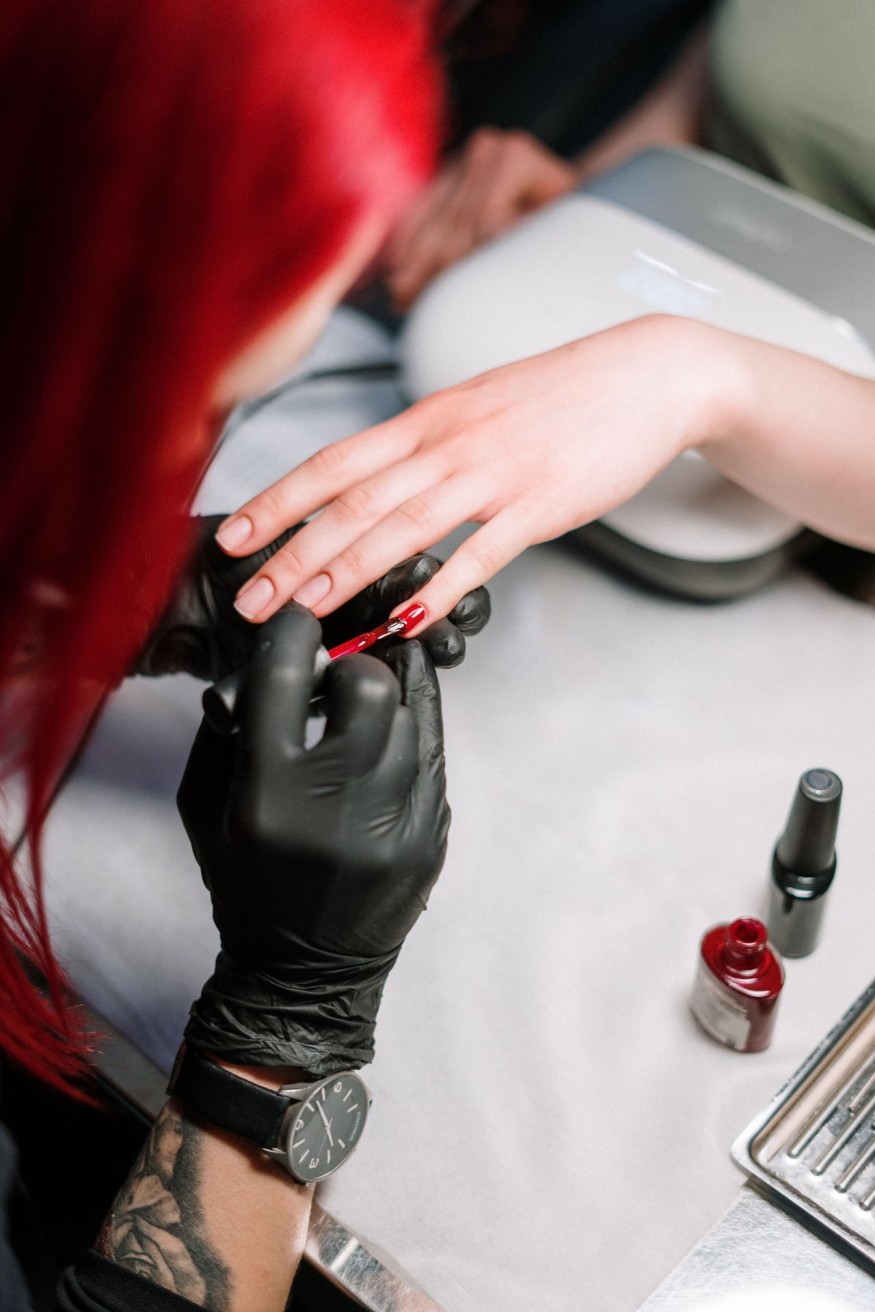
Healthy nails are often seen as a beauty detail, but they also reflect everyday habits, product choices, and overall nail care routines. While manicures are a staple in many beauty routines, the ideal frequency is not one-size-fits-all. Nail technicians often assess nail condition, lifestyle, and maintenance habits before recommending a schedule.
This guide breaks down expert manicure tips, practical nail care advice, and a complete nail health guide to help make sense of how often manicures should really happen and what actually keeps nails strong between appointments.
What Really Happens to Nails During a Manicure
A manicure is more than just polish application. It involves a series of steps that affect the nail plate, cuticles, and surrounding skin. Understanding these steps helps explain why timing matters.
A typical manicure includes:
- Nail trimming and shaping to maintain structure
- Cuticle softening and gentle removal of excess skin
- Buffing the nail surface for smoothness and polish grip
- Hydration through oils or creams
- Application of polish, gel, or protective coatings
Each step has benefits, but repeated aggressive filing or over-buffing can gradually weaken the nail surface. Nail technicians emphasize that technique matters just as much as frequency when it comes to long-term nail health.
Gel and acrylic services add another layer. While they provide durability, improper removal can stress the nail plate and affect future growth. This is why a balanced schedule is part of any proper nail health guide.
How Often Should a Manicure Be Done for Healthy Nails
Nail professionals typically adjust recommendations based on nail type and lifestyle rather than a strict rule.
General timing guidelines include:
- Basic manicure: every one to two weeks for maintenance and reshaping
- Gel manicure: every two to three weeks depending on regrowth and lifting
- Natural nails without polish: every two to four weeks for shaping and cuticle care
However, frequency is influenced by several factors:
- Nail growth speed and natural strength
- Exposure to water, cleaning products, or manual work
- Use of gel or acrylic enhancements
- Personal preference for polish appearance
Over-frequent manicures, especially those involving heavy filing or repeated gel removal, may lead to thinning over time. A balanced approach allows nails to recover while still maintaining a polished look.
Practical Manicure Tips for Stronger, Healthier Nails
Consistent care between appointments is just as important as salon visits. These manicure tips help extend the life of each service while supporting nail strength.
- Keep nails slightly rounded or soft square to reduce breakage
- Avoid cutting cuticles too aggressively since they protect the nail matrix
- Use a glass file instead of coarse metal files to prevent splitting
- Apply a base coat even with natural nail polish for added protection
- Reapply cuticle oil daily to maintain hydration
Additional habits that support nail health:
- Wearing gloves during cleaning or dishwashing
- Avoiding peeling off gel polish at home
- Giving nails short breaks between gel applications when possible
These small adjustments reduce stress on the nail plate and support healthier regrowth over time.

Nail Care Advice Between Salon Visits
Salon visits are only part of the equation. Daily habits often determine whether nails remain strong or become brittle.
A consistent nail care advice routine includes:
Hydration matters
- Moisturizing hands and nails regularly prevents dryness and cracking
- Cuticle oil helps maintain elasticity around the nail base
Protection matters
- Harsh detergents can strip natural oils, so barrier protection is important
- Gloves are essential for cleaning tasks or prolonged water exposure
Maintenance matters
- Light filing at home prevents snags from turning into breaks
- Keeping nails clean under the free edge reduces buildup and irritation
Many nail technicians emphasize that consistent home care often reduces the need for frequent salon corrections.
Nail Health Guide for Long-Term Strength
A proper nail health guide focuses on long-term resilience rather than short-term appearance. Healthy nails are smooth, flexible, and free from persistent peeling or ridges.
Key elements of nail health include:
Nutrition and internal support
- Nails benefit from protein-rich foods and adequate hydration
- Vitamins and minerals contribute to stronger nail structure over time
Avoiding over-processing
- Excess buffing weakens the nail surface
- Repeated gel removal without rest periods can thin the nail plate
Product awareness
- Choosing breathable or strengthening base coats supports nail integrity
- Acetone use should be balanced with proper rehydration afterward
Observation habits
- Changes in nail color, texture, or growth pattern can indicate stress
- Early attention to these signs helps prevent long-term damage
When combined, these practices create a foundation that supports both appearance and durability.
Healthy Nails Beyond the Salon: Building a Sustainable Routine
Maintaining strong nails is less about frequent appointments and more about consistency. A balanced routine blends professional manicures with mindful daily care, ensuring nails stay protected rather than overworked.
The most effective approach combines thoughtful manicure tips, consistent nail care advice, and a long-term nail health guide that adapts to lifestyle needs. Instead of focusing on how often to book an appointment, the better question becomes how well nails are cared for between each one.
Frequently Asked Questions
1. How often should nails be professionally manicured?
Most nail technicians recommend every one to two weeks for regular manicures. Gel services may last slightly longer depending on growth and wear.
2. Is it safe to get a manicure every week?
Weekly manicures can be safe if done gently, but repeated aggressive filing or gel removal may stress the nail plate over time.
3. What happens if manicures are done too often?
Over-frequent treatments may lead to thinning, dryness, or sensitivity in the nail bed, especially if cuticles are overworked or polish is removed improperly.
4. Can nails recover from damage caused by manicures?
Yes, nails naturally grow out damage over time. Supporting recovery with hydration, reduced chemical exposure, and proper nail care advice helps restore strength gradually.