
Nail care has traditionally focused on shaping, polishing, and strengthening, while sun protection has largely been associated with skin only. Dermatologists are now drawing attention to an overlooked area of concern: UV damage nails. While the effects of ultraviolet exposure on skin are well documented, nails are also susceptible to cumulative damage that can affect their appearance, texture, and resilience over time.
This growing awareness has led to renewed interest in protective innovations such as the SPF nail topcoat, a product category designed to extend sun protection to the nail plate itself. Alongside broader conversations around sunscreen for nails, the beauty industry is beginning to address what experts describe as a long-standing gap in routine photoprotection.
How UV Damage Affects Nail Health
UV radiation, particularly UVA, can penetrate the nail structure and surrounding skin tissue. Unlike skin, nails do not burn or visibly react in the same immediate way, which often leads to underestimated exposure.
Over time, UV damage nails may present several visible and structural changes:
- Increased brittleness and dryness
- Discoloration, including yellowing or dullness
- Splitting or peeling at the nail edge
- Slower, uneven growth patterns
- Weakening of the nail plate structure
Keratin, the protein that forms the nail, gradually breaks down under repeated exposure. This contributes to reduced flexibility and a higher likelihood of breakage, especially in individuals frequently exposed to sunlight or artificial UV sources.
Why Sunscreen for Nails Has Been Historically Overlooked
The idea of sunscreen for nails is relatively new in mainstream beauty care. One reason for this oversight is the assumption that nails are naturally protected because they are not living tissue in the same way skin is. However, the nail matrix and surrounding nail bed remain biologically active and vulnerable.
Common Reasons Protection Was Not Prioritized:
- Nails are not perceived as sun-sensitive like skin
- Lack of immediate visible sunburn response
- Focus of SPF education centered on skin cancer prevention
- Limited availability of nail-specific photoprotection products
Dermatologists note that while nails may not show acute damage, long-term exposure contributes to gradual weakening that becomes more noticeable with age or repeated cosmetic treatments.
UV Exposure From Nail Treatments
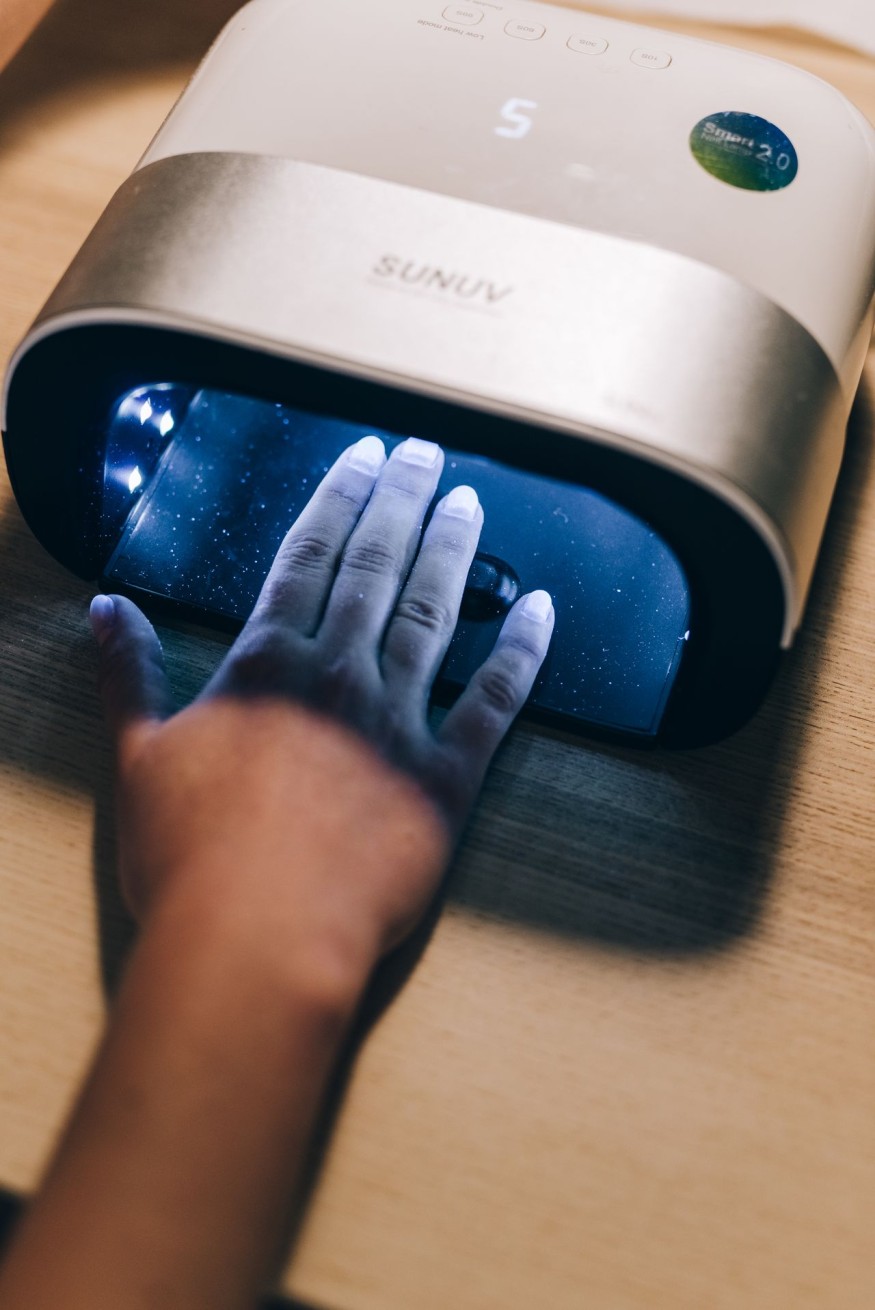
One of the most discussed contributors to UV damage nails is exposure during gel manicures. UV or LED lamps used to cure gel polish emit light that activates hardening agents in the polish, but also introduces repeated UVA exposure to the nail plate and surrounding skin.
While occasional exposure is considered low risk, repeated salon visits can contribute to cumulative effects over time.
Key concerns include:
- Frequent UVA exposure during curing sessions
- Repeated stress on already treated or weakened nails
- Potential impact on cuticle and periungual skin health
This has increased interest in protective solutions that can be used before or during cosmetic nail procedures.
SPF Nail Topcoat as a Protective Innovation
The introduction of the SPF nail topcoat represents a shift in how nail health is being approached. Instead of treating damage after it occurs, these products aim to create a protective barrier that reduces UV penetration.
An SPF nail topcoat is typically designed as a clear or lightly tinted finishing layer applied over natural nails or polish. It combines cosmetic wear with UV-filtering ingredients that help shield the nail surface.
How SPF Nail Topcoat Works:
- Forms a thin protective film over the nail plate
- Helps filter UVA and UVB exposure
- Maintains a natural finish without heavy pigmentation
- Can be layered with regular manicure products
Although still an emerging category, dermatology professionals view it as a practical step toward integrating nail protection into everyday routines.
Ways to Reduce UV Damage to Nails
Nail protection does not rely on a single product. A combination of habits and protective measures is often recommended, especially for individuals with frequent sun or salon exposure.
- Apply sunscreen for nails or SPF nail topcoat before outdoor activities
- Reapply protective layers during prolonged sun exposure
- Use protective gloves when spending extended time outdoors
- Limit unnecessary UV lamp exposure during nail treatments
- Maintain hydration through nail oils and conditioning treatments
These practices help reduce cumulative stress on the nail plate and support long-term nail resilience.
Who Is More Likely to Experience UV Damage Nails
While anyone exposed to sunlight can experience gradual nail changes, certain groups may be more susceptible to UV damage nails due to lifestyle or grooming habits.
- Individuals who frequently receive gel manicures
- Outdoor workers and athletes exposed to prolonged sunlight
- People with naturally thin or brittle nails
- Those living in high sun exposure environments
- Individuals who do not use any form of nail protection
Awareness of risk factors is becoming an important part of preventive nail care discussions within dermatology and beauty communities.
The Future of Sunscreen for Nails in Beauty Care
The rise of sunscreen for nails reflects a broader shift toward comprehensive photoprotection in beauty routines. As consumers become more ingredient-aware and prevention-focused, nail care is expected to evolve beyond cosmetic appearance alone.
Ongoing developments include:
- More advanced transparent UV-blocking formulations
- Lightweight SPF nail topcoat products with improved durability
- Integration of nail protection into everyday manicure systems
- Increased dermatologist-led education on nail sun safety
As research expands, nail photoprotection may become a standard step in both professional and at-home nail care routines.
Protecting Nails From UV Exposure in Everyday Routines
The conversation around UV protection is gradually expanding beyond skin, bringing attention to nail health as part of overall aesthetic care. UV damage nails is no longer viewed as a niche concern but as a cumulative condition influenced by both environmental exposure and cosmetic habits.
With innovations such as the SPF nail topcoat, protection is becoming more accessible and easier to integrate into daily routines. While awareness is still developing, the shift toward preventive nail care signals a broader understanding of how UV exposure affects all layers of the body, including the often-overlooked nail plate.
Frequently Asked Questions
1. Do nails really need sunscreen for protection?
Yes, nails can experience cumulative UV exposure that contributes to brittleness and discoloration. A sunscreen for nails helps reduce this long-term damage.
2. Can UV damage nails during gel manicures?
Yes, repeated exposure to UV or LED curing lamps can contribute to UV damage nails, especially with frequent salon visits over time.
3. What is an SPF nail topcoat used for?
An SPF nail topcoat is a protective layer applied over nails to help filter UV radiation while maintaining a natural or polished look.
4. How often should SPF nail protection be applied?
It is typically applied before sun exposure and reapplied as needed, especially during extended outdoor activities or repeated UV exposure.