The beauty industry has changed dramatically with the rise of social media. Instead of relying only on celebrity endorsements and glossy magazine campaigns, many consumers now turn to beauty micro influencers for skincare advice, makeup tutorials, and honest product recommendations. These smaller scale beauty creators have built loyal communities that value authenticity, relatable content, and real experiences.
As influencer marketing continues to shape the beauty world, brands are paying closer attention to creators with engaged audiences rather than massive follower counts. Beauty micro influencers are now driving conversations around skincare routines, makeup techniques, and trending products across platforms like TikTok, Instagram, and YouTube.
What Are Beauty Micro Influencers?
Beauty micro influencers are content creators who focus on beauty related topics while maintaining a smaller but highly engaged audience. They typically create content around:
- Makeup tutorials
- Skincare routines
- Product reviews
- Haircare tips
- Beauty trend discussions
Unlike celebrity influencers, these beauty creators often appear more approachable and relatable to viewers. Their followers see them as everyday people who genuinely enjoy sharing beauty discoveries and techniques.
Many audiences appreciate the detailed and conversational style of content produced by beauty micro influencers. Whether reviewing a new serum or testing viral makeup products, these creators often provide insights that feel more personal and trustworthy.
Read more: Beauty Device 2026: Smart At Home LED Light Therapy and Microcurrent Tools Everyone Wants
Why Audiences Trust Beauty Creators
Trust plays a major role in the success of influencer marketing. Beauty consumers want honest opinions before purchasing products, especially when skincare and cosmetics can be expensive or highly personal.
Beauty creators build credibility through consistency and transparency. Instead of polished advertisements, followers often see real time product testing, unfiltered skin updates, and detailed wear tests.
Several factors contribute to this growing trust:
- Authentic storytelling
- Niche expertise in skincare or makeup
- Regular interaction with followers
- Realistic beauty routines
- Honest feedback about products
Many beauty micro influencers also respond directly to comments and questions, creating a stronger sense of community compared to larger influencers.
The Role of Influencer Marketing in Beauty
Influencer marketing has become one of the most influential strategies in the beauty industry. Brands collaborate with beauty creators to introduce products to highly targeted audiences who are already interested in cosmetics and skincare.
Instead of traditional advertising alone, companies now rely on creators to demonstrate products in practical and relatable ways. A short makeup tutorial or skincare routine can quickly introduce thousands of viewers to a new launch.
Common influencer marketing strategies include:
- Sponsored product reviews
- Affiliate partnerships
- Brand ambassador programs
- Tutorial collaborations
- Product launch campaigns
Beauty micro influencers are especially valuable because their audiences often view recommendations as genuine rather than purely promotional.
How Social Media Changed Beauty Content
Social media platforms have transformed how beauty information is shared and consumed. Short form videos, live tutorials, and interactive content allow beauty creators to connect with audiences instantly.
TikTok has become a major platform for viral beauty trends. Quick tutorials and product demonstrations can push a product into mainstream popularity within days. Instagram remains important for visual storytelling, while YouTube continues to dominate long form beauty education.
Popular beauty content formats include:
- Get Ready With Me videos
- Morning skincare routines
- Makeup transformation tutorials
- Ingredient breakdowns
- Product comparisons
These formats make beauty advice easier to understand and more engaging for viewers.
Why Brands Prefer Beauty Micro Influencers
Many beauty companies now work with smaller creators because of the strong relationships they have built with their followers. While celebrity endorsements still exist, audiences increasingly value creators who appear relatable and knowledgeable.
Beauty micro influencers also tend to focus on specific niches. Some specialize in acne prone skin, while others focus on clean beauty, luxury makeup, or budget friendly products.
Brands benefit from this targeted approach because it helps them reach highly interested audiences. Working with multiple beauty creators also allows brands to appear across different communities and content styles.
Key advantages include:
- More authentic audience engagement
- Niche beauty expertise
- Strong community interaction
- Flexible content creation
- Detailed product education
This shift has made influencer marketing more community driven rather than celebrity centered.
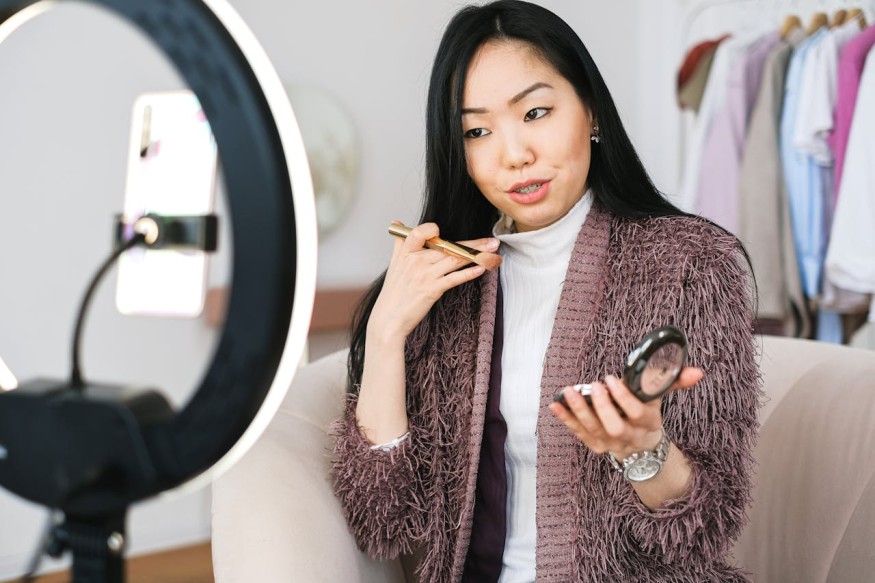
Challenges Beauty Micro Influencers Face
Although the industry continues to grow, beauty creators face several challenges behind the scenes. Creating consistent content requires time, creativity, and ongoing engagement.
Social media algorithms also change frequently, making it difficult for creators to maintain visibility. A creator may spend hours filming and editing content only for it to reach a limited audience.
Other common challenges include:
- Content burnout
- Pressure to follow trends
- Balancing sponsored and organic content
- Managing audience expectations
- Staying relevant in a crowded space
Despite these obstacles, many beauty micro influencers continue building loyal communities through authenticity and consistency.
The Future of Beauty Creators and Influencer Marketing
The future of influencer marketing in beauty appears increasingly focused on personalization and niche communities. Consumers now seek creators who align with their individual beauty goals, skin concerns, and personal style.
Beauty creators are also becoming more educational in their approach. Instead of simply recommending products, many now explain ingredients, application techniques, and skincare science in accessible ways.
Several trends are shaping the future of the beauty industry:
- Growth of skincare education content
- Expansion of inclusive beauty communities
- Rise of minimalist beauty routines
- Increased focus on ingredient transparency
- More collaborations between brands and niche creators
As audiences continue prioritizing authenticity, beauty micro influencers are likely to remain central voices in beauty culture.
Why Beauty Micro Influencers Continue to Shape the Beauty Industry
Beauty micro influencers have transformed how consumers discover products, learn techniques, and engage with beauty culture online. Their relatable content and community focused approach have made influencer marketing feel more personal and informative.
As social media platforms continue evolving, beauty creators will likely remain influential sources of beauty inspiration, skincare education, and product discovery. Audiences increasingly value creators who provide honest insights and practical advice, making beauty micro influencers an important part of the modern beauty landscape.
Frequently Asked Questions
1. What is a beauty micro influencer?
A beauty micro influencer is a content creator with a smaller but highly engaged audience who focuses on topics like skincare, makeup, and beauty trends.
2. Why are beauty micro influencers popular?
They are popular because audiences often view their recommendations as more relatable, authentic, and trustworthy than traditional celebrity endorsements.
3. How does influencer marketing work in the beauty industry?
Influencer marketing involves brands partnering with beauty creators to promote products through tutorials, reviews, social media posts, and other types of beauty content.
4. Which platforms are best for beauty creators?
TikTok, Instagram, and YouTube are among the most popular platforms for beauty creators because they support visual tutorials, product reviews, and interactive content.