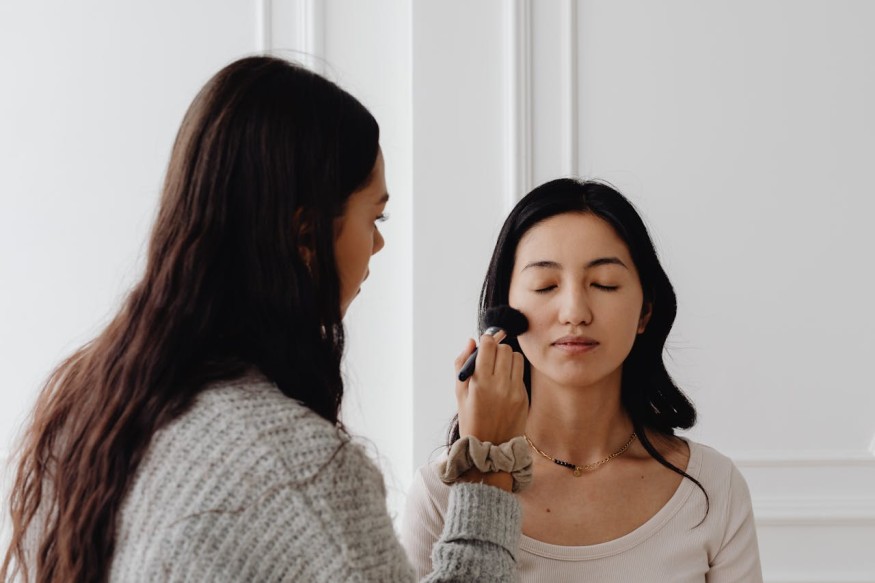
Scrolling through social media often reveals endless homemade remedies promising clearer skin, shinier hair, and instant glow. Some of these ideas are harmless and useful, while others can irritate skin or waste time. That is why it helps to separate practical methods from viral myths. The best DIY beauty hacks are usually simple, gentle, and based on ingredients with a long history of everyday use.
Many people turn to at-home remedies because they are affordable and convenient. Others prefer natural skincare options with fewer ingredients than some commercial products. While homemade treatments are not a replacement for a full skincare routine, certain methods can offer temporary benefits and complement healthy habits. Understanding what works and what to avoid can make these beauty tips far more effective.
Why DIY Beauty Hacks Stay Popular
Beauty trends come and go, but homemade remedies continue to attract attention for several reasons.
People often like them because they are:
- Budget-friendly
- Easy to try with items already at home
- Simple to customize
- Appealing to those interested in natural skincare
- Shared widely through social media tutorials
The popularity of DIY beauty hacks also comes from the idea that beauty routines do not always need expensive products. In many cases, consistency and gentle care matter more than price.
Read more: Underconsumption Trend in Beauty: How Minimalist Beauty Is Redefining Simplified Skincare
What Makes a DIY Beauty Hack Actually Work?
Not every homemade remedy deserves attention. The methods that tend to work best usually do one of three things: hydrate, soothe, or gently smooth the skin.
Helpful treatments often include ingredients known for mild benefits, such as:
- Oatmeal for calming irritated skin
- Honey for softening and moisture support
- Aloe vera for soothing dry or warm skin
- Yogurt for gentle surface exfoliation
- Coconut oil for dry areas, depending on skin type
The most reliable beauty tips focus on realistic results. A homemade mask may soften skin or reduce temporary dryness, but it will not erase deep wrinkles overnight.
DIY Beauty Hacks That Actually Work
1. Oatmeal Mask for Calm Skin
Plain oatmeal has long been used to comfort sensitive skin. When mixed with water into a soft paste, it can help calm temporary redness and dryness.
How to use it:
- Blend oats into a fine powder if possible
- Mix with lukewarm water
- Apply for a short period
- Rinse gently
This is one of the most practical natural skincare remedies for skin that feels stressed.
2. Honey for Soft, Hydrated Skin
Honey is commonly used in skincare because it helps draw moisture to the skin and leaves a smooth feel after rinsing.
Best uses include:
- Dry patches
- Dull skin before an event
- Quick moisture boost during colder weather
A thin layer is usually enough. Sticky applications are unnecessary and harder to remove.
3. Chilled Tea Bags for Puffy Eyes
Cold tea bags placed over closed eyes can offer a refreshing effect and help reduce the look of morning puffiness. The cooling sensation often provides the biggest benefit.
This method works best when:
- Tea bags are cooled in the refrigerator
- They are clean and lightly damp
- Used for a short session while resting
Among easy DIY beauty hacks, this one remains popular because it is simple and low effort.
4. Sugar Lip Scrub Used Gently
A small amount of sugar mixed with balm or oil can smooth flaky lips when used carefully.
Tips for better results:
- Use very light pressure
- Avoid frequent scrubbing
- Follow with lip balm afterward
Overuse can cause irritation, so gentle application matters.
5. Aloe Vera for Soothing Care
Pure aloe vera gel is often used after sun exposure or whenever skin feels dry and warm. It can create a cooling, comforting feel and fits well into many natural skincare routines.

DIY Beauty Hacks to Avoid
Some popular ideas can do more harm than good. Ingredients that seem harmless in the kitchen may not belong on the face.
Lemon Juice on Skin
Lemon is highly acidic and may irritate skin or increase sensitivity.
Toothpaste on Pimples
Toothpaste is made for teeth, not facial skin. It can be overly drying and uncomfortable.
Baking Soda Scrubs
Rough scrubs and highly alkaline ingredients may disturb the skin barrier.
Glue Peel-Off Masks
These can pull at the skin and create irritation.
Avoiding harsh trends is just as important as finding useful beauty tips.
How to Try DIY Beauty Hacks Safely
Anyone testing homemade remedies should focus on caution first.
Smart safety habits include:
- Patch test before full use
- Use clean bowls, spoons, and hands
- Apply for short periods
- Stop immediately if burning or itching starts
- Keep expectations realistic
Simple care often delivers better results than aggressive experimentation.
DIY Beauty Hacks vs Store-Bought Products
Homemade remedies can be helpful, but they also have limits. Commercial skincare products are often designed for stability, texture, and targeted performance.
DIY methods may be best for:
- Occasional soothing treatments
- Temporary dryness relief
- Low-cost self-care moments
Store-bought products may be better for:
- Acne management
- Persistent sensitivity
- Anti-aging concerns
- Long-term routine consistency
A balanced approach often works best. Many people combine trusted products with occasional DIY beauty hacks.
Smart Beauty Tips for Better Results at Home
The truth about homemade beauty remedies is simple. Some methods can be useful when they are gentle, practical, and suited to the skin's needs. DIY beauty hacks work best when used as supportive care rather than miracle fixes. Whether someone prefers natural skincare or store-bought formulas, the most effective beauty tips usually come down to consistency, patience, and choosing treatments that respect the skin barrier.
Frequently Asked Questions
1. Are DIY beauty hacks safe for all skin types?
No. Sensitive, acne-prone, or reactive skin may respond poorly to certain ingredients. Patch testing is recommended before trying any new treatment.
2. How often should DIY beauty hacks be used?
Most homemade treatments are best used occasionally rather than daily. Overuse can lead to irritation.
3. What natural skincare ingredients are most reliable?
Oatmeal, honey, aloe vera, and plain yogurt are commonly used because they are known for gentle supportive benefits.
4. Can DIY beauty hacks replace regular skincare?
Usually not. They can complement a routine, but cleanser, moisturizer, sunscreen, and targeted treatments remain important for long-term care.