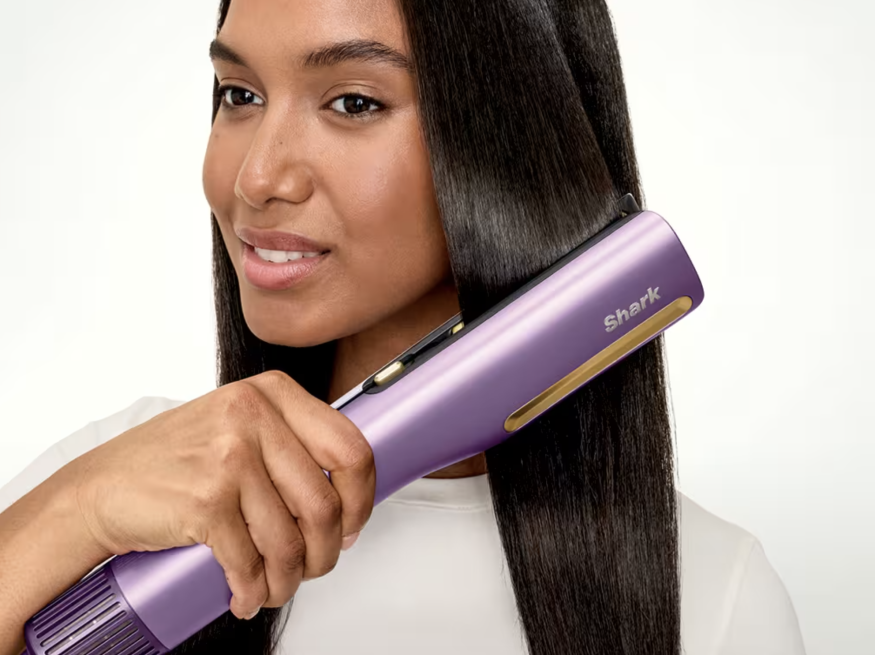
Hot tools have become part of everyday styling, from sleek straight looks to soft waves and voluminous blowouts. With this rise in heat styling comes a growing focus on hair heat damage prevention. Many turn to a heat protectant spray as a quick fix, but not all products deliver the same results. Understanding how they work and how to use them properly can make a noticeable difference in hair health over time.
What Heat Damage Really Does to Hair
Heat styling affects the outer layer of the hair known as the cuticle. When exposed to high temperatures, this layer can lift or crack, leaving strands vulnerable.
Common signs of heat damage include:
- Dry, rough texture that feels brittle to the touch
- Split ends that worsen with continued styling
- Lack of shine and elasticity
- Increased breakage during brushing or styling
Since damaged hair cannot fully repair itself, hair heat damage prevention becomes the focus for maintaining smooth and manageable strands.
How Heat Protectant Spray Works
A heat protectant spray is designed to create a barrier between the hair and styling tools. This barrier helps distribute heat more evenly and reduces direct stress on the hair shaft.
Most formulas work by:
- Coating the hair with lightweight protective agents
- Locking in moisture to prevent excessive dryness
- Smoothing the cuticle to reduce friction
It is important to note that even the best heat protectants do not make hair immune to damage. They help reduce the impact, but proper styling habits still matter.
Do Heat Protectants Actually Prevent Damage?
This is one of the most searched questions, and the answer is nuanced. Heat protectants do support hair heat damage prevention, but they are not a complete shield.
They can:
- Reduce moisture loss during styling
- Minimize surface damage
- Improve overall hair texture after heat use
However, extremely high temperatures or repeated styling without care can still lead to damage over time.
Types of Heat Protectants and When to Use Them
Choosing the right product depends on hair type and styling routine. Different formats offer different benefits.
- SpraysIdeal for fine or thin hair. A heat protectant spray provides lightweight coverage without weighing strands down.
- CreamsBetter suited for thicker or coarse hair. These offer added hydration and control.
- OilsOften used for finishing, they add shine while offering mild protection during low heat styling.
Using the right format ensures better coverage and supports effective hair heat damage prevention.
What Makes the Best Heat Protectants Stand Out
Not all products labeled as protective perform equally. The best heat protectants tend to combine multiple benefits into one formula.
Look for features such as:
- Even distribution that coats every strand
- A lightweight finish that does not leave residue
- Added conditioning properties for softness
- Compatibility with different heat tools
These qualities help ensure that the product enhances both protection and styling results.
Key Ingredients That Support Hair Heat Damage Prevention
Ingredients play a major role in how effective a product is. Many best heat protectants include a mix of protective and nourishing elements.
Common ingredients include:
- Silicones that smooth and coat the hair
- Proteins that support strength and structure
- Natural oils that help retain moisture
- Conditioning agents that reduce tangling and friction
A balanced formula supports hair heat damage prevention while improving the overall feel of the hair.
How to Use Heat Protectant Spray for Best Results
Even the best product will fall short if applied incorrectly. Proper technique ensures that each strand receives protection.
Follow these steps:
- Apply to damp hair before blow drying for full coverage
- Use a light, even mist from mid lengths to ends
- Comb through to distribute the product evenly
- Reapply lightly before using flat irons or curling tools on dry hair
Avoid applying too little product, as uneven coverage can leave sections exposed to heat.

Can You Use Heat Protectant on Dry Hair?
Yes, but it depends on the product. Many modern formulas are designed for both damp and dry use.
For dry hair:
- Use a lightweight spray that does not leave buildup
- Apply sparingly to avoid a greasy finish
- Focus on areas that will be exposed to direct heat
This step is especially useful for touch ups and restyling throughout the day.
Why Heat Settings Still Matter
A heat protectant spray supports hair heat damage prevention, but it should not replace mindful styling. High heat can still weaken hair over time.
Lowering tool temperatures can:
- Reduce stress on the hair cuticle
- Help maintain natural moisture
- Extend the longevity of styles without excessive damage
Combining moderate heat with the best heat protectants creates a more balanced approach.
How Often Should Heat Protectant Be Used?
Consistency is key when it comes to hair heat damage prevention. Heat protectant should be used every time heat styling tools are applied.
Skipping application even once can expose hair to unnecessary stress. Building the habit ensures long term benefits and healthier looking strands.
Building a Routine That Prevents Heat Damage
A strong routine goes beyond a single product. Combining habits and treatments can improve overall results.
Consider adding:
- Regular trims to manage split ends
- Deep conditioning treatments for hydration
- Occasional breaks from heat styling
- Gentle brushing techniques to reduce breakage
These steps work alongside a heat protectant spray to support lasting hair health.
What Actually Helps Protect Hair From Heat Long Term
The conversation around best heat protectants often focuses on products, but long term results come from consistency and technique. Using a reliable heat protectant spray, lowering heat settings, and maintaining a balanced routine all contribute to effective hair heat damage prevention. Small adjustments in daily habits can make styling safer while keeping hair smooth, shiny, and easier to manage.
Frequently Asked Questions
1. Do heat protectants really stop damage?
They help reduce damage but do not completely prevent it. They work best when combined with lower heat settings and proper styling habits.
2. What temperature is safest for hair when using a heat protectant spray?
Moderate heat settings are generally safer. Extremely high temperatures can still cause damage even with protection.
3. Can you use too much heat protectant spray?
Yes. Overuse can lead to buildup, making hair feel heavy or greasy. Even application is more effective than excessive use.
4. Are natural oils enough for hair heat damage prevention?
Some oils offer mild protection, but they are not as effective as formulas specifically designed as heat protectants.