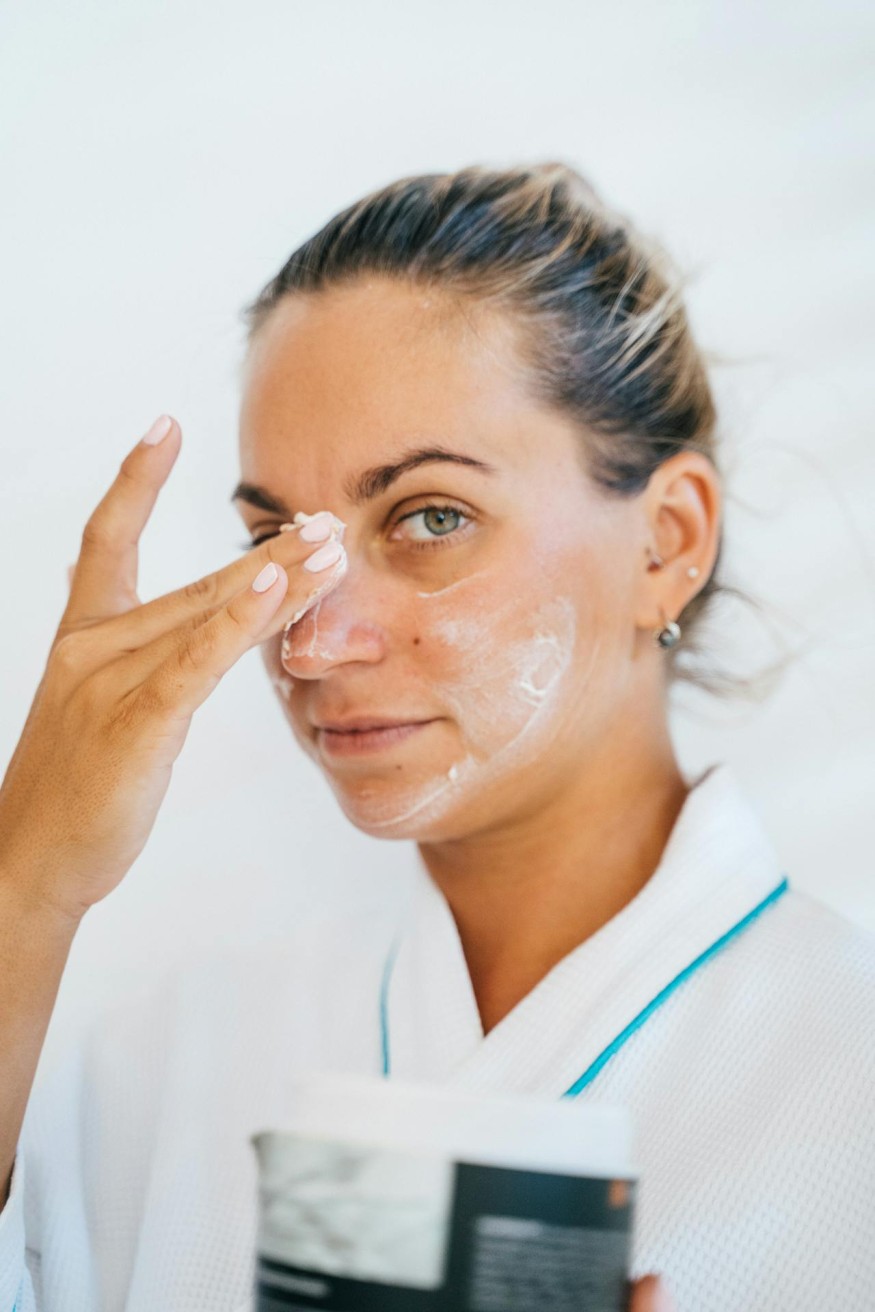
Healthy-looking skin is not built on treatments alone. It depends on the condition of the skin barrier, the outermost layer that controls what enters the skin and what stays inside. When this barrier is strong, skin holds moisture, tolerates active ingredients, and appears balanced. When it is weakened, even the most expensive products can trigger irritation or fail to deliver results. This is why skin barrier repair is often the first step toward improving any skincare routine.
What the Skin Barrier Does and Why It Matters
The skin barrier sits on the surface of the epidermis and functions like a protective wall. It is made up of skin cells and lipids that work together to retain water and block external irritants.
A healthy barrier helps the skin:
- Maintain hydration and prevent water loss
- Defend against bacteria, pollution, and allergens
- Tolerate active ingredients without excessive irritation
- Support smooth texture and even tone
When the barrier weakens, these functions break down. Moisture escapes more easily, and irritants penetrate faster, leading to sensitivity and inflammation.
What Causes a Compromised Skin Barrier
A compromised skin barrier is usually the result of repeated stress rather than a single mistake. Modern skincare habits often contribute without people realizing it.
Common causes include:
- Over-exfoliation with acids or scrubs
- Using multiple strong actives in one skincare routine
- Harsh cleansers that strip natural oils
- Environmental factors like sun exposure, dry air, and pollution
Frequent product switching can also prevent the barrier from stabilizing. Skin needs consistency to recover.
Signs the Skin Barrier Is Damaged
Barrier damage often looks different from traditional skin concerns, which makes it easy to misinterpret. Instead of clear breakouts or visible dryness, symptoms may feel uncomfortable before they look severe.
Typical signs include:
- Stinging or burning when applying products
- Tightness even after moisturizing
- Redness that lingers
- Increased breakouts or rough patches
These symptoms suggest that the skin is reacting defensively. Continuing to layer active treatments usually makes the issue worse rather than better.
Why Skin Barrier Repair Comes Before Treatments
Active ingredients rely on a functioning barrier to work properly. When the barrier is damaged, actives can penetrate too deeply or unevenly, increasing irritation and reducing effectiveness.
Focusing on skin barrier repair first allows the skin to:
- Regain tolerance to treatments
- Respond more predictably to active ingredients
- Reduce inflammation that interferes with results
This approach explains why some people experience better outcomes with fewer products. A stable barrier improves how the skin uses what is applied to it.
How Skin Barrier Repair Works
Repairing the barrier involves restoring lost lipids and supporting natural renewal. This process is gradual and depends on reducing stress while supplying the skin with supportive ingredients.
Key components of barrier repair include:
- Ceramides and fatty acids to reinforce lipid structure
- Humectants that attract and hold moisture
- Gentle formulations that minimize irritation
During this phase, exfoliation and high-strength actives are usually reduced or paused. This gives the skin time to rebuild without constant disruption.
Building a Barrier-Focused Skincare Routine
A barrier-friendly skincare routine emphasizes simplicity and consistency. Fewer steps often lead to better outcomes when the barrier is compromised.
A basic routine may include:
- A mild cleanser that does not foam aggressively
- A hydrating product with barrier-supporting ingredients
- A moisturizer that seals in moisture
- Daily sun protection to prevent further damage
As the skin stabilizes, active ingredients can be reintroduced slowly. This helps prevent relapse and allows the barrier to adapt over time.
Can Oily or Acne-Prone Skin Have Barrier Damage
Barrier damage is not limited to dry or sensitive skin types. Oily and acne-prone skin can also have a compromised skin barrier, especially when oil control is overemphasized.
Stripping the skin of oil can trigger increased sebum production and inflammation. This cycle often worsens breakouts rather than improving them. Supporting the barrier helps regulate oil production and reduces reactive acne.
How Long Skin Barrier Repair Takes
Recovery time varies depending on severity and habits. Mild damage may improve within a few weeks, while long-term disruption can take months.
Factors that influence recovery include:
- How long the barrier has been compromised
- Environmental exposure
- Consistency of the skincare routine
Patience is important. Frequent changes or aggressive treatments can slow progress.
Skin Barrier Repair and Long-Term Skin Health
Once repaired, the barrier becomes easier to maintain. Skin that has recovered often appears calmer, more hydrated, and more resilient to stress.
Barrier-first skincare shifts the focus from constant correction to long-term stability. This mindset helps prevent recurring irritation and supports healthier skin over time.
Why a Strong Skin Barrier Sets the Foundation for Better Skin
Skin improvements last longer when the barrier is respected. By prioritizing skin barrier repair, the skin becomes more responsive, balanced, and resilient. Instead of chasing quick fixes, focusing on barrier health creates conditions where any skincare routine can perform more effectively.
Frequently Asked Questions
1. What is the fastest way to repair a compromised skin barrier?
Reducing irritation is the fastest approach. This includes simplifying the skincare routine, avoiding exfoliation, and using products designed to support barrier lipids and hydration.
2. Should active ingredients be stopped during skin barrier repair?
In many cases, yes. Pausing strong actives allows the skin to recover. Once symptoms improve, actives can be reintroduced gradually.
3. Can a damaged skin barrier cause breakouts?
Yes. A compromised skin barrier can increase inflammation and disrupt oil regulation, which may lead to breakouts even in oily skin types.
4. How can barrier damage be prevented in the future?
Consistency, gentle formulations, and sun protection are key. Avoiding overuse of actives and maintaining a balanced skincare routine helps keep the barrier stable.